Museums are one of my favorite things to explore when visiting a new city or town. They’re like meditation for me. I can enjoy them perfectly fine by myself and walk out of the building feeling fulfilled.
I’ve visited museums across several countries during my travels, but a select few have really made an impression on me and even changed the way I think. From art and ancient civilizations to war and modern history, these are six museums around the world that I found especially memorable and think are worth visiting.
War Remnants Museum – Ho Chi Minh City, Vietnam
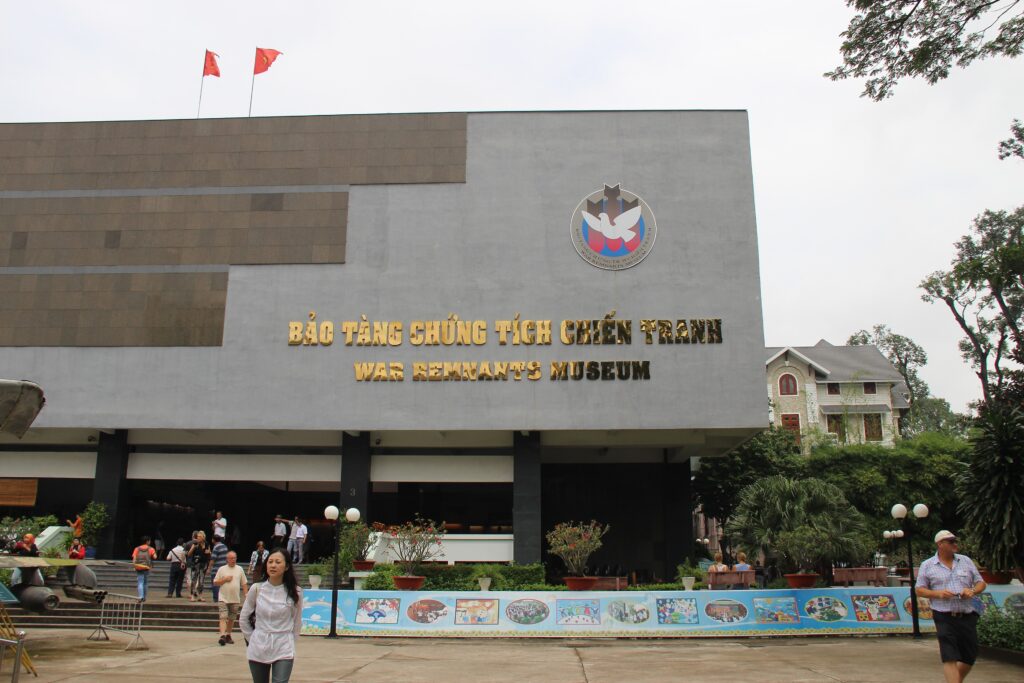
I was blown away by the raw and human perspective presented by the War Remnants Museum. Detailing the atrocities and consequences of the Vietnam War, the immense reality of death and destruction is right in your face.
Seeing the photographs documenting victims of Agent Orange and learning about its lasting effects really struck me. Toward the end of my visit, I saw those effects firsthand while watching a young boy with severe disabilities playing the piano. At that moment, I felt the devastation of war.
The photojournalism here is worth the visit in itself, but the museum also does an excellent job of showcasing global opposition to the Vietnam War through protests and anti-war movements around the world.
From reconstructed prison cells to military equipment and photography, the War Remnants Museum will always be etched in my memory. Most of us experience the history of war through books, television, or movies. Encountering its consequences in a museum like this can provide an entirely different perspective.
Botero Museum – Bogotá, Colombia
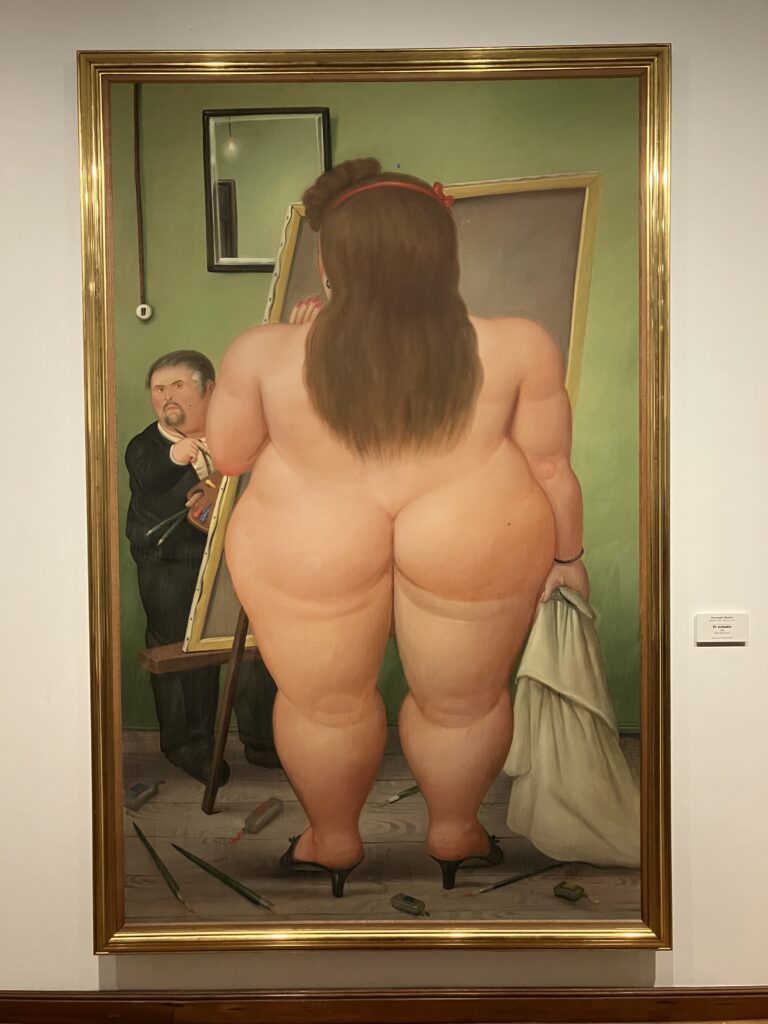
Fernando Botero is one of my favorite artists of all time. The guy was a genius and a true machine.
Famous for his distinct style and exaggerated volumes of people, animals, and objects, Botero became one of Colombia’s most internationally recognizable artists.
Museo Botero blew my mind because it made me realize the level of difficulty that comes with developing your own artistic style and then translating it across different mediums. I really began to grasp what artistry can mean.
Rooms upon rooms of your work being displayed for free to the public is legendary.
I was first introduced to Botero’s sculptures in Medellín at the popular Plaza Botero. That’s where I became a big fan. When I later saw his paintings at Museo Botero in Bogotá, I became mesmerized.
The galleries seemed to be grouped together by subject matter, which I liked. The museum also contains works by internationally renowned artists including Picasso, Monet, and Dalí from Botero’s personal collection, which he donated alongside his own work. If you’re planning a longer trip through the country, check out some of my other favorite things to do in Colombia.
National Museum of Anthropology – Mexico City, Mexico
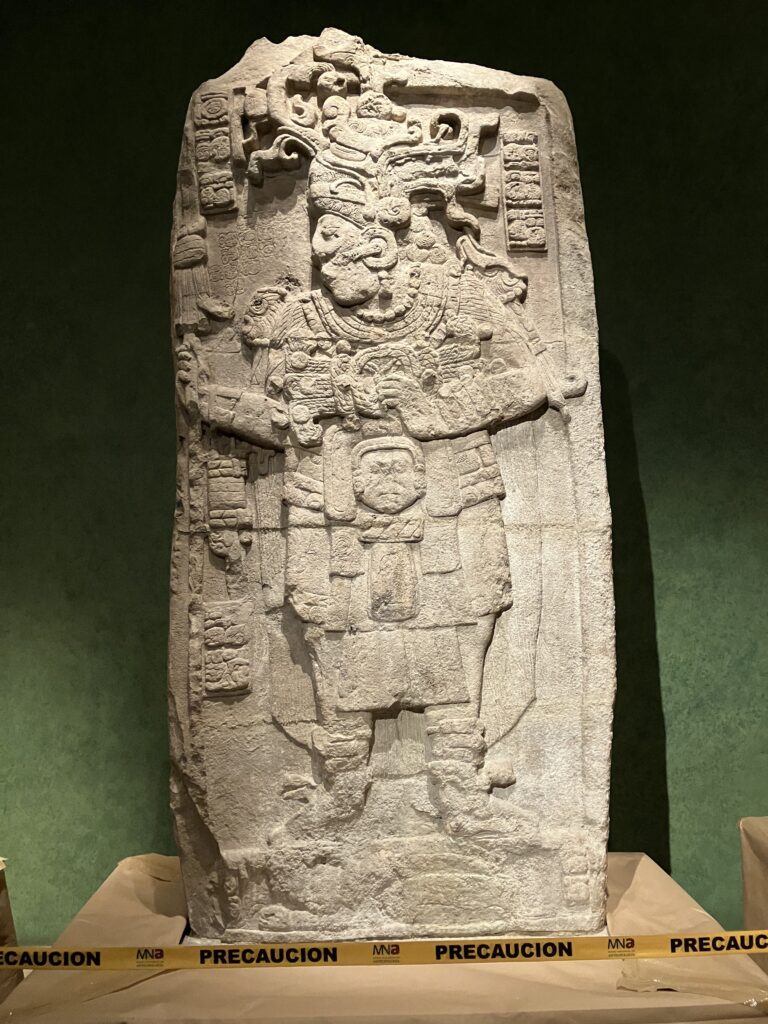
This place is absolutely enormous.
You can easily spend several hours here if you want to tour the entire National Museum of Anthropology. If I were to detail the amount of information and artifacts on display, this blog post would be 30 pages long.
The sheer volume of content impacted me strongly, and I left with a new appreciation for human history in general.
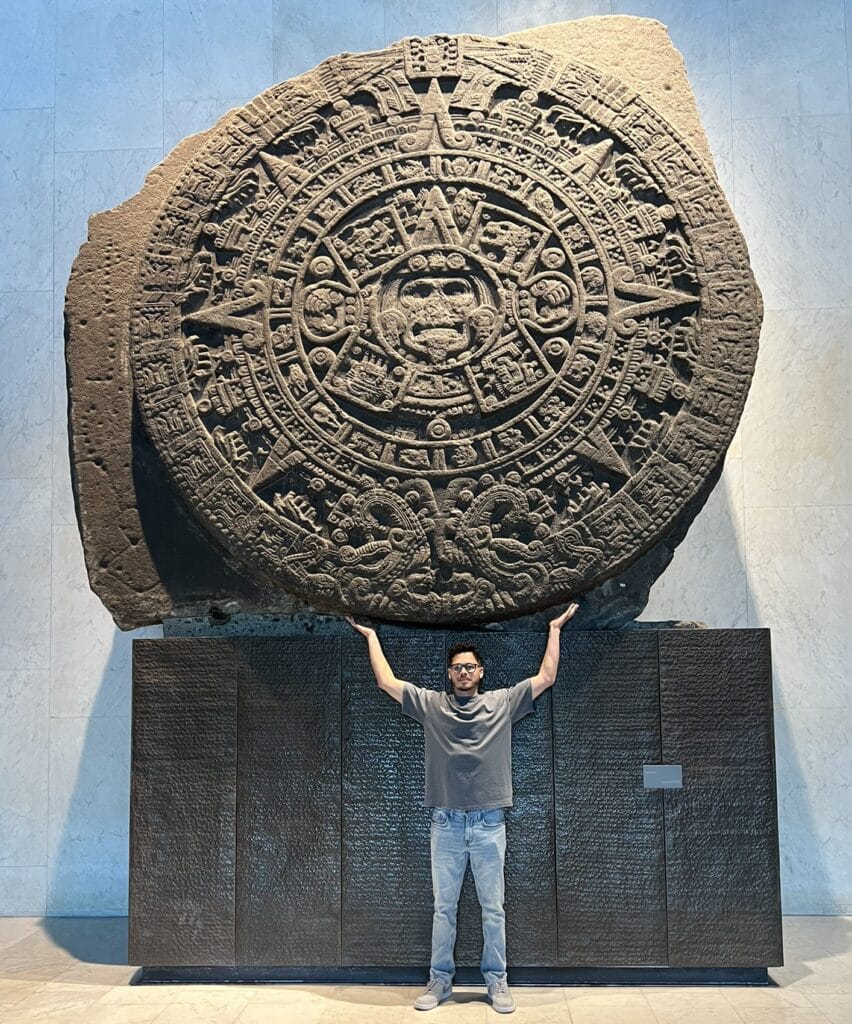
The museum explores cultures and civilizations including the Mexica, Maya, Teotihuacan, Oaxaca, Gulf Coast cultures, and many others. Across its massive exhibits, you’ll come across monumental stone sculptures—including the famous Sun Stone—along with artifacts, tomb replicas, archaeological displays, art, clothing, weaponry, and an enormous amount of information about Mexico’s Indigenous civilizations and cultural history.
If you visit, take your time and don’t rush.
Sometimes, in a place with so much stimulation, you can become desensitized after a while. I recommend hanging out in the central courtyard if you need a break before continuing through the galleries.
The cultural significance of what’s inside is immense. It’s probably the most “important” museum I’ve ever visited, if I’m being completely honest.
La Chascona – Santiago, Chile
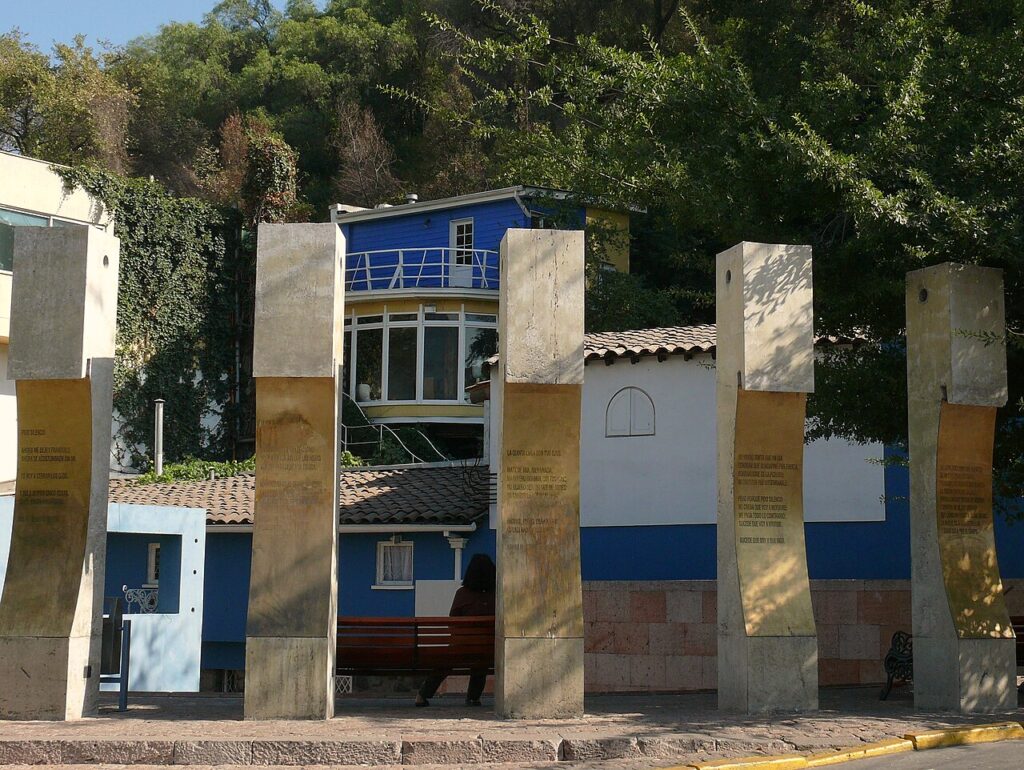
La Chascona, the former home of Chilean poet Pablo Neruda, is now a museum dedicated to his life and work.
The home itself is fascinating. There are intimate rooms filled with Neruda’s belongings and collections, unusual architectural details, outdoor spaces, and plenty of stairs connecting different sections of the property on the steep hillside in Santiago’s Bellavista neighborhood.
The colorful and stylish home felt beautifully retro, eclectic, and comfortable.
I wish it were my house—that’s how good its taste was.
That’s kind of how I felt being there. This guy was like a rock star.
I was inspired.
Walking through La Chascona gives you a glimpse into Neruda’s personality, collections, relationships, and creative life. The museum experience provides historical context and personal stories while you’re actually navigating the spaces where he lived.
I enjoy going to places and feeling like I’m walking through a movie scene. Pablo Neruda lived an incredible life, and La Chascona preserves a fascinating piece of it. Santiago was a very different side of Chile from the landscapes I later experienced while traveling through Elqui Valley.
Art in Paradise – Chiang Mai, Thailand
Art in Paradise is an interactive 3D art museum that allows visitors to place themselves inside optical-illusion artwork and pose in different positions to become part of fantastically surreal scenes.
It’s super fun and creative having the opportunity to enter magical landscapes, underwater worlds, dangerous predicaments, and other scenes while becoming a character in the artwork yourself.
It’s crazy to think that these pieces were created with the idea that an impermanent person would enter the painting and give it another dimension of personality.
What a cool concept.
For a guy like me who appreciates art, I was really impressed here. I was also able to have photos taken of me without feeling like I was doing it for attention, but rather as part of something creative. For any introvert or non-selfie person, it’s a cool place to enjoy a photoshoot.
Art in Paradise was just one of the things that made Chiang Mai one of my favorite cities during my travels.
The National WWII Museum – New Orleans, Louisiana
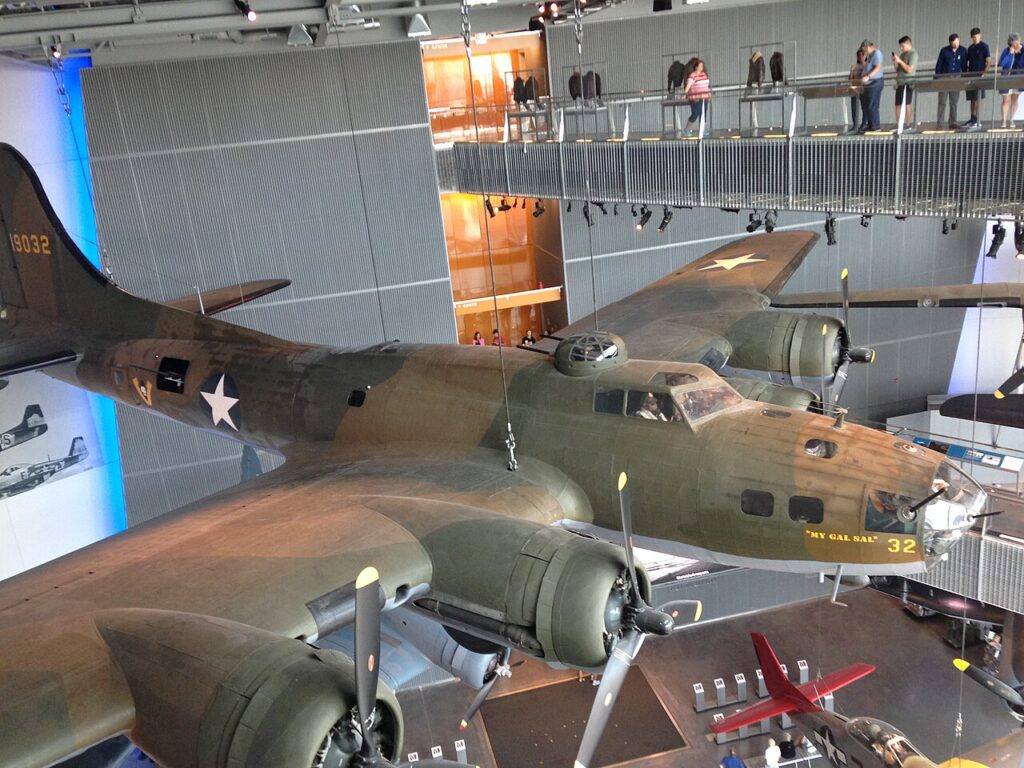
The National WWII Museum in New Orleans is another place where the sheer size and amount of history on display really stood out to me.
World War II was such an enormous international event that it’s sometimes difficult to comprehend its scale. Countries around the world were pulled into the conflict, millions of people lost their lives, and the consequences reshaped global history.
The museum does a great job of putting that scale into perspective. Its exhibits explore the events that led to the war, the experiences of soldiers and civilians, the European and Pacific theaters, D-Day, and life on the American Home Front.
What I remember most, though, was the military equipment.
There were tanks, artillery, vehicles, and actual aircraft throughout the museum. Walking through the Boeing Center and looking down at WWII-era planes suspended in the enormous space was particularly memorable. Seeing these machines in person gave the history a physical scale that’s difficult to get from simply reading about the war.
The National WWII Museum is huge, informative, and immersive. Even if you already know a decent amount about World War II, seeing so much of that history collected in one place makes the magnitude of the conflict hit differently.
Museo Casa de la Memoria – Medellín, Colombia
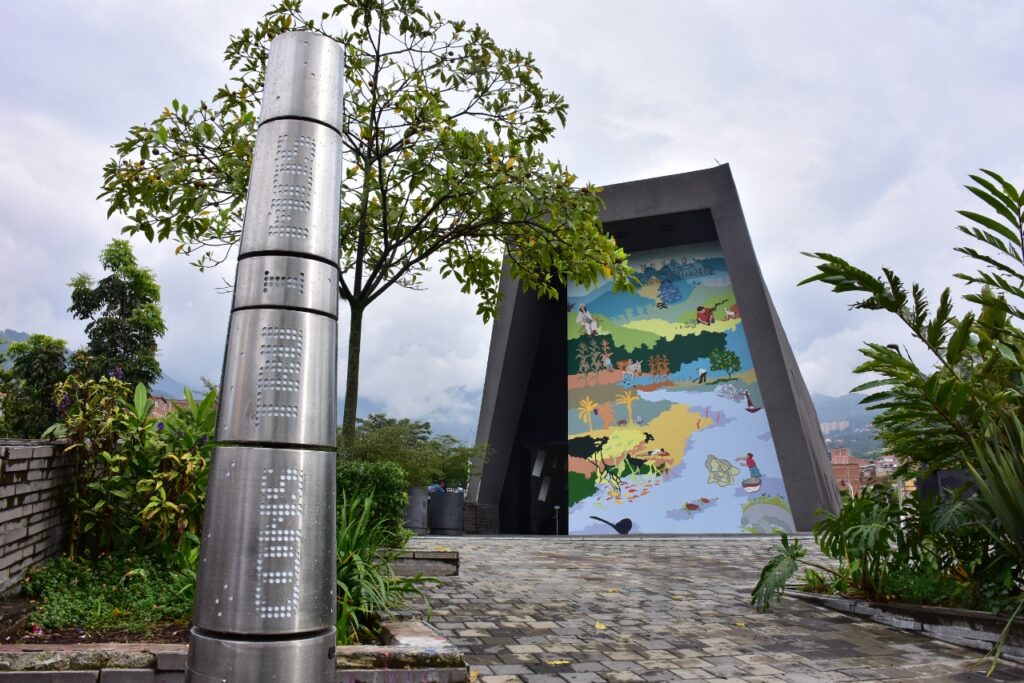
This is the second Colombian museum on my list.
One thing about Colombian culture that I’ve noticed during my time spent there is its commitment to quality. Museo Casa de la Memoria in Medellín is a deeply serious and reflective institution dedicated to confronting and preserving memories surrounding the violent history of Medellín, Antioquia, and Colombia.
The museum uses different forms of storytelling, including testimonies, photographs, documents, audiovisual media, newspaper coverage, and personal objects.
The murder statistics alone were outrageous.
What stood out to me even more—and kind of hit me like a ton of bricks—was the number of kidnappings and disappearances.
There was a dark room with a bunch of small screens on which photographs of people would appear alongside their names and information about their disappearances. I thought about their families never seeing them again and wondering what might have happened to them.
I left the museum pondering everything I had seen, but also thinking about how dramatically Medellín has changed from some of the darkest periods of its history.
That’s what the best museums can do.
They don’t just give you something to look at. Sometimes they completely change how you understand a place. Another place where that complicated history and Medellín’s transformation become part of the experience is Comuna 13.