Why Visit Elqui Valley, Chile?
Valle del Elqui is the home of sparkling stars, vineyards, and pisco distilleries. Four of my five weeks in Chile were spent in this mystical, desert-like region, perfect for wandering hippies and located roughly 500 kilometers north of Santiago.
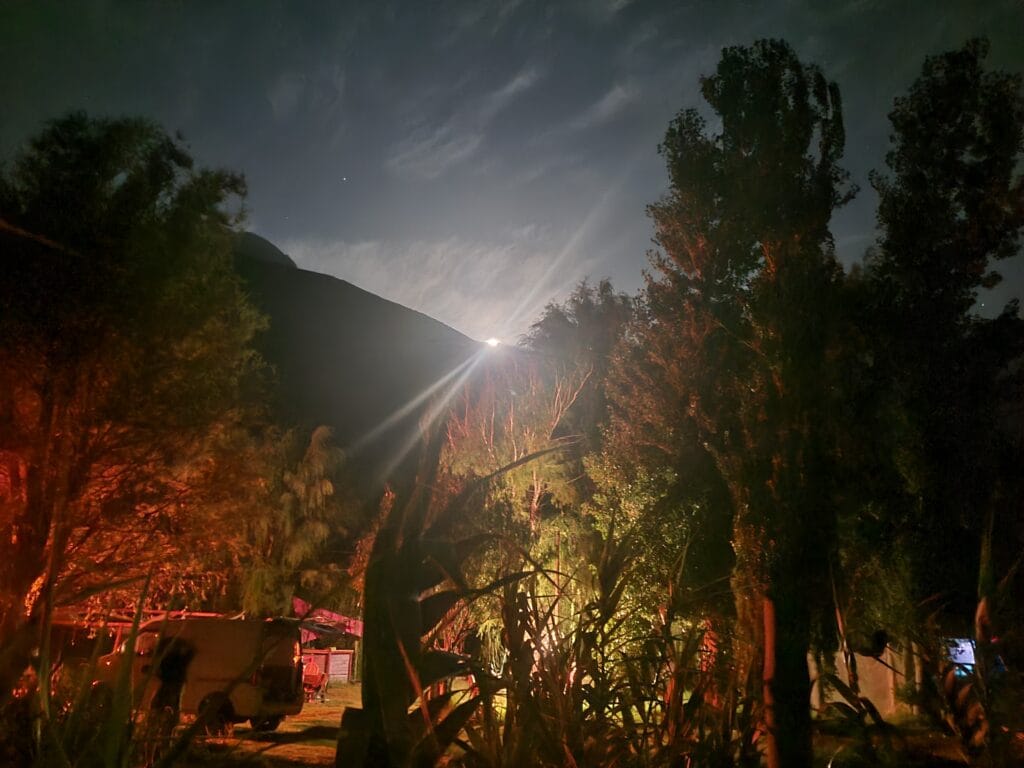
The valley runs along the Elqui River, sprinkled with vineyards and small towns surrounded by an arid landscape. More than 300 clear nights per year make way for blue skies that illuminate rocky cliffs, a green valley, and running waters. When the light turns to darkness, the night sky provides a backdrop for a spectacle of beautiful stars.
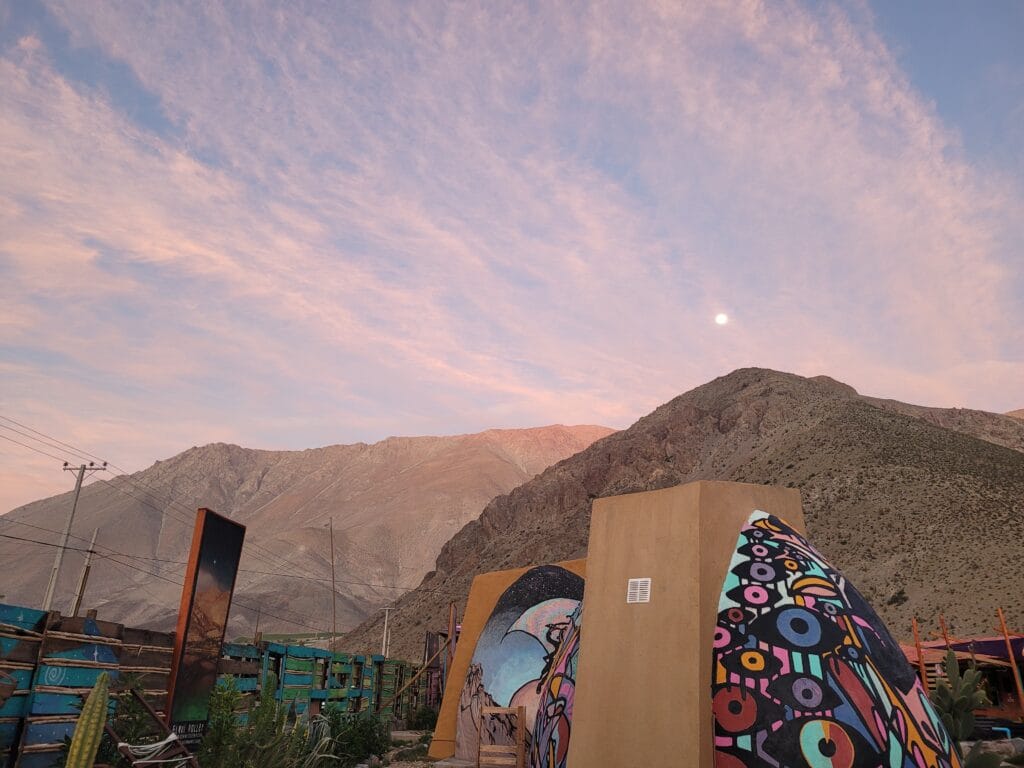
The remoteness allowed me to take a step back and slow down after a hectic backpacking schedule. I spent a month volunteering here at a really cool hostel called Cosmo Elqui (which may or may not be open when you read this), and I’m thankful for the great memories and friendships I made.
I was searching for something unique, and I found it. Sometimes you need to get away from the popular backpacker routes and stay put in the middle of nowhere.
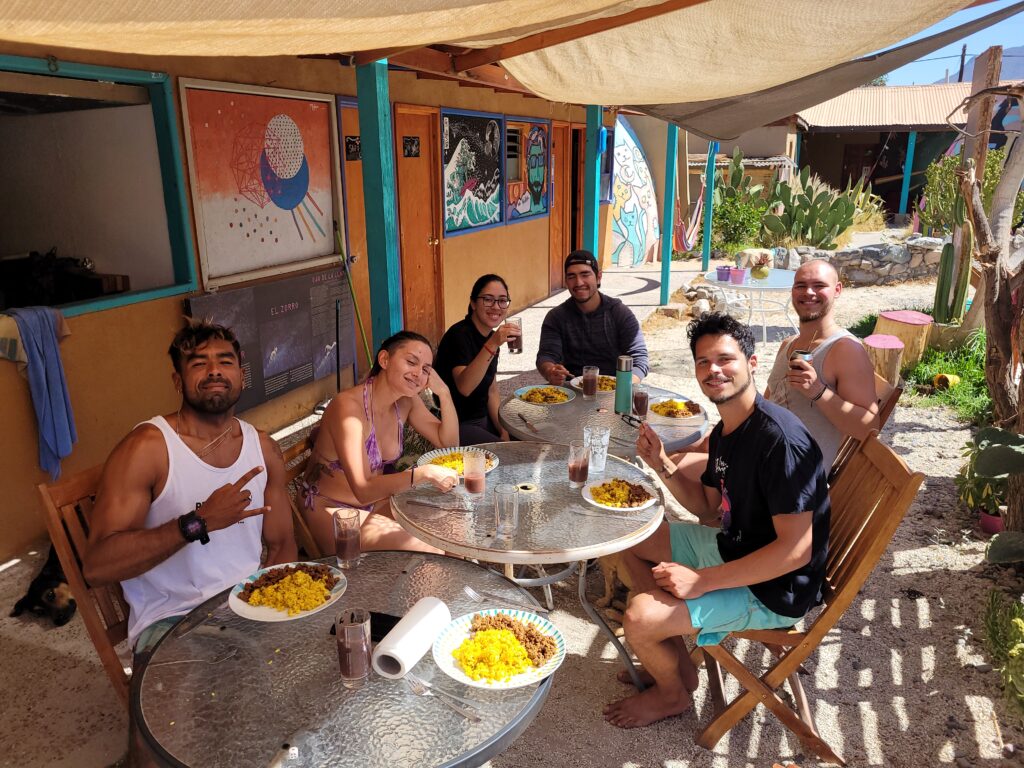
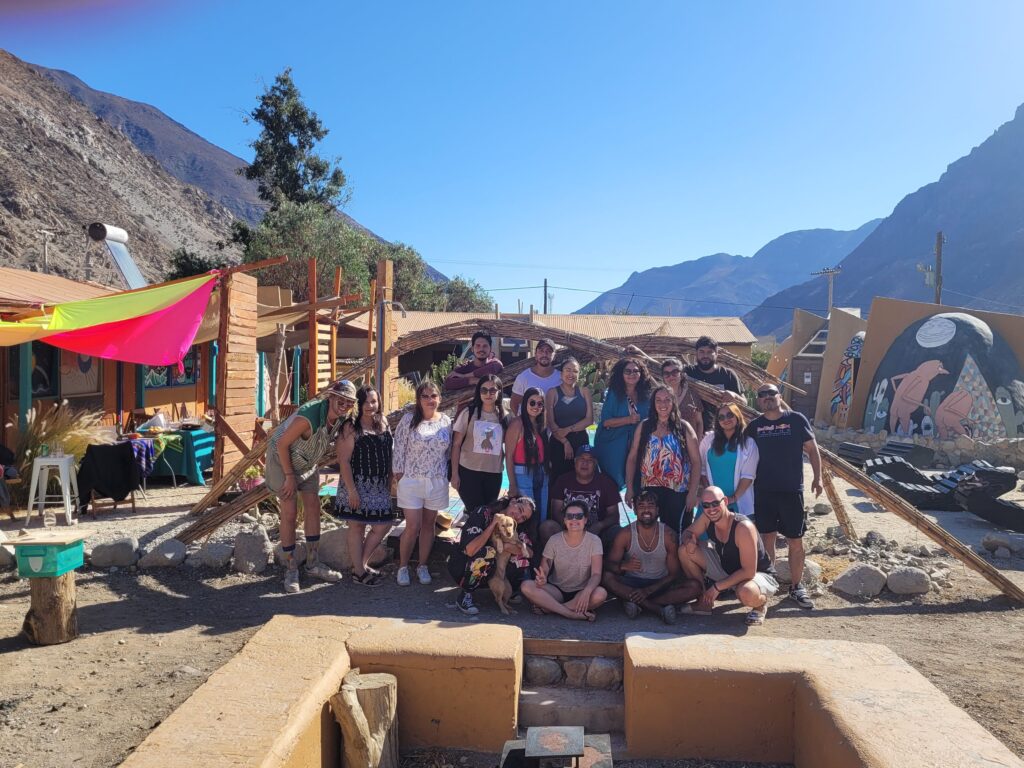
I arrived in late February, toward the end of high season and the beginning of autumn, and enjoyed the crisp weather at night. During the summer months, from December through February, the valley is livelier as Chileans travel during their summer vacation period. Check to see what events or festivals may be happening in the area during the season you plan to visit.
How I Got to Elqui Valley
Coming from Santiago, it wasn’t difficult getting to Vicuña, one of the main towns in the Elqui Valley. I took a bus from Terminal San Borja in Santiago to La Serena, a coastal city and one of the main gateways to the Elqui Valley.
The bus ride from Santiago took roughly six hours and was fairly cheap—between $10–20 USD when I traveled in 2025.

From the terminal in La Serena, I took a colectivo to Vicuña. The ride took around 90 minutes, give or take. Overall, it was pretty straightforward.
I recommend taking an early bus from Santiago in case you’d like to explore La Serena for a bit. Maybe you’d even like to spend a night there. There’s a large market that I personally enjoyed.
Stargazing in Elqui Valley
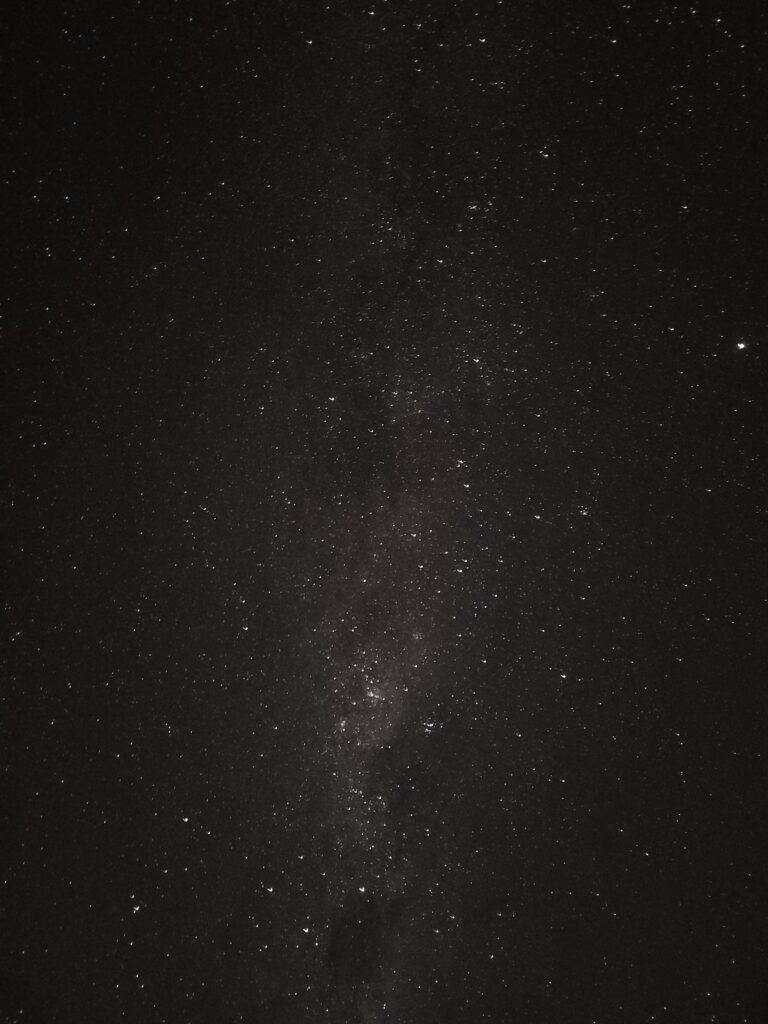
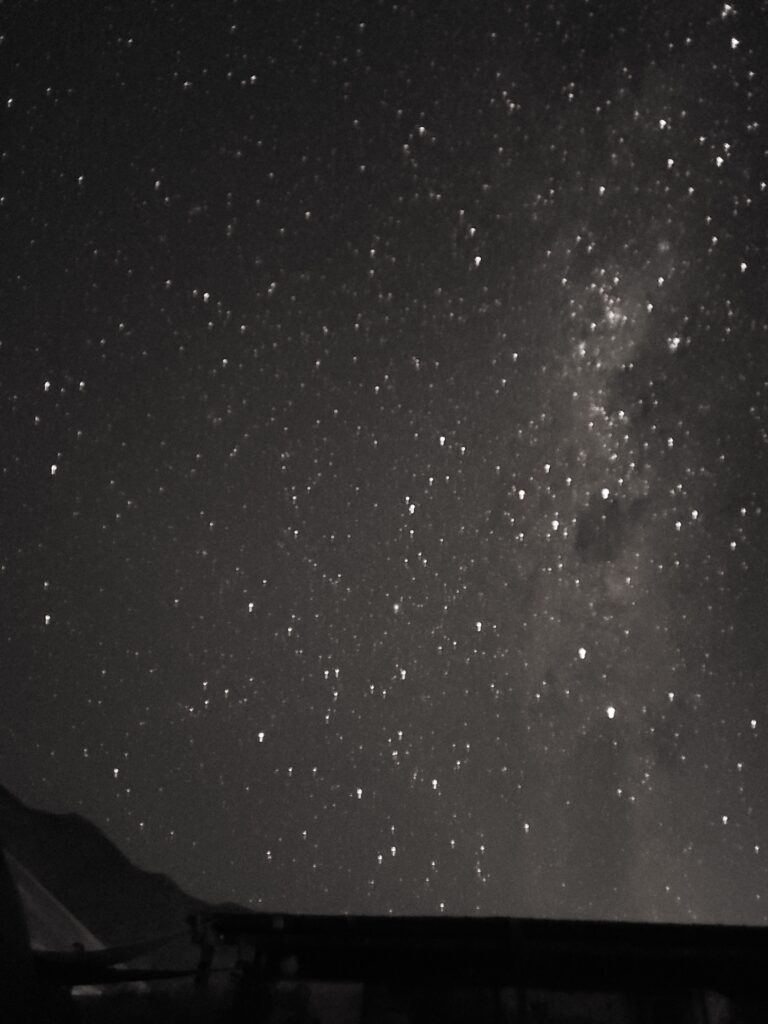
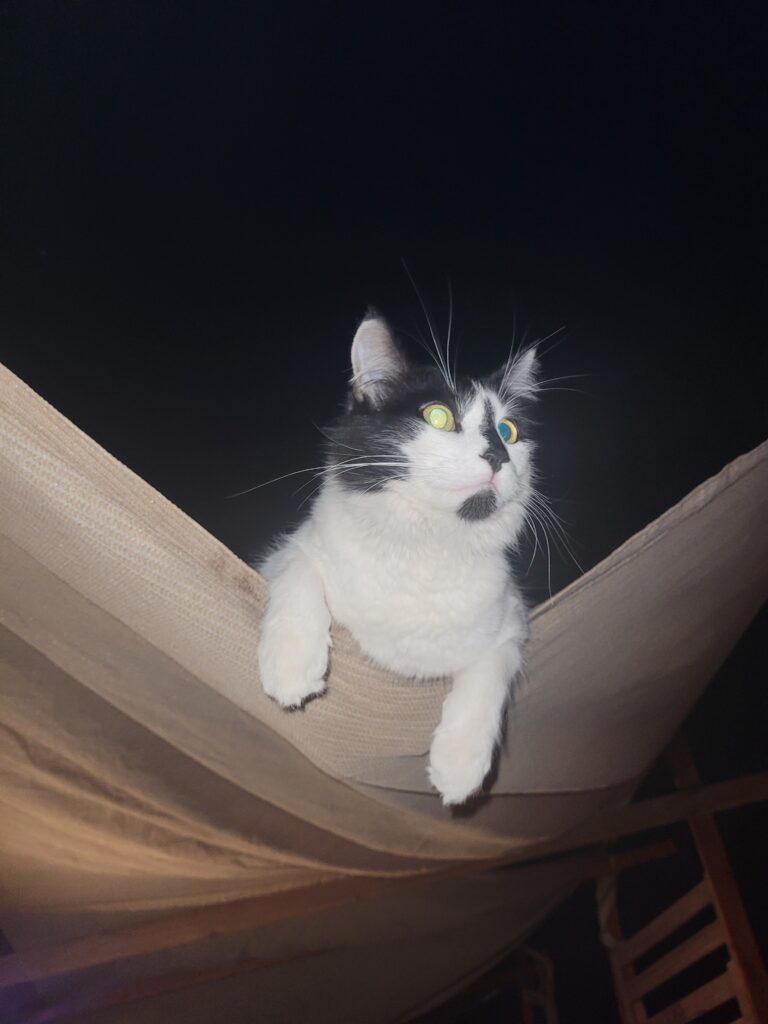
The #1 thing to do here is stargaze late into the night. Elqui Valley is renowned for its exceptionally clear skies and has become one of Chile’s major destinations for astronomy and astrotourism.
I did most of my stargazing at my hostel—no telescopes, just my eyes. Sometimes I’d even stay up until 2–3 AM just staring at the night sky. Certain hotels and other accommodations have telescopes and host private stargazing nights, so keep that in mind when searching for a place to stay.
In addition to my nightly viewing schedule, I had the great experience of joining a tour during which we visited a private observatory and were given a presentation under dark skies with very little ambient light pollution. I was so comfortable as we laid down and listened to the presenter that I even fell asleep for a few minutes. It’s so easy to do under the night sky.
Nonetheless, the tour was totally worth it. At the end, we took professional photos with all the stars behind us.
TIP – If possible, try to visit Elqui Valley around the new moon for darker skies. A bright full moon can make faint stars more difficult to see.

There are a variety of observatories and stargazing tours to choose from when visiting. Take your time selecting one that offers what you’re looking for. You’ll have more options if you speak Spanish, but tours in English are available as well.
The valley’s dry, desert-like climate creates excellent conditions for stargazing throughout much of the year. Don’t stop yourself from going during a particular season, though. I was there in March and still had plenty of beautiful nights, although I do recall a few cloudy ones when visibility wasn’t as great as usual.
That’s another reason I recommend staying here for a little while—to soak in the views and energy and give yourself multiple chances to experience a great night sky.
Visiting a Pisco Distillery
When I first tasted pisco, I described it as some sort of South American bourbon with a more sophisticated taste and a lighter aftertaste. If I had to compare it to something, that was the best I could do. I also found that I preferred the stronger varieties—the stronger the better if it comes from a high-quality producer.
For those who don’t know, pisco is a spirit distilled from fermented grape wine. In Chile, genuine pisco can only be produced within the designated pisco-producing regions of Coquimbo and Atacama. Elqui Valley lies within the Coquimbo Region, making pisco an important part of the area’s culture and identity.
Chile regulates the production of pisco, including where it can be produced and the grape varieties that can be used. Do some research and learn about pisco’s fascinating origins. After that, take a tour at one of the distilleries to learn about the production process from beginning to end, followed by a tasting of different varieties.
In my opinion, almost any tour relating to the production of something artisanal is worth it. From cacao and coffee to blankets, rugs, alcohol, sombreros, and regional food specialties, you usually can’t go wrong!
Horseback Riding in Elqui Valley
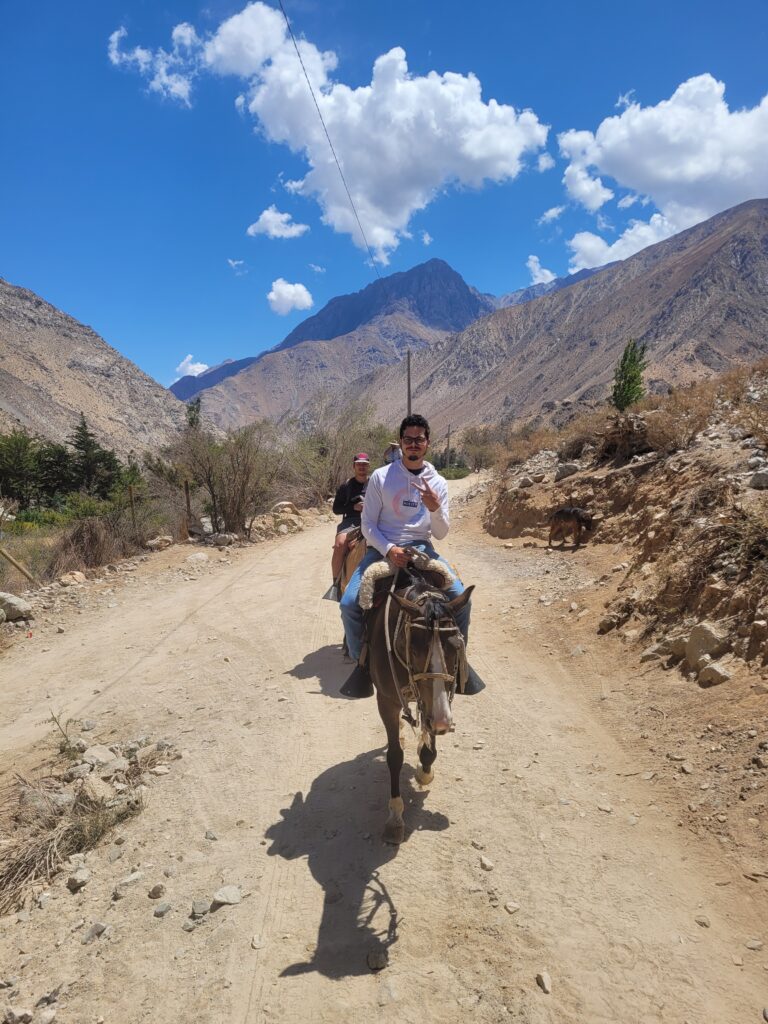
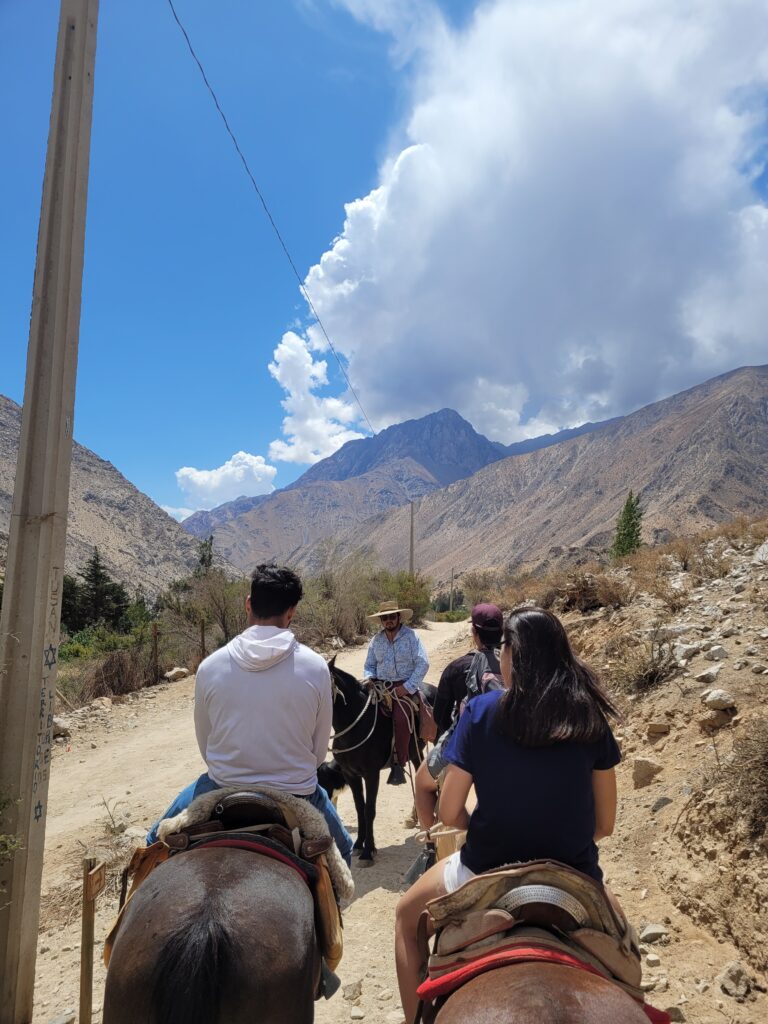
This was my first time horseback riding, and at first I could barely get on the horse! I must admit I was nervous, but after a little while, I felt really comfortable and enjoyed a nice stroll through the desert under the warm sun.
Usually, I end up renting a bicycle to traverse these kinds of landscapes. Riding a horse was a worthy alternative. It added another dimension to the experience of being in a new place.
It wasn’t like there were a bunch of other tour operators and tourists going down a specific trail, which was cool. It felt more like we were wandering through undiscovered terrain. I typically don’t partake in “animal tourism,” but in this case, I personally didn’t feel like I was involved in anything exploitative.
I was happy to do what we were doing and was thankful to our guide for his expertise and knowledge of the area. If you plan on spending a few days in the valley, consider a tour like this.
Exploring Elqui Valley
There are plenty of cool things to do in this mystical region of Chile if you have time to venture off the beaten path. This is for the long-term traveler who likes to get a taste of local tourism and has some extra time on their hands to make random discoveries.
You can find towns selling handmade crafts, short hikes with nice views, vineyards, natural pools, and chill people. My experience was more local, considering the fact that I was working and living like a normal person in a way.
If I did a hike, it was more off-script—just walking around the area, following the Elqui River, and running into a tiny forest and some natural pools with my friends from the hostel.
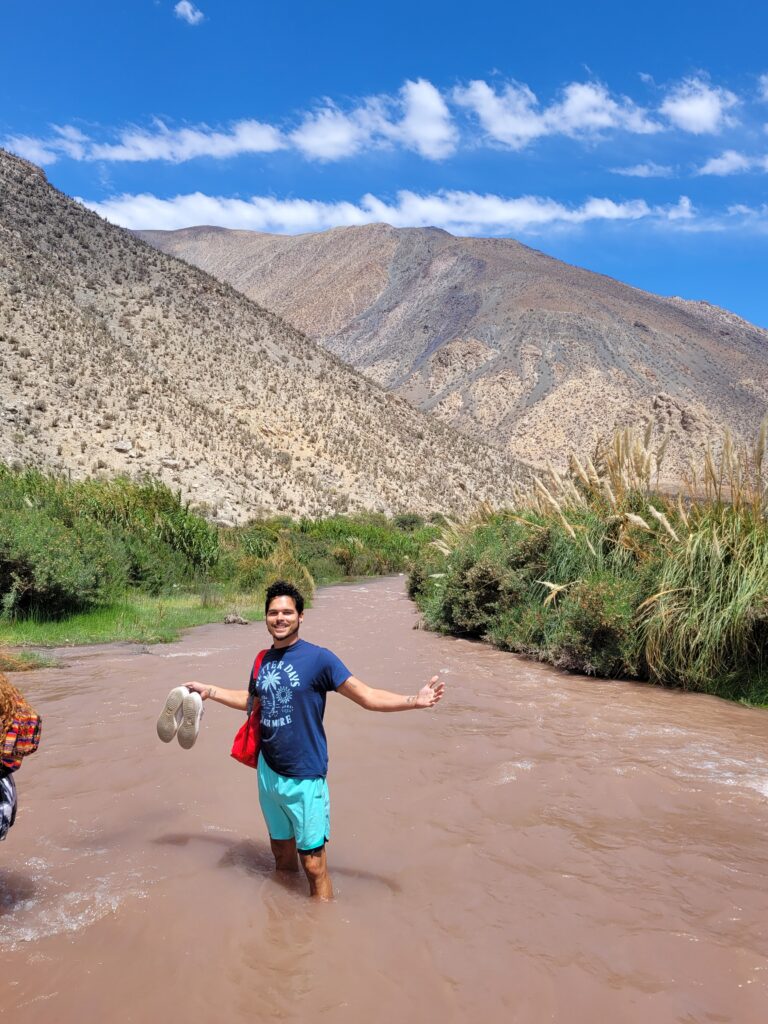
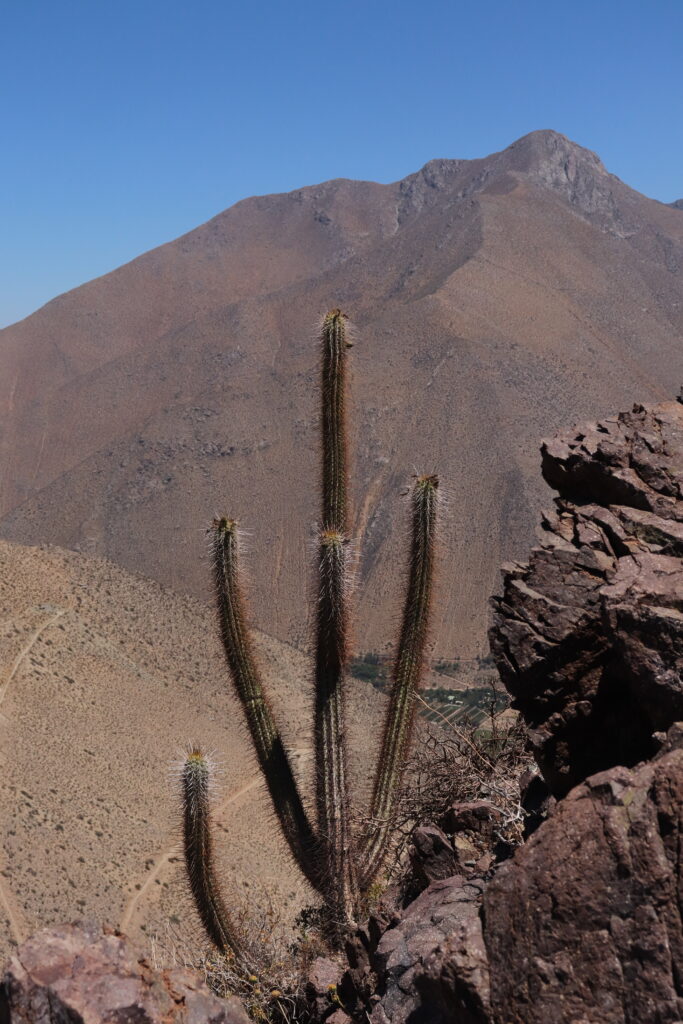
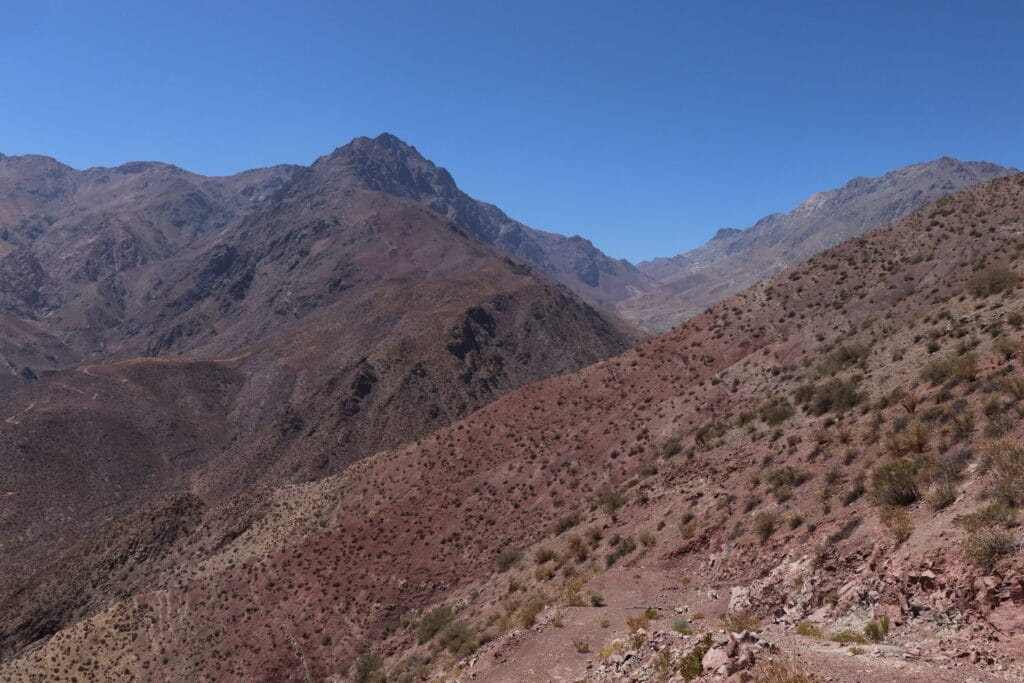
It was that kind of thing for me, so I can’t give you a traditional “things to do” blog. I can just relay the vibes.
It’s far from touristy in a foreigner sense and felt much more like a destination for Chilean travelers during my stay. That’s what made it great. Elqui Valley ended up being one of my favorite off-the-beaten-path experiences during my travels through the Americas.