What you’re going to read here is some insight into my life as a long-term traveler. I rarely get this personal with anyone other than my closest friends, but sometimes it’s cool to open up. Maybe you’ll find something relatable.
Traveling can be incredible for your heart and soul, but it doesn’t automatically make the problems you have at home disappear. Long-term travel can also mean constantly changing environments, meeting and saying goodbye to people, losing your normal routines, navigating unfamiliar places, and dealing with a level of stimulation that you might not experience at home.
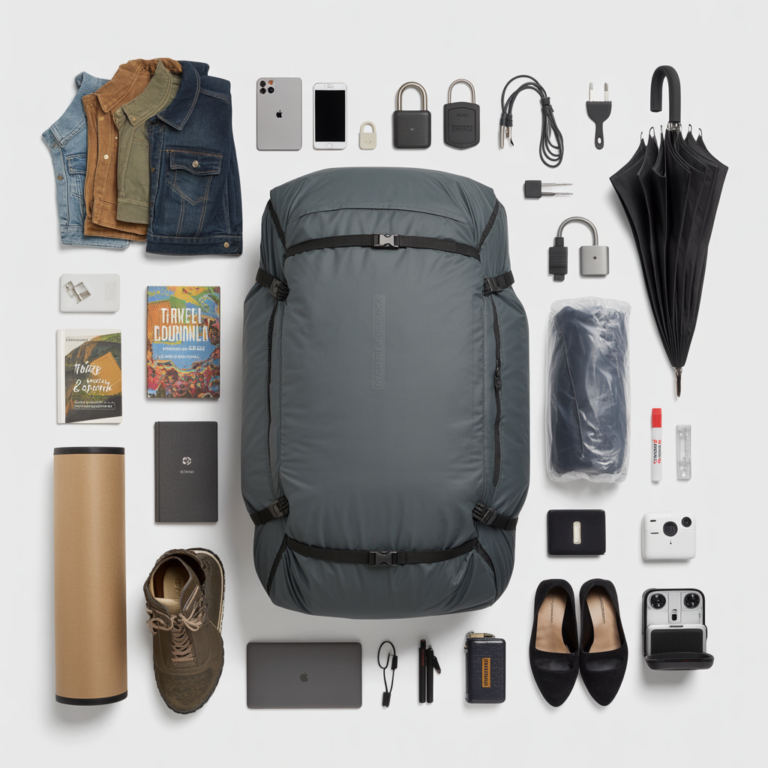
Preparing for a long trip also goes beyond what you carry in your backpack, although having the right things packed for long-term travel can definitely make life on the road easier. Eventually, I learned that I still had to take care of myself while experiencing everything I had traveled so far to see.
When Long-Term Travel Became Overwhelming
During February 2026, while traveling in Rio de Janeiro, Brazil, I was dealing with a fast-growing level of anxiety. I couldn’t handle my thoughts, couldn’t make sound decisions, and my insomnia was at an all-time high.
I was drinking alcohol more often, smoking a ton of cigarettes, and forcing a social battery to stay alive that was already dead. It was my life, but I felt out of it.
At some point, I felt like I had lost my mental stability after already losing a ton of belongings throughout my travels. The snowball effect of misfortune and intrusive thoughts culminated in an anxiety attack at a yacht party I was attending.
Everything just smacked me in the face. After that moment, I was pretty shook.
At that moment, I fled to a calm getaway called Serra Grande for month to center myself. I realized I needed to address two serious issues that, in my experience, had become directly connected: sleep deprivation and anxiety.
How Sleep Deprivation Was Affecting My Travels
Typically, after feeling really anxious, I don’t sleep. I just do more things to take my mind off the feeling.
I can’t simply let it go and go to bed. I feel like I have to resolve it or avenge whatever caused it. I’ll watch movies all night, write, go on social media, or stay out late alone or with friends—whatever it takes until the feeling leaves.
That’s how I’ve operated for much of my life: in a sleep deficit.
The effects of sleep deprivation aren’t limited to feeling tired. Lack of adequate sleep can interfere with memory, concentration, decision-making, emotional regulation, and the ability to cope with change—all things that become especially important when you’re constantly navigating unfamiliar environments.
I had known that lack of sleep could affect memory and concentration, but I had casually ignored it by being obsessively ambitious for new information and experiences. That kept me awake enough to be a functioning insomniac.
Then I started losing things.
Before I began this trip, I actually told myself I was going to make an effort not to lose anything.
I had a plan! Haha…
That plan didn’t work.
In less than three months, I managed to lose a debit card, two sets of Bluetooth headphones, my cell phone, clothes, sandals, towels, charging adapters, sunglasses, my U.S. SIM card, toiletries, and various other belongings.
I even lost two friendships.
I originally couldn’t understand how it kept happening. I thought I was prepared. Eventually, I began looking more seriously at how exhausted and mentally scattered I had become.
Throughout my life, I’ve worked on improving aspects of myself and breaking bad habits, but my insomnia was something I had irresponsibly ignored. Connecting my lack of sleep with some of the problems I was experiencing while traveling was something I had never seriously considered until then.
Why Travel Made It Harder
At home, I could get away with my lifestyle more easily because my life was predictable.
I would go to work and go home. I saved money to travel and lived frugally and completely sober. Even when I wasn’t sleeping enough, there wasn’t nearly as much going on around me.
Traveling completely flipped that lifestyle into one of spontaneity, excitement, changing environments, new people, and constant stimulation.
For me, it was a gift and a curse.
Travel can mean sleeping in unfamiliar places, figuring out transportation, meeting people constantly, navigating different languages and cultures, maintaining friendships back home, forming temporary friendships abroad, and then repeatedly saying goodbye to people you’ve just met.
International travel itself can be stressful, especially when you’re away from your normal support network and adapting to unfamiliar cultures, languages, and routines.
Recently, I felt like I was falling apart. I realized that certain behaviors I thought I had overcome were still barriers. To my further detriment, my brain felt like it had no battery left to deal with any of it.
What should have been an amazing life traveling the world had started producing a bunch of negatives: losing and forgetting things, mental fog and confusion, random antisocial behavior, hesitation, frustration, difficulty making decisions, low energy, holding myself back, and replaying negative memories.
Eventually, I started judging myself harder and questioning myself.
On the last day of this nightmare, I lost my phone and my second pair of headphones.
I put my foot down and said, never again.
The Changes I Made
My first solution was pretty simple:
Stop doing the things that were keeping me from sleeping.
Since sleep and anxiety seemed closely connected in my own life, I figured prioritizing sleep was a practical place to start.
I decided to quit cigarettes and alcohol for a while. Those two substances had become connected to my social and dating life and often contributed to me staying out late.
Alcohol was also facilitating my smoking, while drinking sometimes left me feeling more emotionally unstable afterward. Of course, getting a buzz and socializing can feel good, but at that point in my life, the bad was outweighing the good.
I’m hard on myself—and ten times harder when I drink.
I also began treating sleep as something I actually had to prioritize rather than something I would eventually get around to doing.
That was surprisingly difficult.
I had to slow everything down and teach myself some patience, something that doesn’t come very naturally to me while traveling.
Since changing my routine, I haven’t been losing things nearly as often. More importantly, I’ve felt like I have more energy available to deal with the everyday problems that naturally come with traveling and a clearer mind to approach them with solutions.
So far, so good.
Finding Balance While Traveling Long Term
One of the things I started thinking about afterward was the difference between my life at home and my life abroad.
They were almost opposites.
At home, I worked, saved money, lived frugally, and stayed sober. Then I would travel and suddenly switch into a lifestyle filled with spontaneity, constant movement, socializing, new environments, and very little structure.
Maybe the solution wasn’t simply learning how to handle my travel life better. Maybe I needed more consistency between the two versions of my life.
I started thinking about building some kind of routine into long-term travel instead of treating every day like it had to be another experience.
That doesn’t mean taking the adventure out of traveling.
For me, it means recognizing that sometimes the best thing I can do for tomorrow’s adventure is go home and sleep tonight.
Taking Care of Your Mental Health While Traveling
Everyone is different. We all have different things going on in our heads and deal with different emotions, habits, and pressures.
But I think there are three important questions worth asking yourself during a long trip:
- Why am I traveling?
- What makes me happy about it?
- What is getting in the way of that happiness?
Long-term travel can give you incredible experiences, but it doesn’t automatically fix whatever is happening internally. Sometimes the lack of a home base, constant movement, changing relationships, unfamiliar environments, and pressure to make the most of every day can make maintaining balance even more important.
Taking care of yourself shouldn’t become secondary to seeing everything you want to see and doing every activity you want to do.
Sometimes slowing down is part of traveling too.
I know this wasn’t my typical informative travel guide, but I felt the desire to share it with all of you. Hopefully you took something positive from it.