Before I begin, I’d just like to say one thing: Please read this entire article to get the full scope of insights that I’m giving you.
In a perfect world, backpackers would travel with free housing wherever they go. Unfortunately, the world is not perfect. The good thing is that it gives us compromises.
One of the best ways travelers can save money is by volunteering in exchange for free accommodation. Depending on the arrangement, you may also receive meals or other perks in return for working a certain number of hours each week. Those perks could range from free or discounted activities, services, drinks or food.
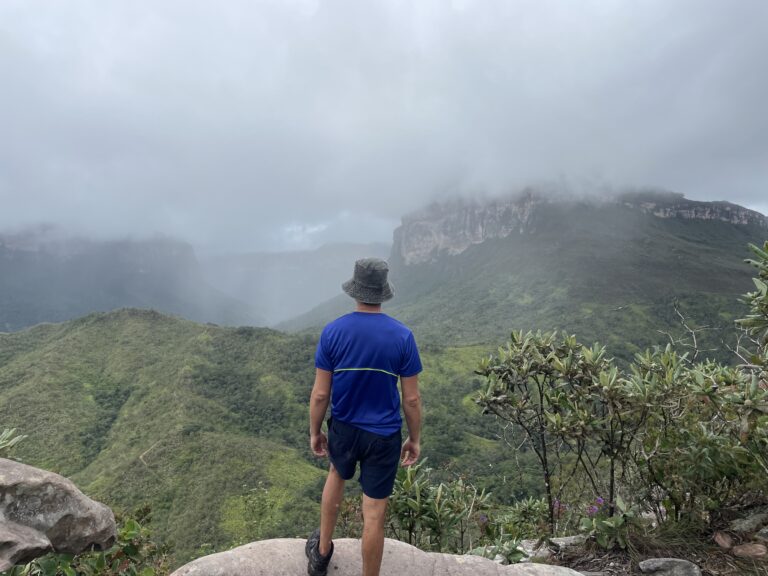
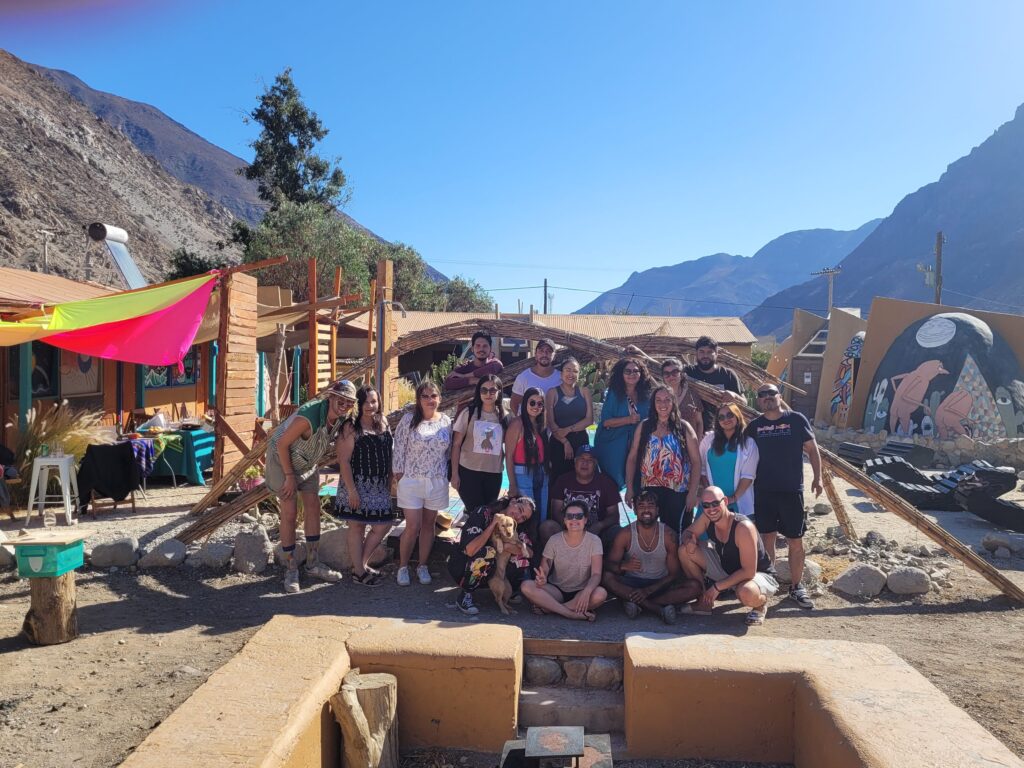
I’ve used this type of arrangement during my own travels, including spending about four weeks volunteering in Serra Grande, Brazil, and Elqui Valley in Chile.
Some of the most popular platforms for finding hosts are Worldpackers, Workaway, and WWOOF. You can also find opportunities through travel groups, social media, or simply by asking around while you’re already traveling.
The key is to be thorough. A volunteer opportunity can look great online and turn out to be completely different from what you expected. Good communication before committing can save you a lot of time and help you find an arrangement that actually fits the way you travel.
Think of the process almost like shopping around. Scan what’s available, compare hosts and figure out what a good volunteering arrangement looks like in that particular destination. Once you know what’s normal, what’s below average and what’s unusually good, it becomes much easier to prioritize your options.
How to Choose the Right Volunteer Host
CHOOSE YOUR DESTINATION BEFORE SEARCHING FOR HOSTS
Generally speaking, decide where you want to travel before you start looking for volunteer opportunities.
If you’re sitting at home planning a trip abroad, narrow your search to a country, city or region first. Otherwise, you can easily find yourself drowning in opportunities all over the world without getting any closer to making a decision.
There are exceptions. Maybe you’re interested in a specific type of volunteering that’s unique to a particular place. If you’re already backpacking and simply need somewhere to stay as soon as possible to save money, you can also afford to be more flexible about the destination.
But for most people, destination first, volunteer opportunity second is the easiest approach.
COMPARE OPPORTUNITIES BEFORE COMMITTING
Once you’ve chosen a destination, scan the market before contacting the first host that looks good.
Look through enough listings to understand what hosts in that country or region generally offer. Pay attention to the number of working hours, accommodation, meals and other perks.
The norms can vary considerably between destinations. In Southeast Asia, for example, I’ve seen a good number of volunteering opportunities that provide three meals a day. If several hosts in the same area offer that, I’d think twice before choosing one that provides no food at all unless it has something else that makes the opportunity special.
If you’re somewhere in South America and one meal per day appears to be about the best arrangement available, that’s a different situation.
The point isn’t that every host needs to offer the same benefits. You need a baseline for comparison. Do some general searching and figure out what’s common, what’s below average and what’s unusually good.
Then use everything else in this guide — reviews, working hours, schedule, accommodation, communication, responsibilities and perks — to give each host a rough ranking in your own priorities.
You’re exchanging your time for something of value. Know what your time can reasonably get you before committing.
PRIORITIZE HOSTS WITH RECENT & CONSISTENT REVIEWS
Reviews are one of the first things I look at.
I prefer hosts that have received positive reviews recently — ideally within the last month. That tells me volunteers are actively coming through and that the host has a functioning operation.
I tend to be more cautious when reviews are widely dispersed over time. A host with plenty of recent volunteer feedback gives you a much better picture of what the experience is actually like right now.
LOOK FOR CLEAR DESCRIPTIONS OF THE WORK
Prioritize host profiles that clearly explain what you’ll actually be doing.
You’ll eventually want to ask questions directly, but you shouldn’t have to conduct an investigation just to understand the basic job. A good profile should give you a reasonable idea of the responsibilities, hours, accommodation and what the host expects from volunteers.
If a profile is extremely vague, I’ll usually move on.
GET IN CONTACT THROUGH WHATSAPP AS SOON AS POSSIBLE
Once you’re seriously considering a host, communication becomes the most important part of the process.
If possible, move the conversation to WhatsApp or another convenient messaging platform. This makes it much easier to ask questions and get a realistic picture of what you’re signing up for. You don’t have to be confirmed with the job before doing this.
Ask about the job itself. How busy is it? How many volunteers are usually there? Is the environment social or quiet? What exactly will you be doing?
Then ask about the living situation. How many beds are in the volunteer dorm? Does it have its own bathroom and shower? Is there air conditioning, a fan or windows? Is the property noisy? If it’s a hostel, do they play music throughout the day or late at night? Is there a coworking space? If you need somewhere quiet to meditate, do yoga or work on your laptop, is there an appropriate space?
You don’t need to interrogate the host with fifty questions. Just think about what matters specifically to you and make sure you have answers before committing. For me, personally, good sleep non-negotioable. I’ve written separately about how sleep deprivation can affect long-term travel, and your living environment can make a huge difference.
Being thorough at this stage can prevent a lot of problems later.
KNOW YOUR EXACT SCHEDULE BEFORE YOU ARRIVE
Don’t stop at asking how many hours you’ll work. Find out when you’ll be working.
Ask whether your shifts will always be at the same time or rotate. Find out whether you’ll work the same days every week, whether weekends are required and whether there are early-morning or overnight shifts.
In my opinion, having roughly the same schedule every week is ideal because you can plan the rest of your time around it.
The more you know about your schedule beforehand, the easier it is to determine whether the opportunity actually works for you.
DON’T WORK MORE THAN 25 HOURS PER WEEK UNLESS THE PERKS JUSTIFY IT
My personal limit is about 25 hours per week.
Something like four six-hour shifts is a reasonable arrangement. Once you start working significantly more than that, volunteering can begin to feel like a full-time job where you aren’t earning any money.
Remember why you’re there. You’re traveling, and you should still have enough free time to explore the destination.
There can obviously be exceptions. If a host provides excellent accommodation, several meals per day or other valuable perks, working additional hours might be worthwhile.
But if you’re mainly receiving a bed in exchange for your time, I personally wouldn’t commit to much more than 25 hours per week.
CREATE A COMPLETE VOLUNTEER PROFILE
Your profile matters to hosts just as much as their profile matters to you. Most volunteering platforms will guide you through the process.
Include as much useful information as the platform allows. Add good photos, explain who you are and be transparent about your experience. If you’ve traveled before, mention relevant travel experience. Highlight skills you already have, but also explain what you’re interested in doing or learning. Link any relevaant social media or websites.
The goal is to give a potential host enough information to understand whether you’re a good fit without having to ask you a dozen basic questions.
PAY ATTENTION TO HOST RESPONSE TIMES
Platforms such as Worldpackers and Workaway often show how responsive a host is. This is soooo important. Do not frustrate yourself with any host that takes more than 1 full day to respond, 2 days MAX. That’s my personal rule.
BUT…
How important this is depends on your timeline. If you’re planning months ahead and find an opportunity that really interests you, waiting a little longer for a response may not matter.
If you’re already traveling and need somewhere to volunteer soon, prioritize hosts who respond quickly. Use your own level of urgency to filter your options. It makes the search much more efficient. I’ve received responses from some hosts weeks later after I had already commited somewhere else.
DON’T WASTE ANYONE’S TIME
Only contact hosts you would realistically consider volunteering for.
Sending messages to dozens of hosts you’re barely interested in creates unnecessary work for everyone involved. Read the profile first, decide whether the opportunity genuinely interests you and then ask whatever questions you still need answered.
Being selective also makes it easier to keep track of the conversations you’re having. I know it’s tempting to overmessage or overbook just in case you miss out on something, but you have to avoid getting carried away.
CHOOSE WORK THAT FITS YOU
For your first volunteering experience, consider doing something that comes naturally to you.
If you’re comfortable talking to people, a hostel reception or social role might make sense. If you prefer quieter work, look for something that better fits your personality and skills.
There’s nothing wrong with using volunteering as an opportunity to learn something completely new either.
My personal philosophy is simple: if something comes easily to you, it feels less like a job. You’re not traveling abroad to make yourself miserable. Find something you think you’ll enjoy.
IF YOU’RE ALREADY STAYING SOMEWHERE YOU LIKE, ASK ABOUT VOLUNTEERING
Sometimes the best opportunity is right in front of you.
If you’re staying at a hostel, guesthouse or another place that you genuinely like, ask whether they accept volunteers. Better yet, talk to the volunteers who are already there.
They can tell you what the work is actually like, how the host treats volunteers, what the schedule is like and whether the arrangement is worth it.
That firsthand information can be more useful than anything written on a profile.
PAY ATTENTION TO RECOMMENDATIONS
Take recommendations seriously, but consider where they’re coming from.
Volunteer reviews and recommendations from people who have actually worked for a host can be extremely useful. I wouldn’t choose a host based solely on a recommendation from someone who has no direct experience volunteering there.
The closer the person is to the actual experience, the more valuable their opinion is.
FREE FOOD GOES A LONG WAY
I always pay attention to whether a host provides food.
A free, healthy breakfast every morning might not sound like a huge perk, but those savings add up quickly when you’re traveling for weeks or months. Some hosts provide multiple meals, which can make an opportunity considerably more valuable.
To me, providing food can also be a nice sign that the host appreciates the volunteers contributing their time.
It’s also another reason to compare opportunities before committing. If meals are commonly included with volunteer positions in the area you’re visiting, factor that into your expectations when evaluating a host.
The Most Important Rule: Be Thorough
Finding a good volunteering opportunity isn’t complicated. The biggest mistake is committing before you understand what you’re agreeing to.
Choose your destination, scan the market, compare your options, read the entire profile, study recent reviews, communicate directly with the host and ask about anything that matters to you before you arrive.
Know your responsibilities. Know your schedule. Know where you’ll sleep. Know what you’re receiving in exchange for your time.
You don’t need to stress over every tiny detail or find a “perfect” host. You just want enough information to make an informed decision.
Think of every opportunity as a complete package rather than judging it on one perk. One host might provide three meals but require more working hours. Another might offer fewer meals but better accommodation, shorter shifts, a better location or work you’d genuinely enjoy.
Figure out what matters most to you, compare what’s available and prioritize accordingly.
The more thorough you are before committing, the less likely you are to arrive somewhere and discover that the experience is completely different from what you expected. If you’re planning a longer trip, feel free to check out my Travel Tips for more firsthand advice on backpacking and long-term travel.