Long-distance bus travel is one of the most practical ways for backpackers and budget travelers to get around Latin America. Depending on the country and route, buses can connect major cities, small towns, tourist destinations, and places that aren’t conveniently reached by air.
I’ve taken plenty of long-distance buses while backpacking through countries including Brazil, Colombia, Nicaragua, and Guatemala. I’ve done overnight trips, spent entire days on buses, and even endured a journey of roughly 34 hours between Rio de Janeiro and Serra Grande in Bahia, Brazil.
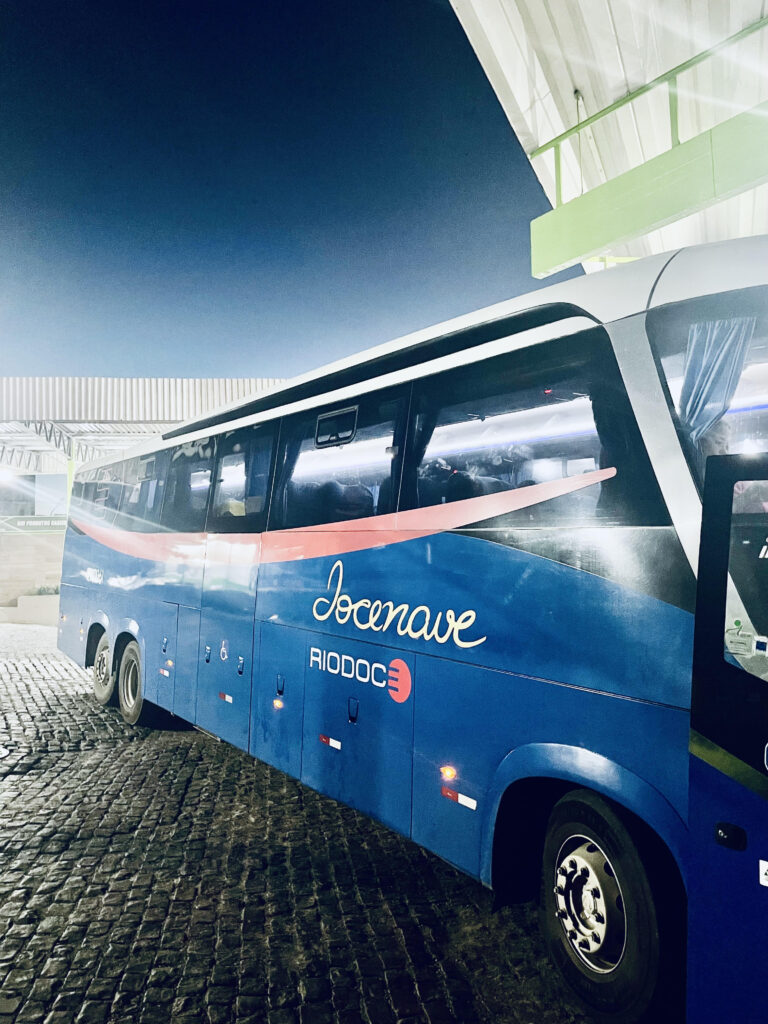
One advantage I’ve consistently experienced with the larger long-distance coaches is luggage. I’ve never had to pay extra to check one suitcase or large backpack underneath the bus. That’s a nice change from flying, where baggage fees can quickly increase the price of a cheap ticket.
After enough time traveling around Latin America by bus, you learn a few things.
Some buses are surprisingly comfortable. Others aren’t. Schedules can change, Wi-Fi might not work, temperatures can be freezing, and a trip may take considerably longer than expected.
Here are 10 things I’ve learned about long-distance bus travel in Latin America.
1. Expect Delays When Traveling by Bus in Latin America
Don’t build a tight schedule around the exact arrival time printed on your bus ticket.
I’ve had plenty of trips take longer than expected. Traffic, additional stops, passenger pickups and drop-offs, road conditions, mechanical problems, and other unexpected situations can all add time.
I’ve even had to wait for a tire change.
Brazil was particularly unpredictable during some of my travels, but delays can happen anywhere. Your bus might also leave later than scheduled.
Give yourself some breathing room, especially if you’re connecting to another bus, flight, tour, or anything else that requires you to arrive at a specific time.
2. Prepare for Cold Overnight Buses
If you’re taking an overnight bus in Latin America, bring a sweater, hoodie, light jacket, or blanket.
Some buses I’ve taken were absolutely freezing because of the air conditioning. Even if you’re traveling somewhere hot, don’t assume the temperature inside the bus will match the weather outside.
Overnight buses can be a convenient way to cover long distances while sleeping and potentially avoid paying for a night of accommodation. Being comfortable makes a huge difference, especially when you’re going to be sitting there for eight, ten, or even more hours.
3. Don’t Depend on Wi-Fi on Long-Distance Buses
Bus Wi-Fi has been very hit or miss during my travels. Quality varies by country, company, route, and individual bus.
There were plenty of times when I purchased a ticket advertising Wi-Fi only to discover that it barely worked—or didn’t work at all.
Higher-class buses, including services advertised as semi-cama or semi-leito in parts of Latin America, may offer more amenities, but I still wouldn’t board assuming you’ll have a reliable internet connection.
Download maps, entertainment, tickets, accommodation information, and anything else important before you leave.
4. Bring a Portable Charger for Long Bus Rides
Many newer or higher-quality long-distance buses have charging ports near the seats. USB Type-A has been common on buses I’ve used, while newer vehicles may have USB-C or other charging options.
Unfortunately, the charging port next to your particular seat might not work.
If the bus isn’t full, you might be able to move to another seat, but I wouldn’t rely entirely on the bus for power.
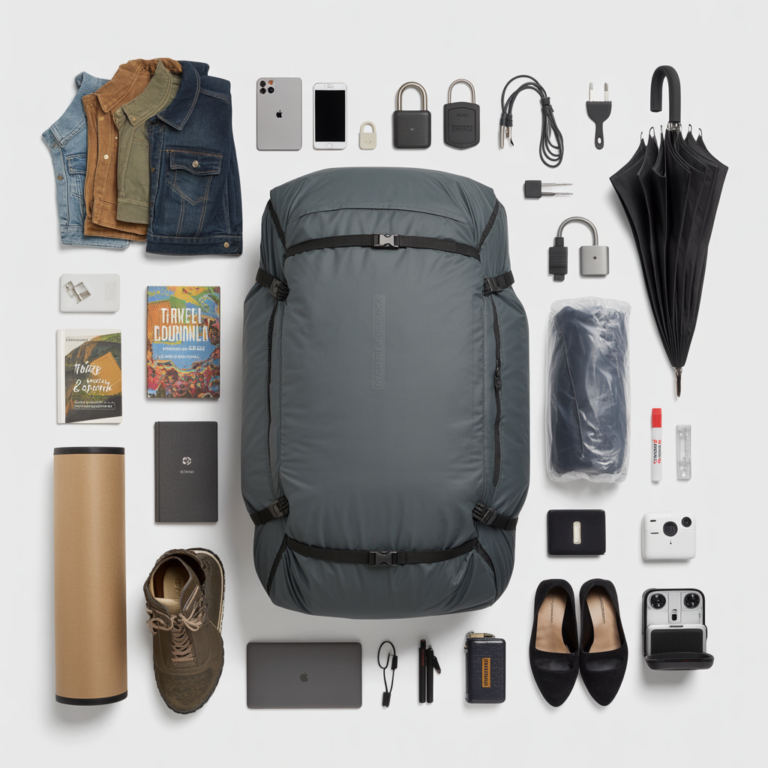
Bring a portable phone charger. On a very long bus journey, having your own backup power source can be extremely useful. A portable charger is also one of the items I recommend in my long-term travel packing list.
5. Compare Online Bus Tickets with Bus-Station Prices
I’ve often found cheaper tickets by purchasing directly at the bus station rather than through third-party booking websites.
Buying in person can also make it easy to compare multiple bus companies serving the same destination without paying a third-party booking fee.
However, don’t assume buying at the station will always be cheaper—or that another bus will leave shortly after you arrive.
Popular routes can sell out, while less-traveled routes may have only a few departures per day. Holidays and weekends can also affect availability.
For an important journey, check the route and general schedule beforehand. You can then compare your online options with what’s available locally.
6. Choose Your Bus Seat Carefully
If you don’t plan on going to the bathroom every five minutes, I’m a fan of the window seat.
You can lean against the side of the bus, don’t have to move whenever somebody walks through the aisle, and depending on the route, you might get some great views along the way.
For an overnight bus, seat choice becomes even more important. If the company offers different seating classes or reclining options, compare them before booking—especially for a journey lasting many hours.
7. Find a Good Bus Company and Stick with It
Certain bus companies operate extensively within individual countries or regions.
If you’ve already had a good experience with one, don’t hesitate to consider using it again. In my experience, the difference in quality between bus operators can be huge. Some companies are simply more organized, comfortable, and professional than others.
That doesn’t mean you should blindly choose the same company every time, but a good previous experience is worth considering when several operators serve the same route.
8. Check Whether Your Long-Distance Bus Has a Bathroom
Many full-size long-distance coaches have onboard bathrooms, but don’t automatically assume yours will.
Shorter regional buses and vans may not have toilets at all, and the condition or rules for onboard bathrooms can vary between buses and companies.
Long journeys may include rest stops where passengers can use bathroom facilities, buy food, and stretch their legs. At some stations and rest areas, you may have to pay a small fee to use the bathroom.
If having an onboard toilet is important to you—especially for a long or overnight journey—check the bus amenities before buying your ticket.
9. Have a Plan for a Long Bus Journey
A long-distance bus ride can give you a ridiculous amount of downtime.
I’ve spent entire days and nights traveling by bus, so I’ve learned to have some idea of how I want to spend the time.
Read, sleep, listen to music, watch downloaded movies, plan the next part of your trip, write in a journal, reflect, or simply stare out the window and watch the landscape change.
You don’t have to be productive.
I just personally feel better when I make some use of the journey instead of mindlessly scrolling through social media for hours.
10. Bring Snacks, Water, and Some Local Cash
For a bus journey lasting several hours—or potentially an entire day—bring water and some snacks.
Depending on the route, the bus may stop at terminals, restaurants, or roadside rest areas where passengers can buy meals and drinks. On some of my journeys, vendors also came aboard selling food.
Don’t depend on either happening.
If you want to save money or know you’ll get hungry, bring your own snacks or prepared food. Keeping some local cash with you is also useful for small purchases at bus terminals and rest stops where paying by card may not be practical.
For a really long journey, a little preparation goes a long way.
Is Long-Distance Bus Travel in Latin America Worth It?
Absolutely. Long-distance buses aren’t always the fastest or most comfortable way to travel, but they can be an incredibly practical option for backpacking around Latin America.
They’ve taken me across Brazil, Colombia, Nicaragua, Guatemala, and plenty of places in between. Sometimes the ride itself becomes part of the travel experience. In Nicaragua, buses were also part of my larger backpacking route through destinations like Tikal National Park.
You see landscapes you’d never see from an airplane, reach destinations that might otherwise be difficult or expensive to visit, and potentially save money along the way.
Just don’t expect every journey to go perfectly according to schedule.
Bring something warm, keep your phone charged, pack some food and water, give yourself extra time, and enjoy the ride.