At a certain point in the illustrious history of the Americas, what we now know as Ouro Preto (“black gold”) became a mecca of newfound prosperity—and, unfortunately, a hungry destination for imported slave labor. In the early to mid-1700s, thousands of enslaved Africans were brought from Portuguese territories to mine valuable minerals and the newly discovered gold, much of which was covered in dark layers of iron oxide.
Originally named “Vila Rica de Ouro Preto,” the town became the capital of the Captaincy of Minas Gerais in 1720. Fueled by the Portuguese Crown’s relentless pursuit of wealth, this gold mine of a town became the epicenter of the greatest gold rush the Americas had experienced at the time.
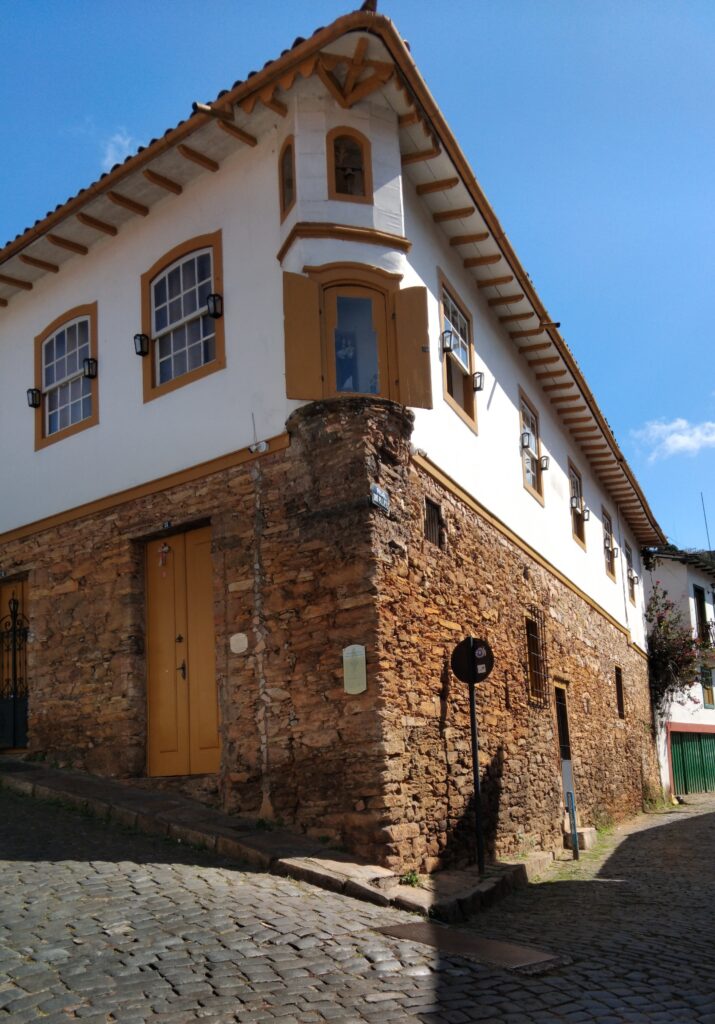
Following its monumental rise, a powerful uprising emerged: the Inconfidência Mineira, which became a pivotal spark in the struggle for Brazilian independence, ultimately achieved in 1822. Today, Ouro Preto stands as a UNESCO World Heritage Site, preserved almost as a time capsule of its former glory, leaving us with the Baroque opulence that emerged from the vast accumulation of wealth centuries ago.
Where is Ouro Preto, Minas Gerais?
Housing a population of around 75,000–80,000 residents, Ouro Preto sits at an elevation of 1,061 meters in the Espinhaço Mountains of Minas Gerais, the proud cheese capital of Brazil. Belo Horizonte, the state capital, is located approximately 100 km away.
I took a bus from Belo Horizonte to Ouro Preto with the company Pássaro Verde, which cost about $10 USD. The bus left 45 minutes later than scheduled and moved at a pretty slow pace. From the originally scheduled departure time, it took us four hours to reach our destination. Plan accordingly. Pássaro Verde is the only commercial operator running this route.
What to Expect in Ouro Preto
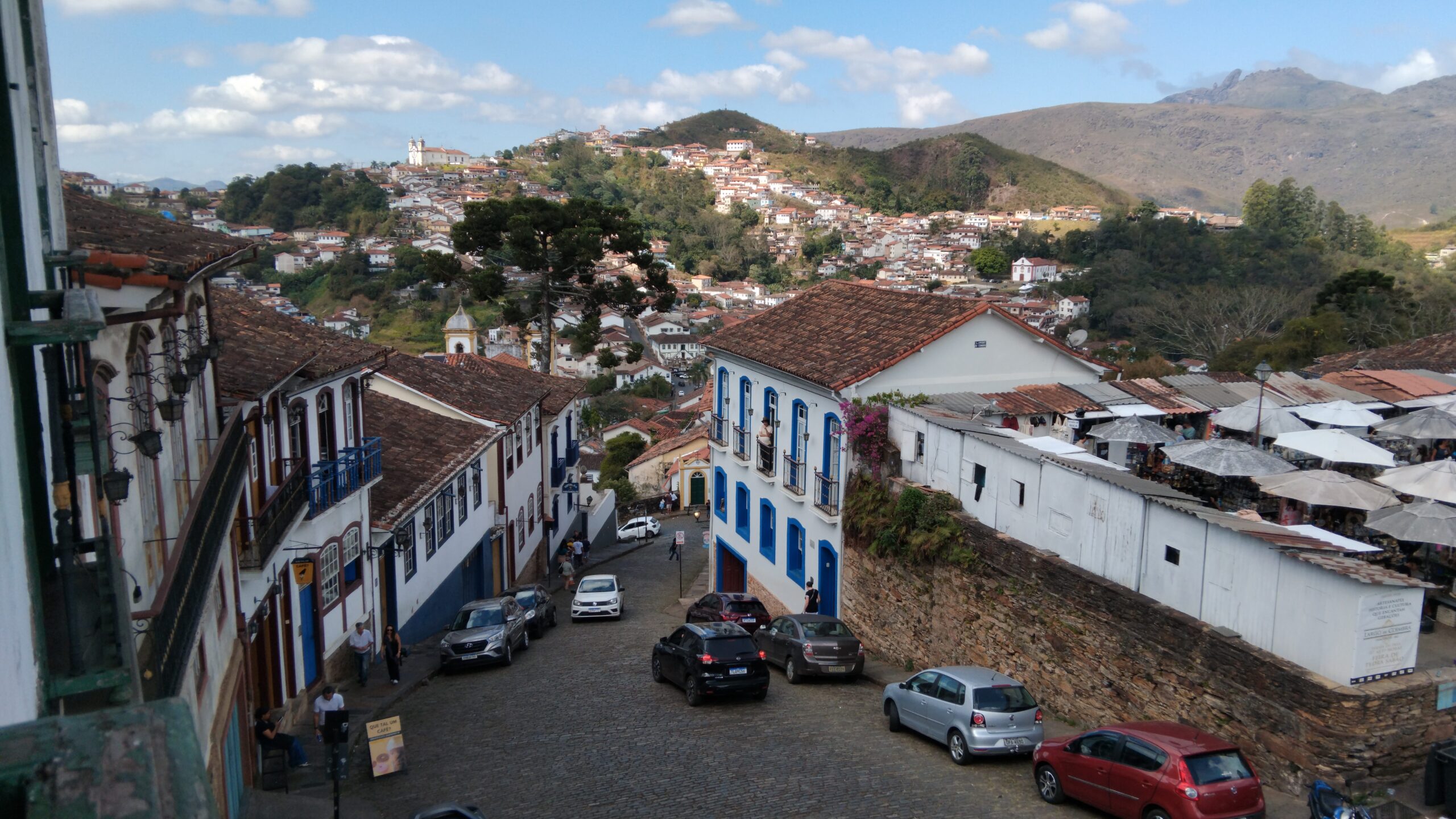
Be prepared to walk up and down plenty of cobblestone hills. Also, Uber doesn’t operate in Ouro Preto, but the rideshare app 99 does. Upon your arrival at the main bus terminal from Belo Horizonte, you’ll most likely need to take a taxi to your accommodation. Taxis there generally accept cash or PIX payments. At least, that was the case with the one I took (I paid 25 Brazilian reais). I’m assuming the others operate the same way.
WEATHER
Average highs range from 26°C–28°C, with lows between 10°C–12°C during the summer months (November to March). In the winter (May to September), average highs range from 21°C–24°C, while lows typically fall between 10°C–12°C. During the summer, 50%–70% of days experience some type of rainfall. Maybe bring an umbrella, and don’t plan on wearing sandals like you did in Rio de Janeiro.
What I Didn’t Get to Do in Ouro Preto
I’ll start by saying I only spent two full days in Ouro Preto. It was originally supposed to be four, but my plans changed and it was largely out of my control. I say that to say this: if you have the time, try to do some hiking in the Parque Municipal Natural de Ouro Preto and check out the waterfalls there. A few people have told me that the waterfalls are gorgeous. It’s definitely worth the trip, especially considering how close it is to town.
Things to Do in Ouro Preto
- Churches
- Marte Festival
- Viewpoints
- Museu da Inconfidência
- Municipal Theater – Opera House
- Artisanal market
CHURCHES
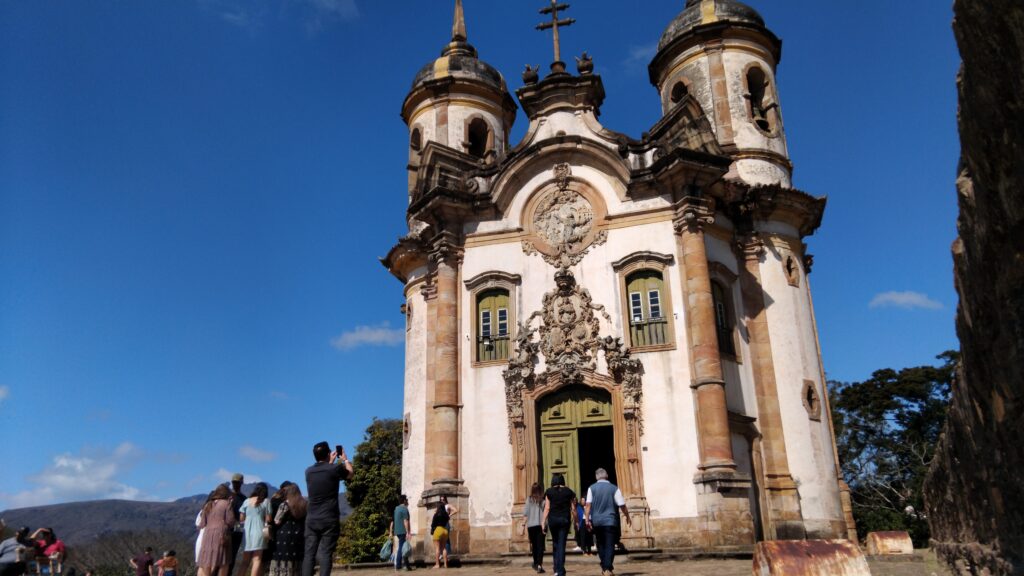
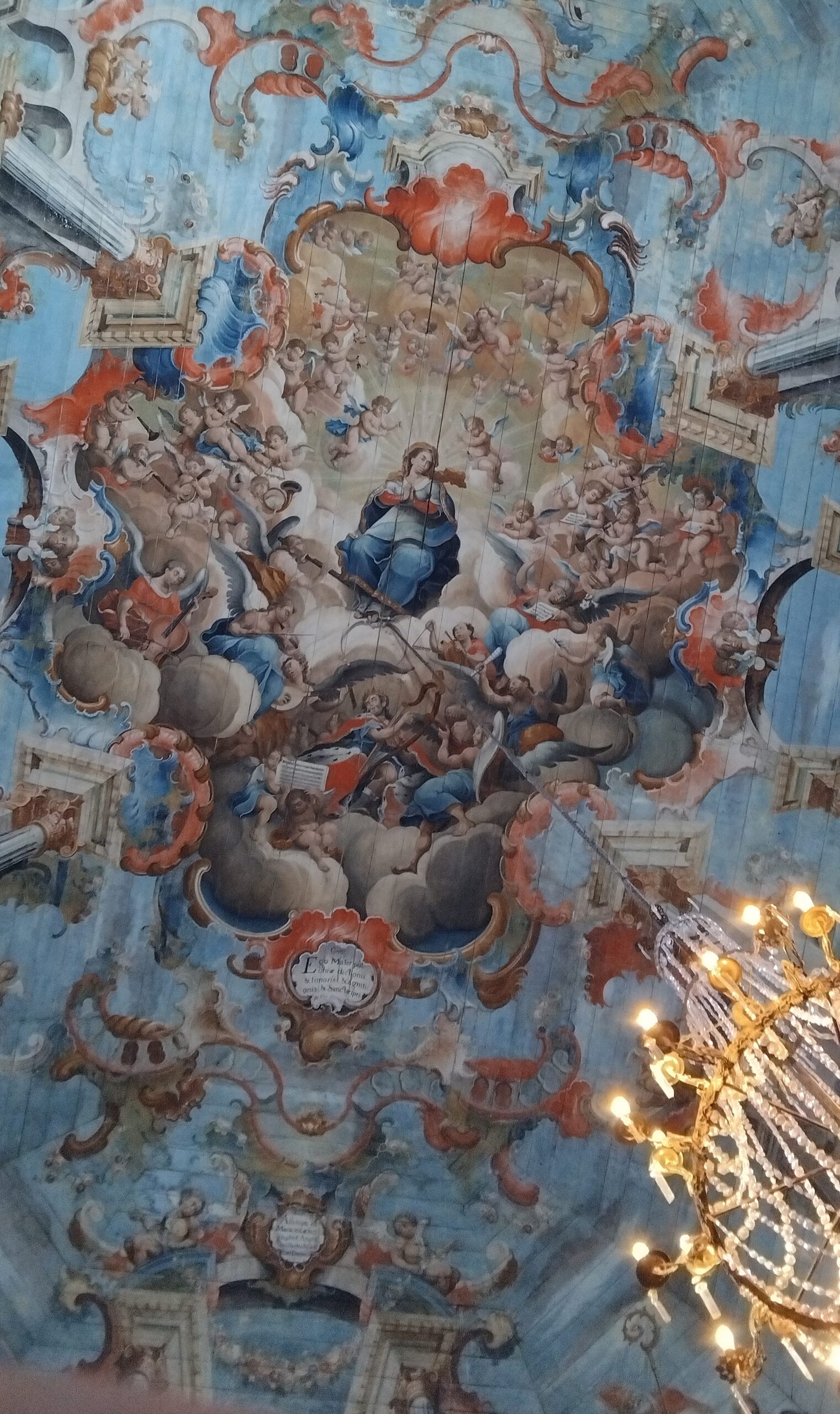
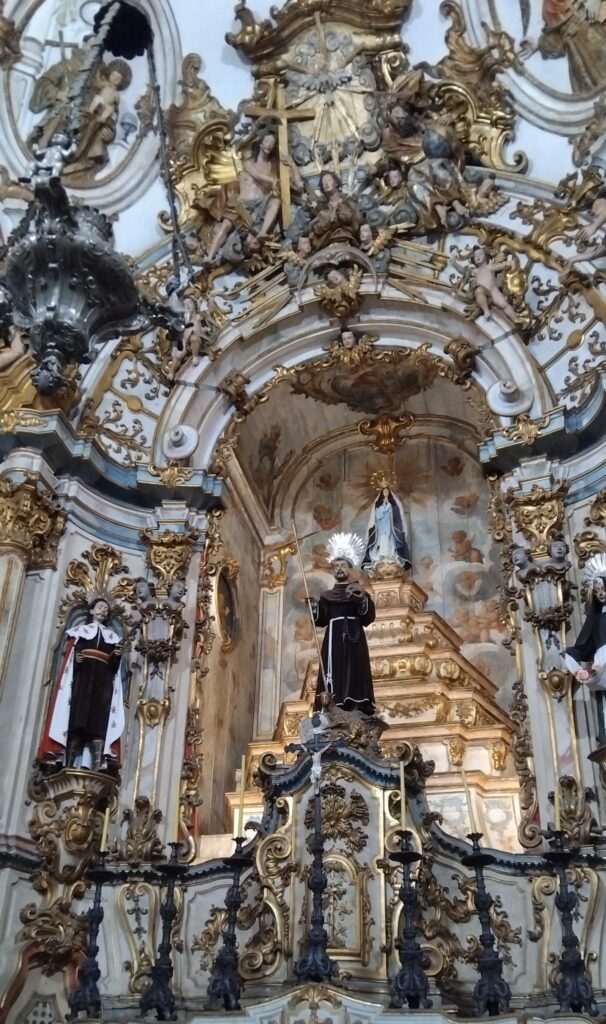
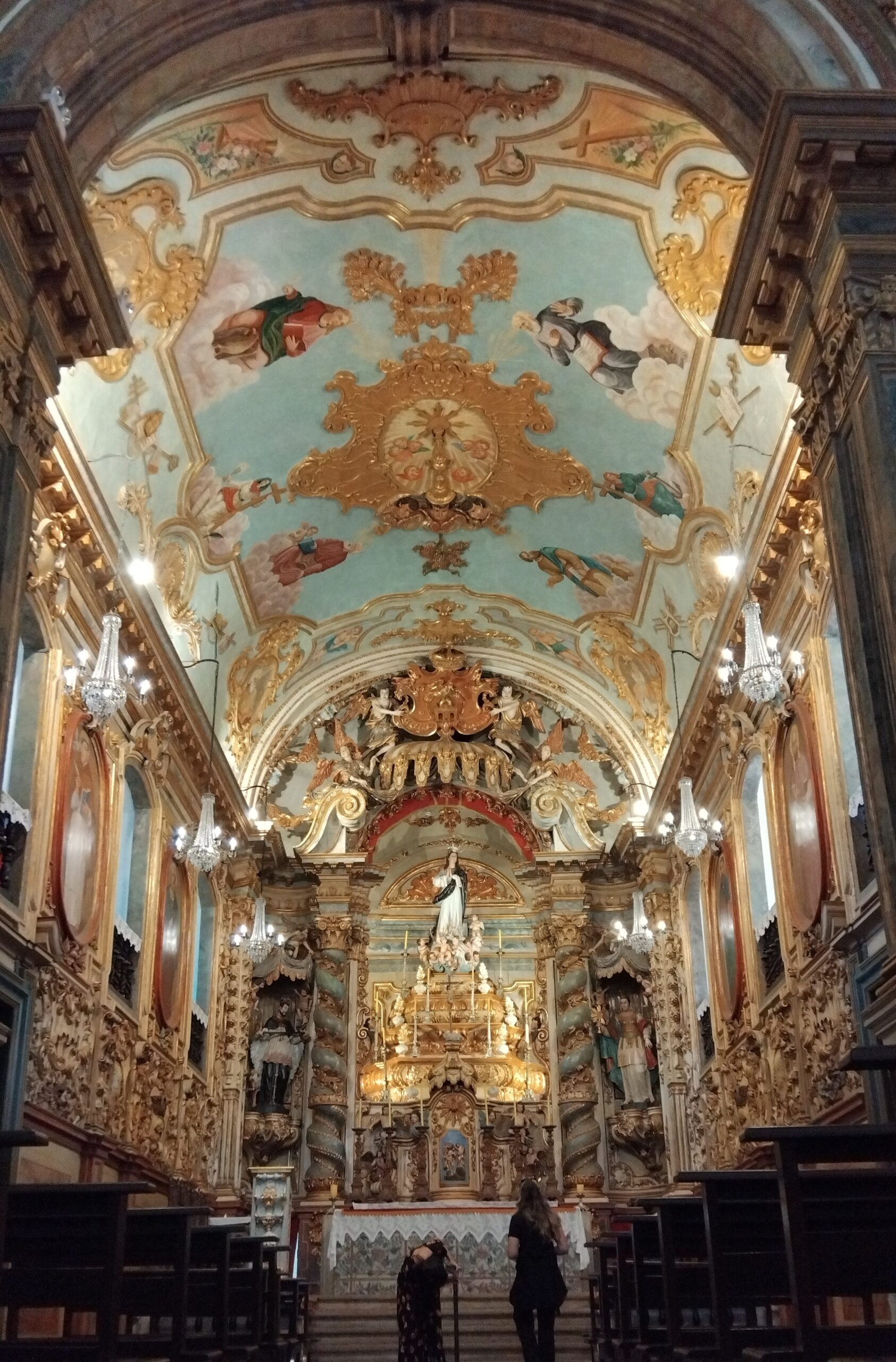
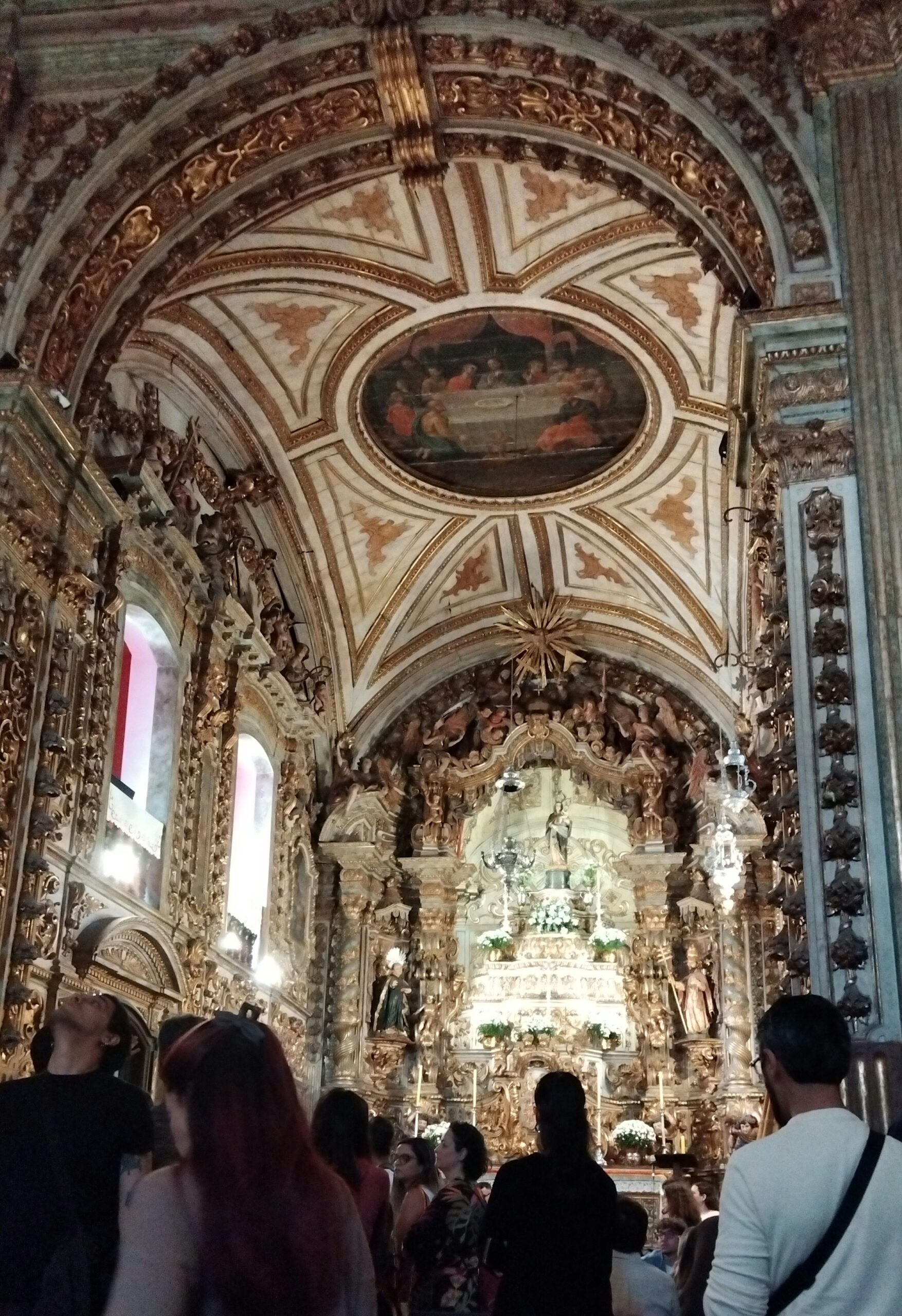
The best bang for your buck is the 3-church ticket for the Aleijadinho Museum circuit. Aleijadinho, whose real name was Antônio Francisco Lisboa, lived from 1738 to 1814. His artistry is deeply woven into the fabric of Ouro Preto and other important mining towns of his time like São João del Rei, Congonhas, and Sabará. The tickets cost R$30 for adults and R$15 or less for students/seniors. This single admission covers entry to:
- Church of Saint Francis of Assisi (Igreja de São Francisco de Assis)
- Sanctuary Matriz of Our Lady of Conception (Santuário Matriz de Nossa Senhora da Conceição)
- Church of Our Lady of Mercy and Forgiveness (Igreja de Nossa Senhora das Mercês e Perdões / Mercês de Baixo).
They are all open Tuesday through Sunday from 8:30 AM to 12:00 PM and 1:30 PM to 5:00 PM (with a midday lunch break from 12:00 PM to 1:30 PM), and are CLOSED ON MONDAYS.
Be aware that the 3-church ticket does not include access to Ouro Preto’s most famous church, Basílica Nossa Senhora do Pilar. More than 400 kilograms of gold are said to have been used in its construction and decoration, along with around 400 kilograms of silver!
Just like its counterparts, the basilica is open Tuesday through Sunday. Operating hours are from 9:00 AM to 11:00 AM and from 12:00 PM to 5:00 PM. Admission costs R$15.00 for adults, while students and seniors receive discounted rates.
Note: The admission price will increase to R$30.00 starting in September 2026. (This was written in August 2026.)
MARTE FESTIVAL
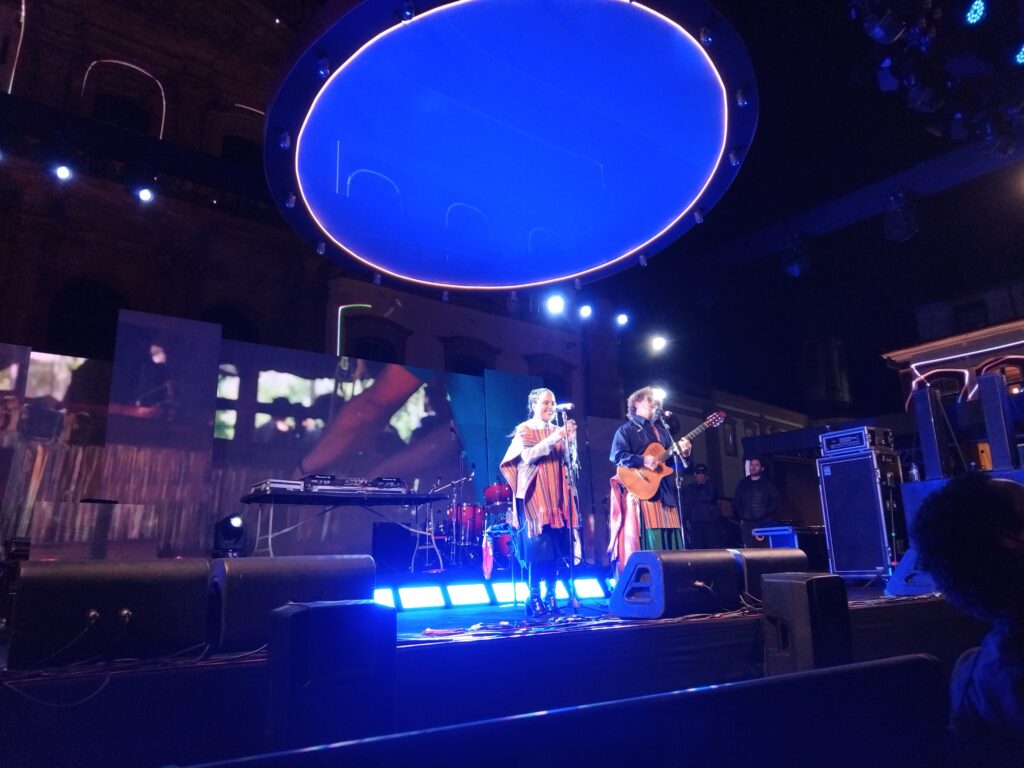
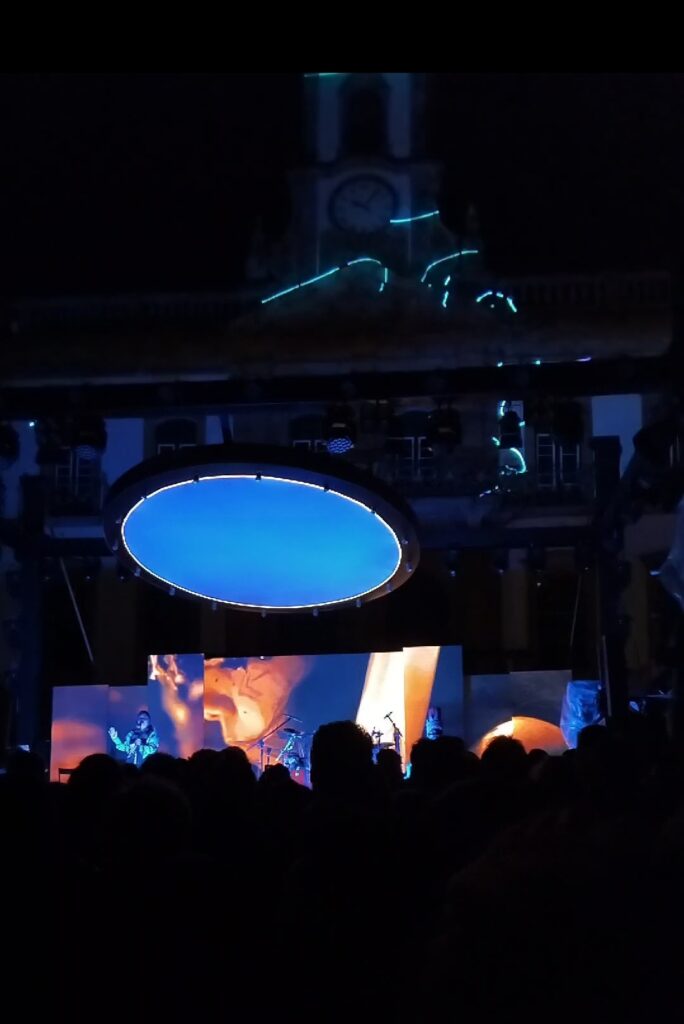
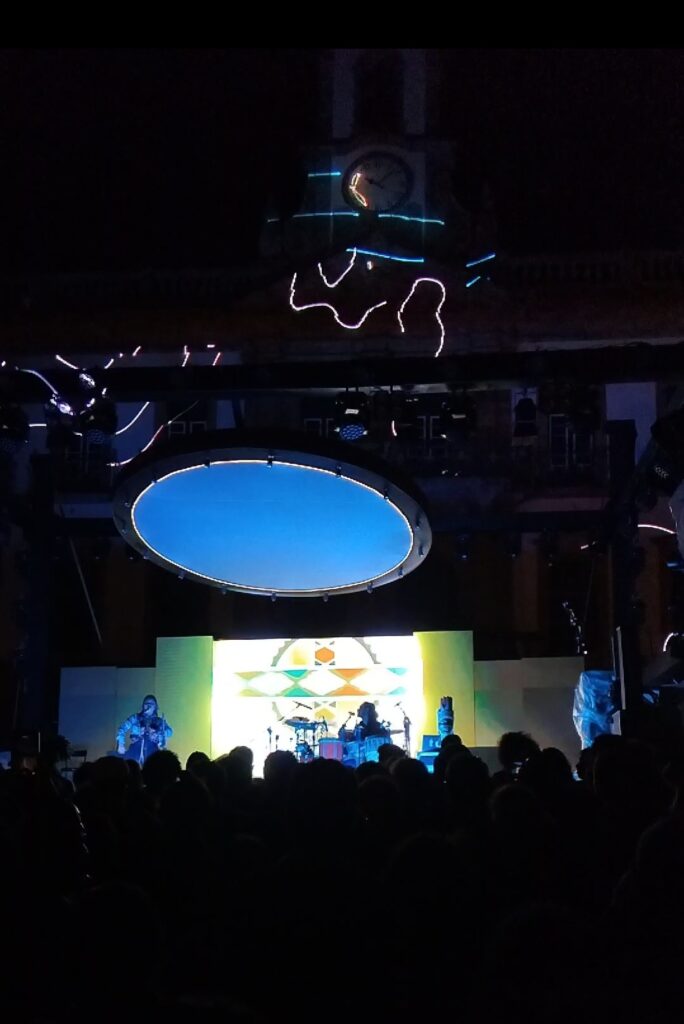
Marte Festival, which originally launched in 2017 in Mariana, Minas Gerais, has been a free annual event in Ouro Preto since 2019. This year it featured a diverse lineup blending contemporary art, music, and digital technology around the theme “The Future is Ancestral — and it comes from the Global South.”
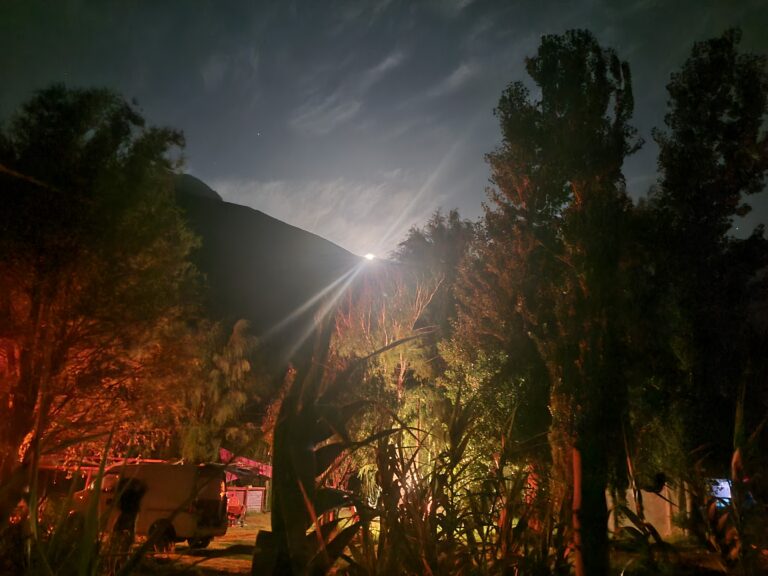
The show had a great vibe, showcasing musicians ranging from the Amazon to Paraguay. The production was equipped with dazzling lights that illuminated the surrounding buildings. Between musical performances, aerial silk acrobats took center stage, suspended high above the crowd from a crane.
VIEWPOINTS
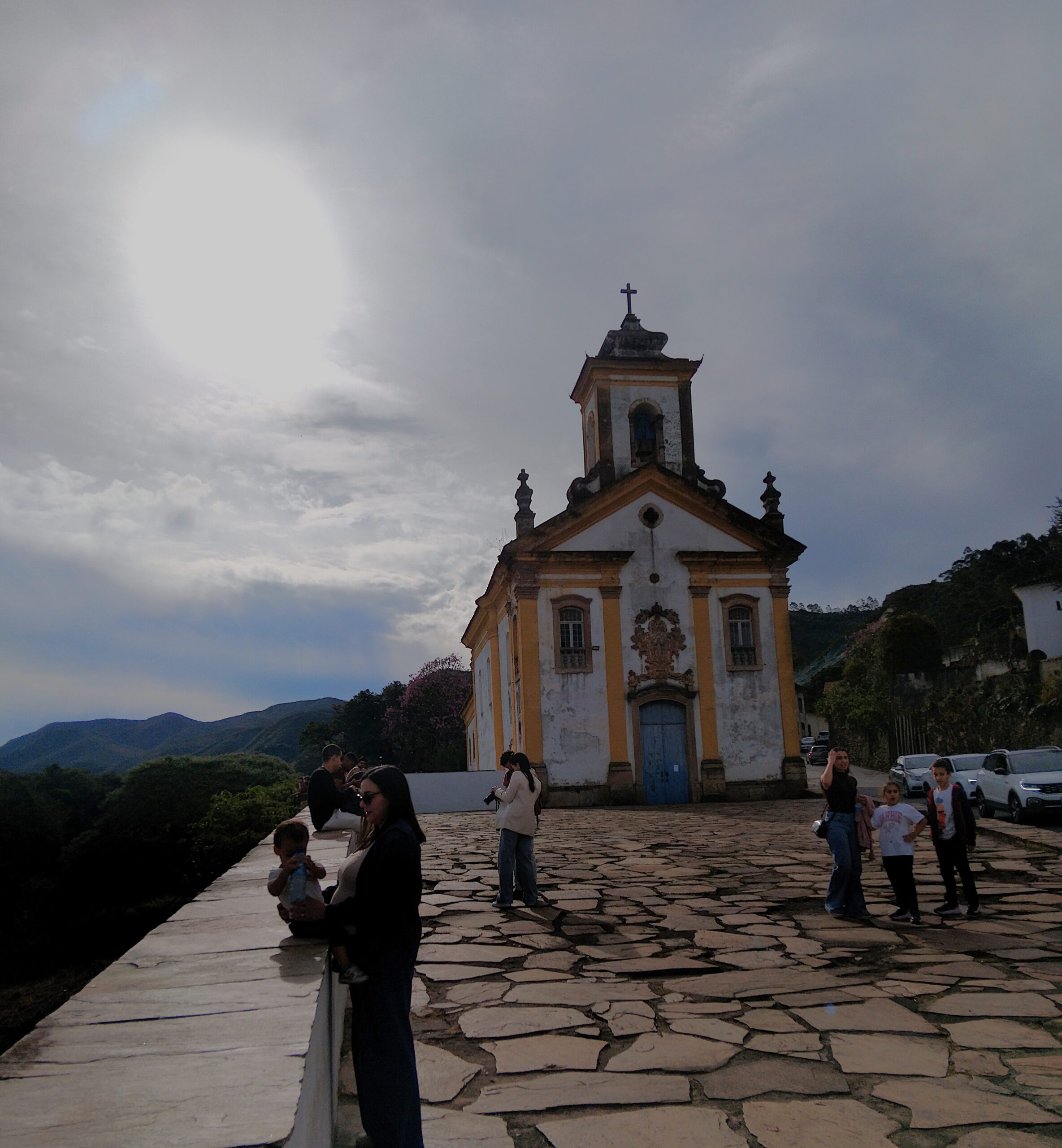
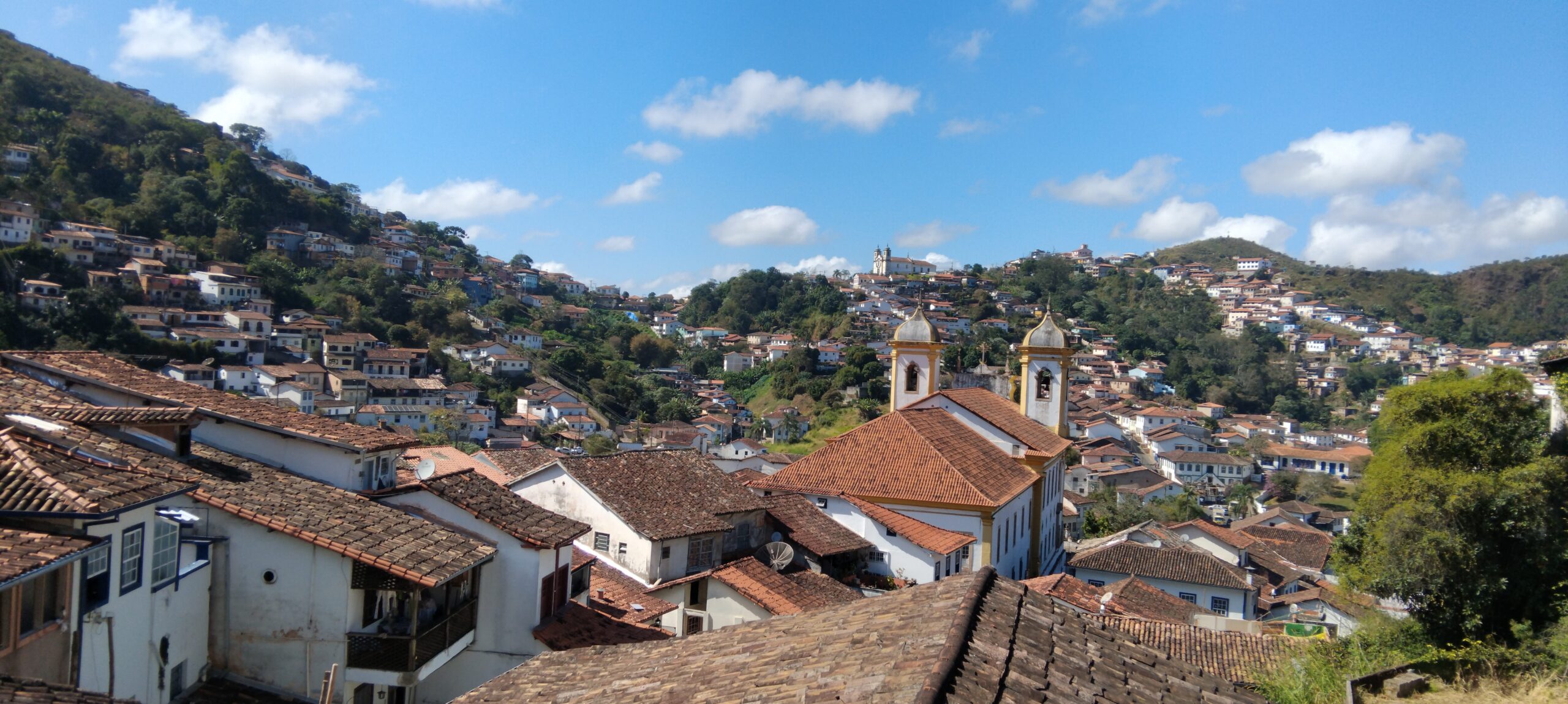
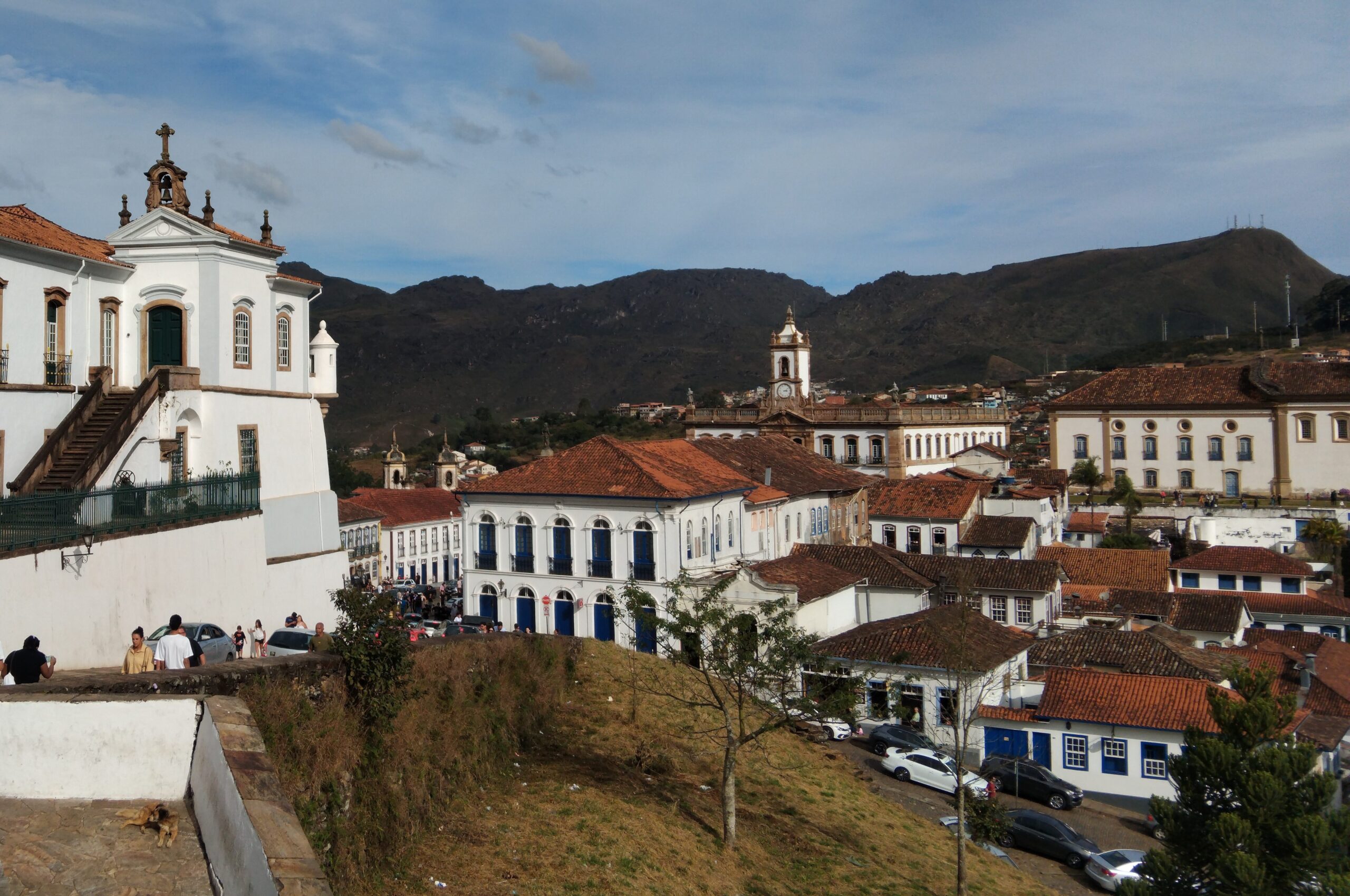
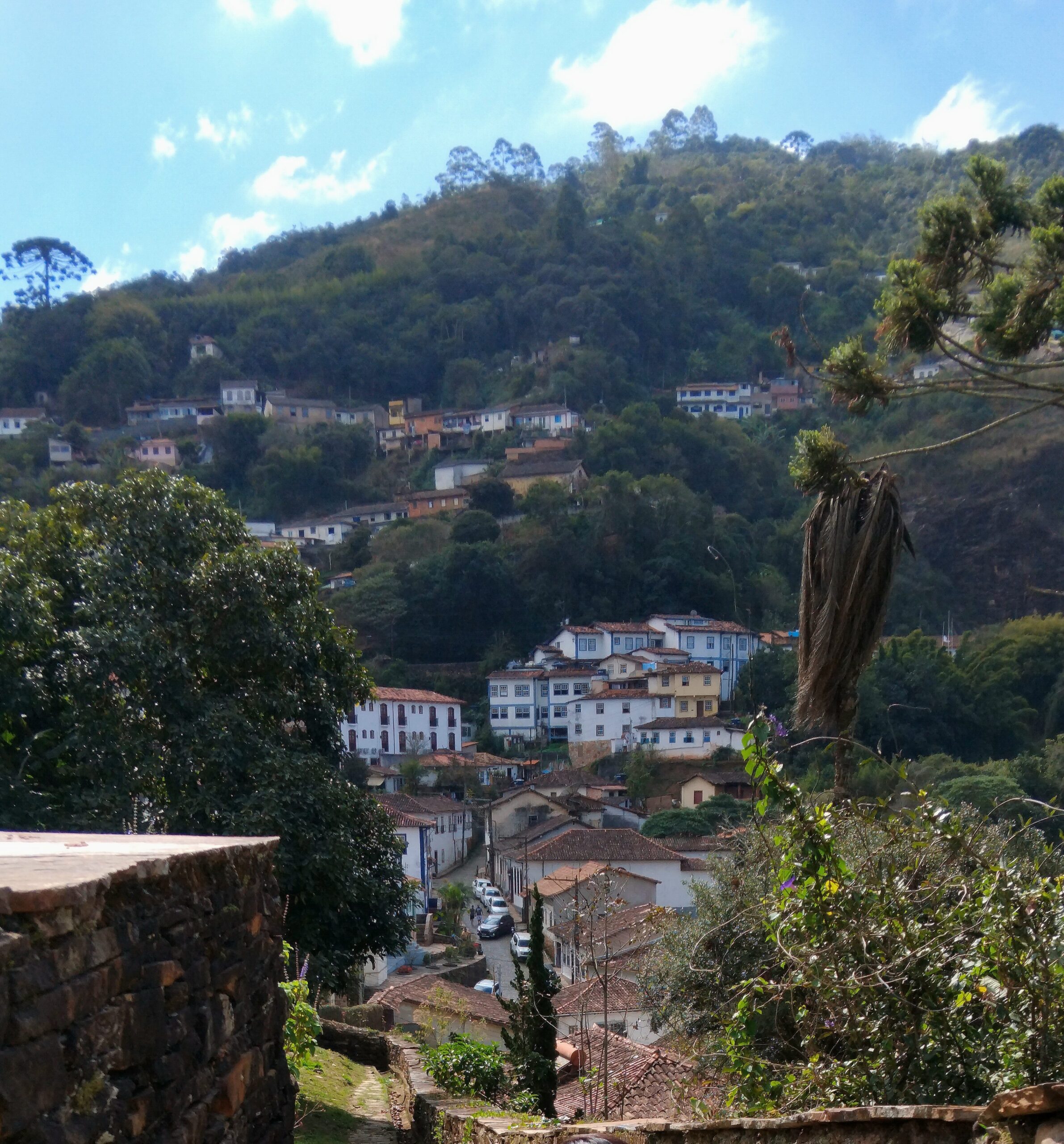
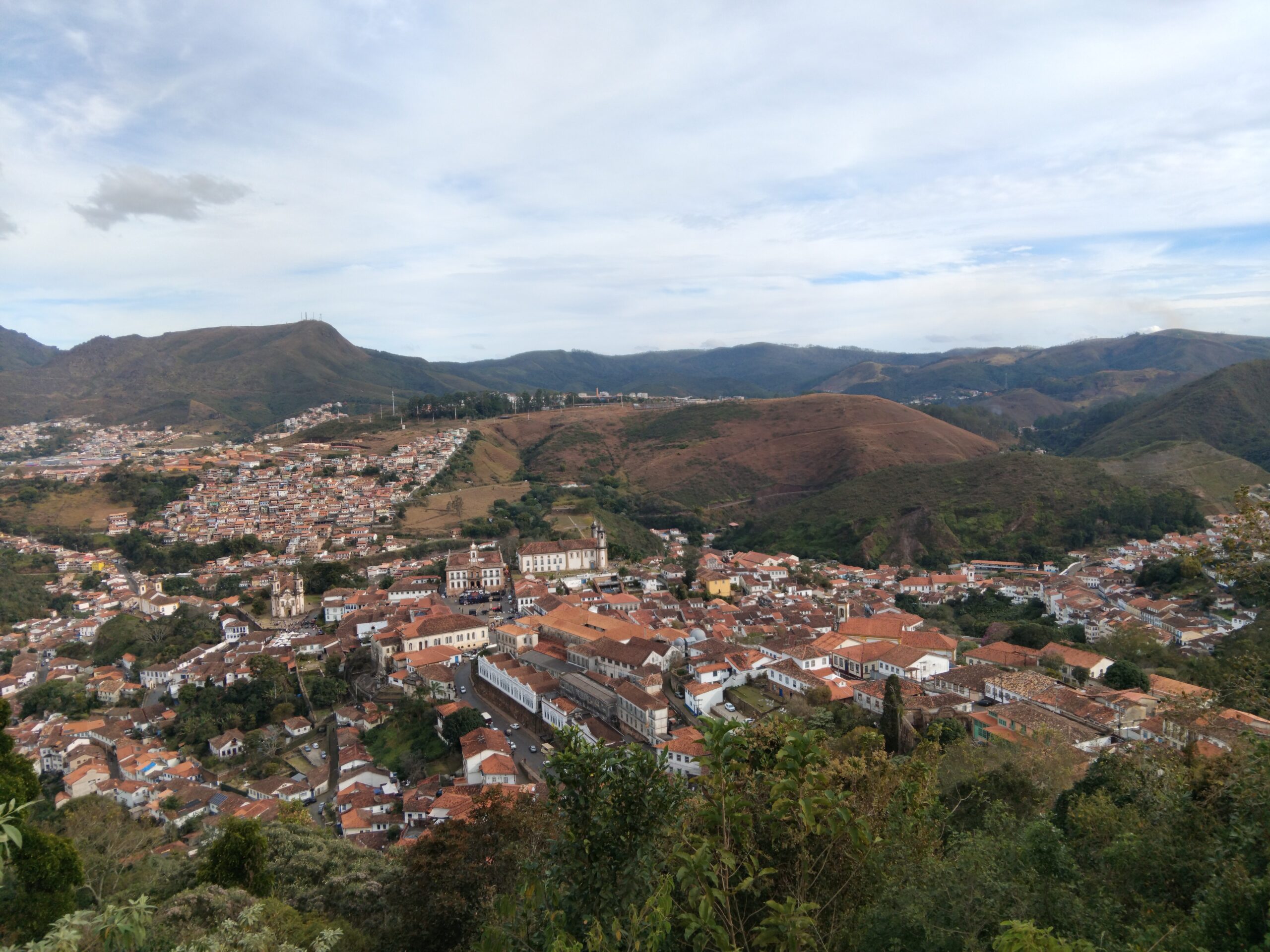
Mirante Getúlio Vargas is probably my favorite viewpoint in town. The photo below that I took only captures one direction. Turn the camera around, and you’ll see another side of Ouro Preto surrounded by even more rolling hills. Morro São Sebastião offers a great bird’s-eye view of the entire town as well, but getting there requires a tough uphill walk.
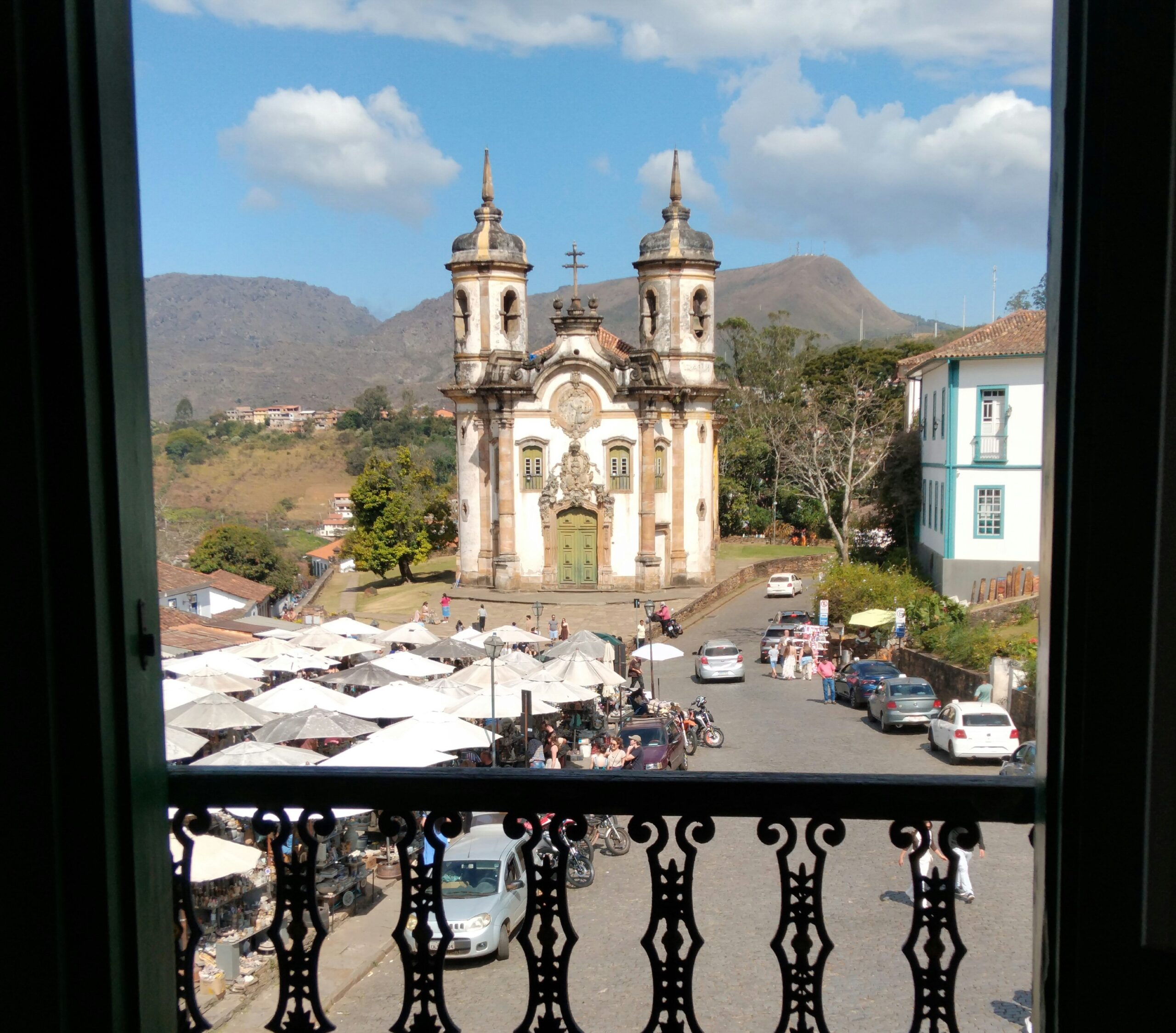
My third recommendation is Casa de Gonzaga, a public cultural house. The colonial building was the home of prominent poet Tomás Antônio Gonzaga in the late 18th century. Upon entering, go to the second floor to take in some nice views of the Church of Saint Francis of Assisi. Continue up the stairs to the rooftop, revealing the surrounding hillside.
MUNICIPAL THEATER – CASA DA ÓPERA
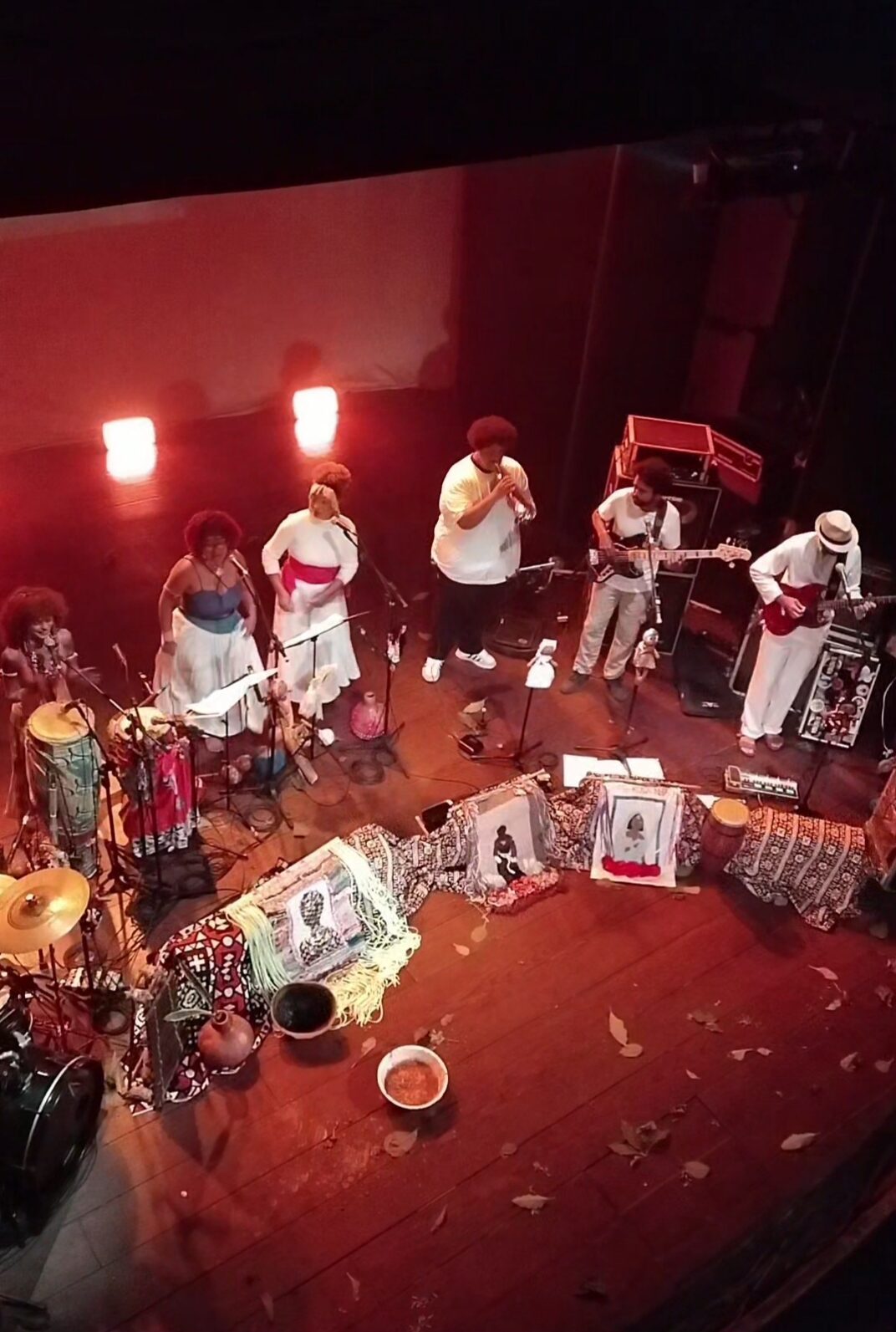
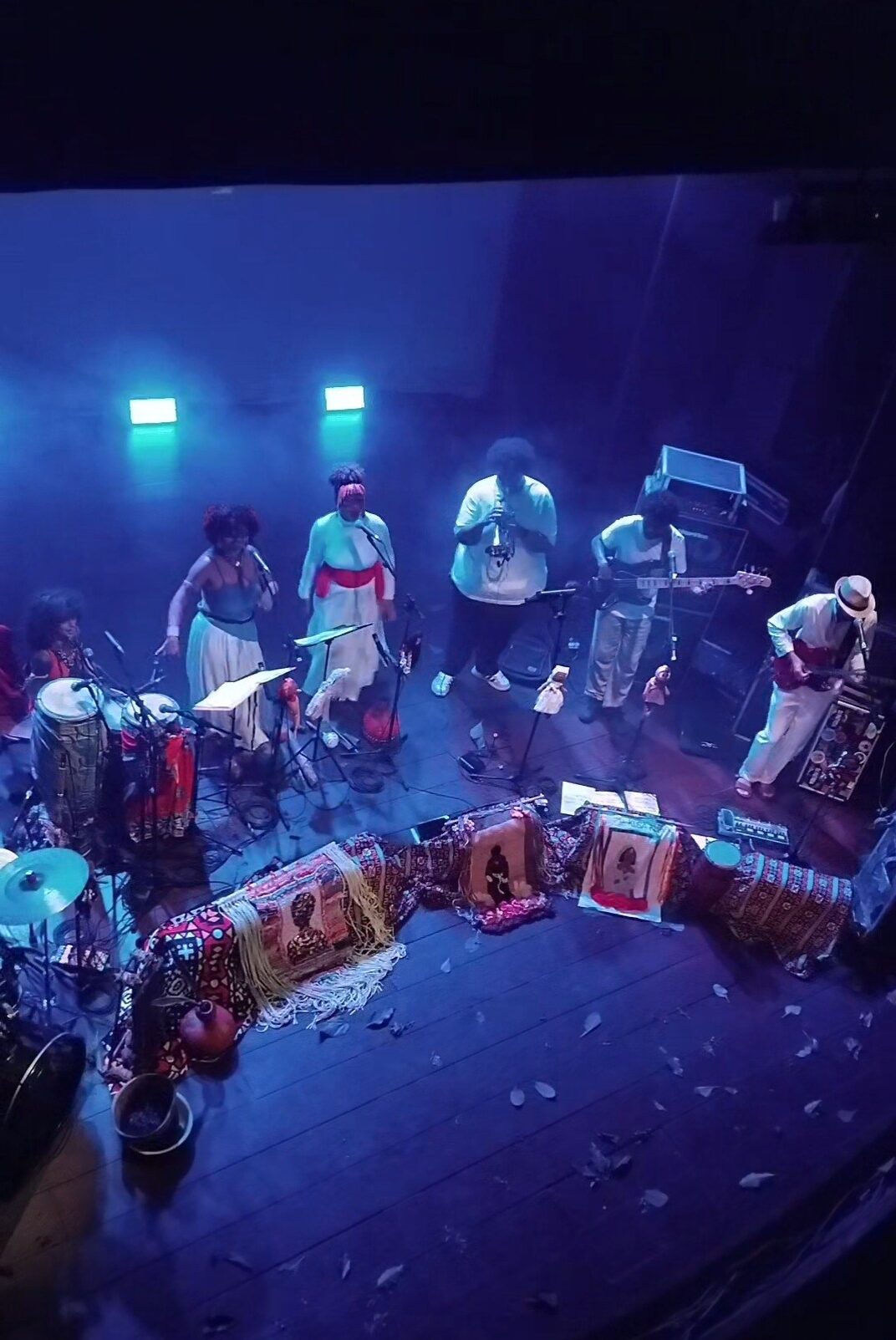
Casa da Ópera (Instagram for performance info) is in the center of town and the oldest functioning theater in the Americas. It features dramatic or comedic plays, readings, poetry performances, regional and contemporary dance, operas, classical and instrumental music concerts, and shows featuring MPB, jazz, and choro.
MUSEU DA INCONFIDÊNCIA
(Pardon me for not taking any photos here.)
Situated in Tiradentes Square, this historic museum is dedicated to the rebels who lost their lives during the failed movement for Brazilian independence. Built between 1784 and 1854, the building once served as a jail. Inside, you’ll find the tomb of Tiradentes, documents related to the Inconfidência Mineira, important works by notable figures, as well as weapons and instruments of torture.
ENTRY IS FREE — Hours of operation: 10:00 AM to 6:00 PM Tuesday through Thursday and Sunday; 10:00 AM to 8:00 PM Friday and Saturday. LAST ADMISSION IS ONE HOUR BEFORE CLOSING TIME.
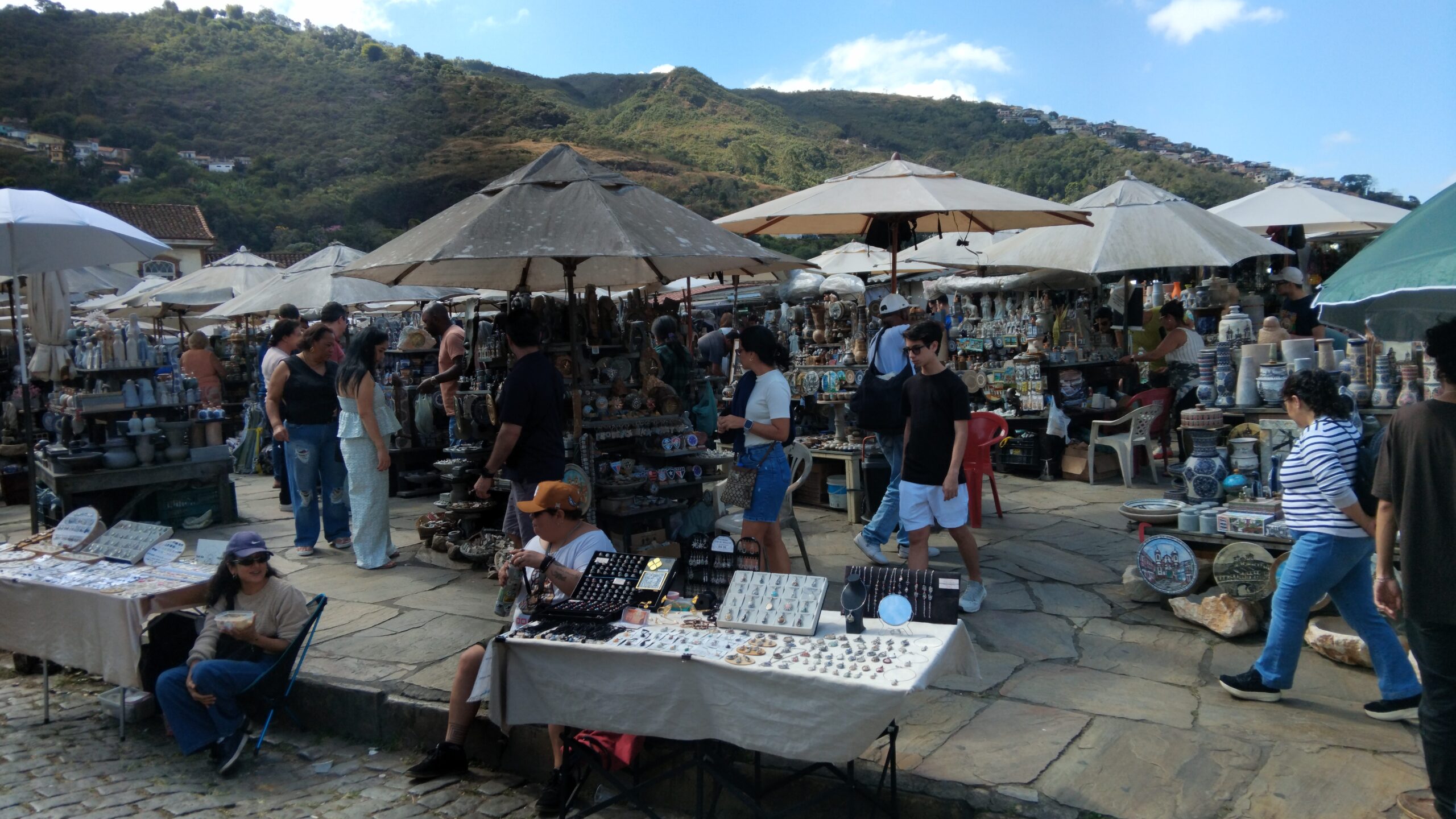
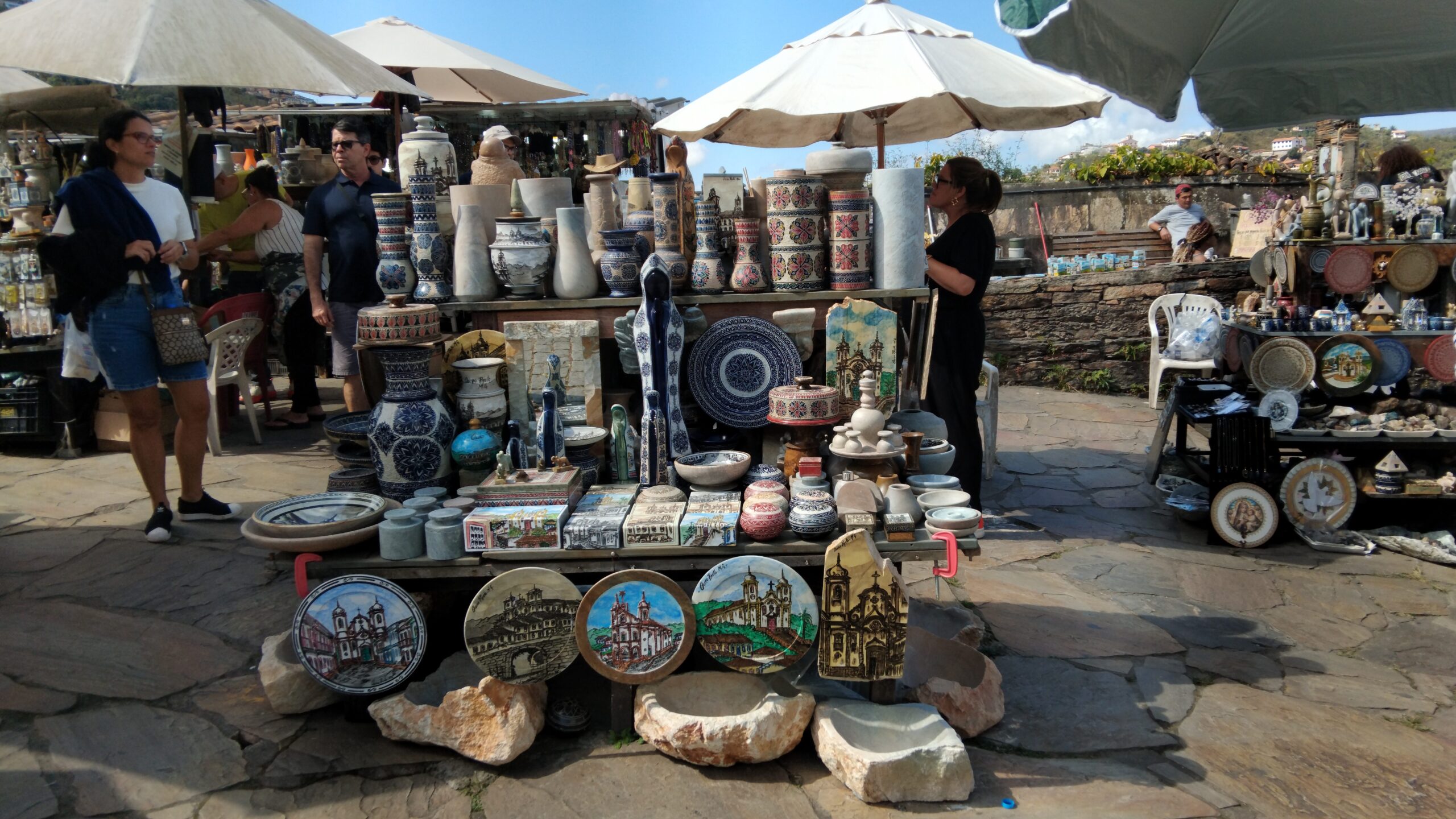
FEIRA DE ARTESENATO DE OURO PRETO
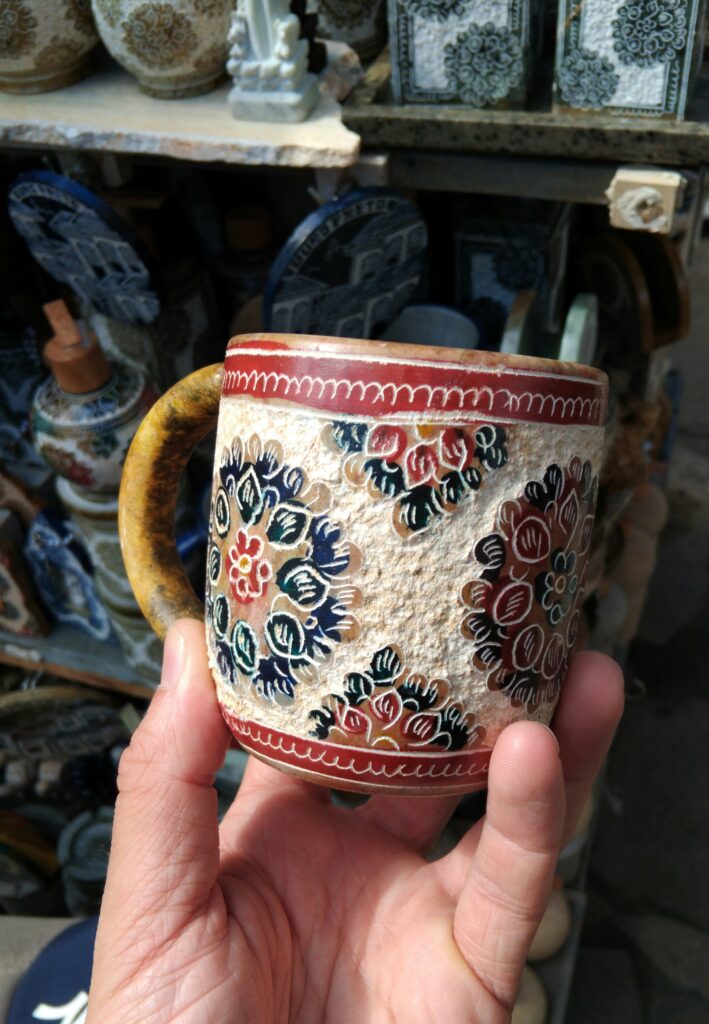
This market is open daily from 9:00 AM to 6:00 PM. You’ll find an assortment of handcrafted items, souvenirs, jewelry, and artwork. Just across the street, you’ll find Mirim Santos, an artist and kind historian painting away in his chair.
Conlusion
Ouro Preto is a must-see. Most foreign tourists skip this part of Brazil, but you shouldn’t.
THANKS FOR READING!