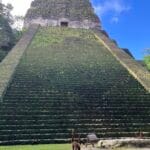
Before my last trip abroad, I did a lot of research on Maya ruins throughout Central America before deciding to visit Tikal National Park in Guatemala.
It was the correct choice. This place was amazing.
Hidden within the rainforest of northern Guatemala, Tikal was one of the most important cities of the ancient Maya civilization. It developed into a major political, economic, military, and ceremonial center, with enormous temples, palaces, plazas, residences, roads, and other structures spread throughout the site.
One of the things that makes Tikal so special is that the archaeological site and rainforest are experienced together. You’re not just walking between ancient temples. You’re walking through the jungle, hearing howler monkeys in the trees and seeing wildlife wandering around the ruins.
Here are a few quick tips from my experience to help make your visit to Tikal worth it.
Find the Best Tikal Tour Guide You Can Afford
Knowing the history behind an archaeological site of this importance will greatly enhance your experience.
I suggest being diligent when searching for the best guide within your budget. Try to find someone knowledgeable and entertaining who can explain not only the Maya history but also the rainforest and wildlife surrounding you.
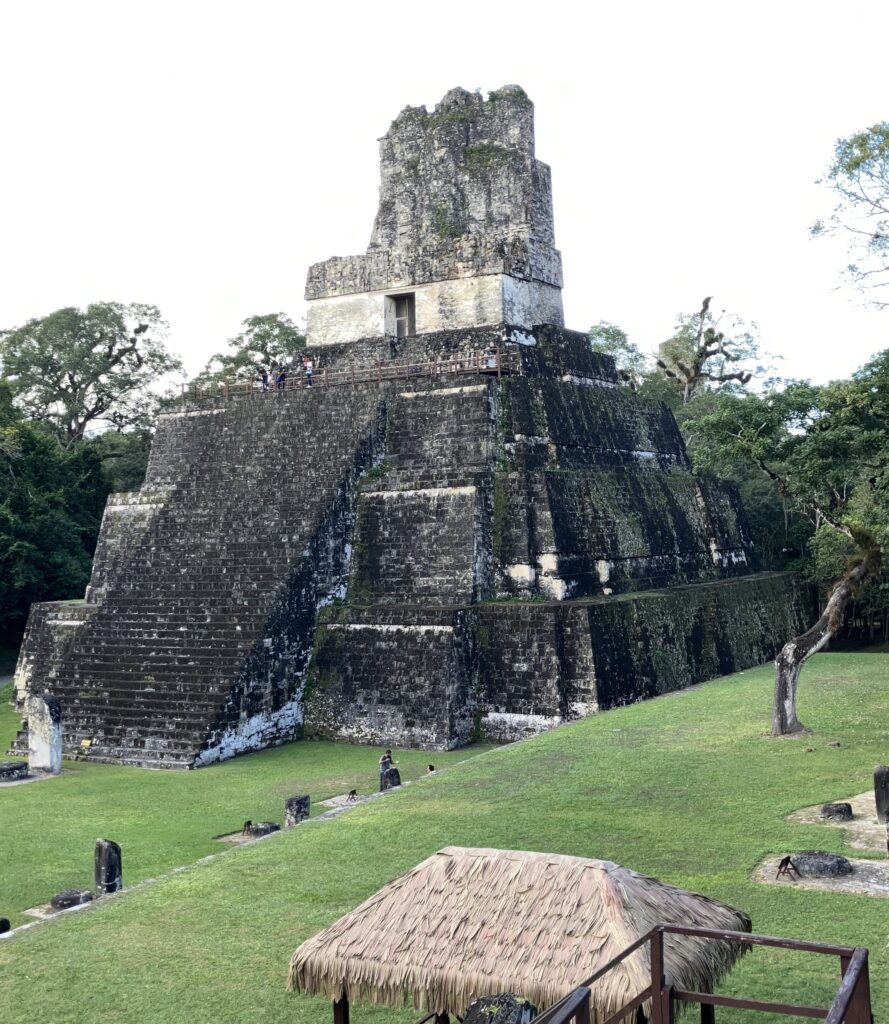
Tikal wasn’t simply a collection of identical pyramids. Different parts of the city served different political, residential, ceremonial, and funerary purposes. The temples and other structures evolved over centuries as Tikal grew into one of the most powerful cities in the Maya world.
Unfortunately, I no longer have my guide’s contact information to share. If you don’t speak Spanish, make sure the guide you hire is fluent in English.
Book a Tikal Sunrise Tour
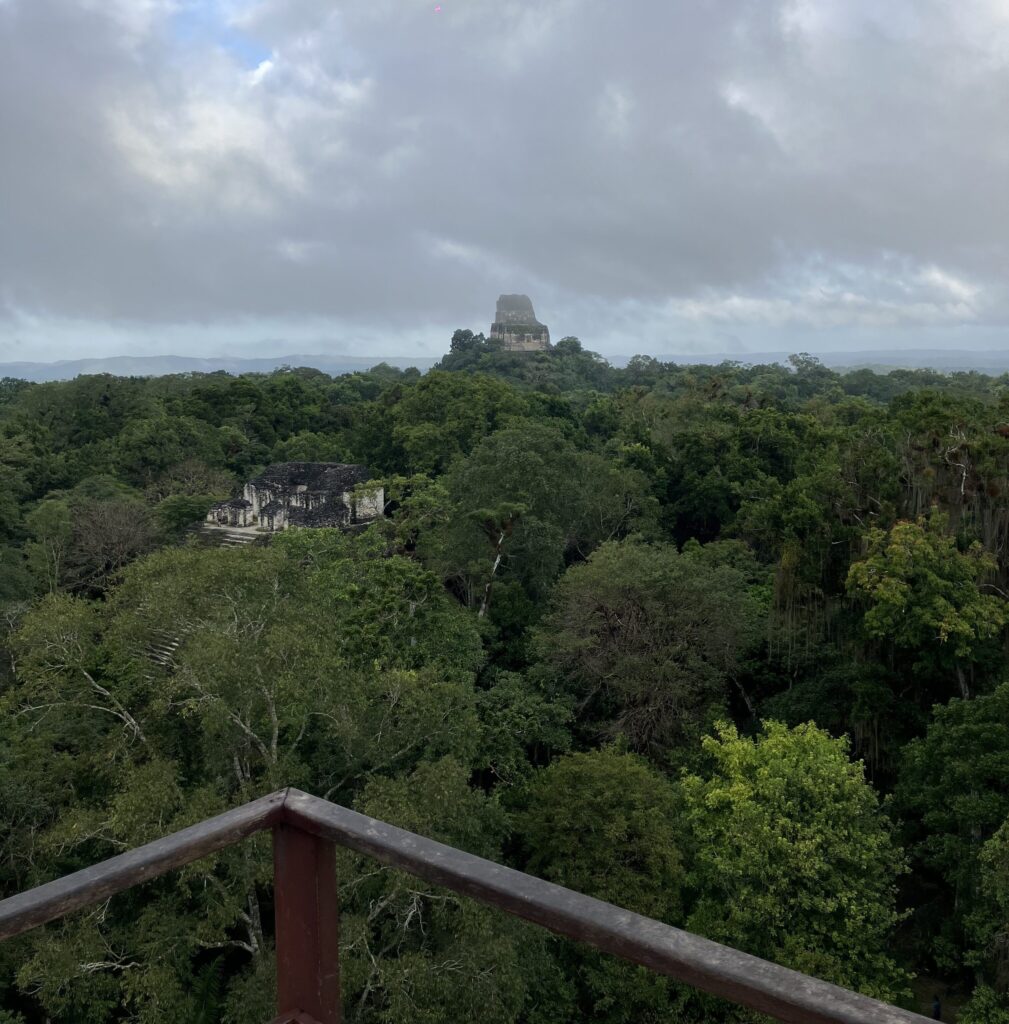
If you’re willing to wake up extremely early, I highly recommend experiencing Tikal at sunrise.
Our guide led us down a trail through the rainforest in complete darkness before dawn. Along the way, he taught us about the environment around Tikal and even showed us a tarantula living inside a small hole near the base of a tree. We watched it emerge from its hiding place before continuing toward the ruins.
Eventually, we reached the temples and climbed one of the structures that visitors were permitted to access. We sat high above the rainforest as morning arrived.
This was probably my favorite part of visiting Tikal. The sunrise experience also ended up being one of my favorite tours from my travels.
As the sky became brighter, the rainforest started to “wake up.” We could hear insects, birds, and especially howler monkeys coming to life throughout the forest. From high above the canopy, you begin to appreciate the scale of the ancient city and the enormous height of its temples.
The Maya built some of Tikal’s temples high enough that their summits still rise above the surrounding rainforest canopy. The city itself had no nearby river, so its inhabitants developed reservoirs and systems for collecting and storing water. Tikal nevertheless became one of the most important political and military centers of the ancient Maya world.
The morning can also be a little brisk before sunrise, so bring a sweater or light jacket.
Sunrise admission is separate from regular park admission, and visitors entering Tikal for sunrise must be accompanied by an authorized guide.
CHOOSE A SMALL-GROUP SUNRISE TOUR
If possible, book a small or medium-sized group.
You’ll have more opportunities to hear what your guide is saying, ask questions, stop when something interesting appears, and learn about the archaeological site without constantly being rushed along with a huge crowd.
For a place as historically significant as Tikal, having access to a knowledgeable guide makes a difference.
Stay in Flores Before Visiting Tikal
Flores is one of the most convenient places to stay when visiting Tikal. The small city sits on an island in Lake Petén Itzá in northern Guatemala and serves as a popular base for travelers exploring the region.
Tikal is about 64 kilometers from Flores, so you’ll still have a drive ahead of you. If you’re doing the sunrise tour, expect an extremely early departure because you need to reach the park before dawn.
Staying in Flores makes the logistics much easier. You can arrange transportation or a tour from town, get some sleep, and leave early in the morning rather than adding even more travel to an already long day of walking around Tikal.
I stayed at Los Amigos Hostel and recommend it for backpackers. It’s located on the island of Flores and has been operating since 2003. Today, it offers dorms and private rooms along with a communal kitchen, Wi-Fi, lockers, a restaurant and bar, and 24-hour reception.
Los Amigos also operates a travel agency and currently offers Tikal tours, although I personally found my guide independently and would recommend comparing your options rather than automatically booking through your accommodation. I traveled to Flores from Guatemala City by bus, which is a common option for backpackers making their way through the country. If you’re considering the same route, check out my tips for long-distance bus travel in Latin America before making the journey.
Visit Tikal During Dry Season
This is generally between November and April.
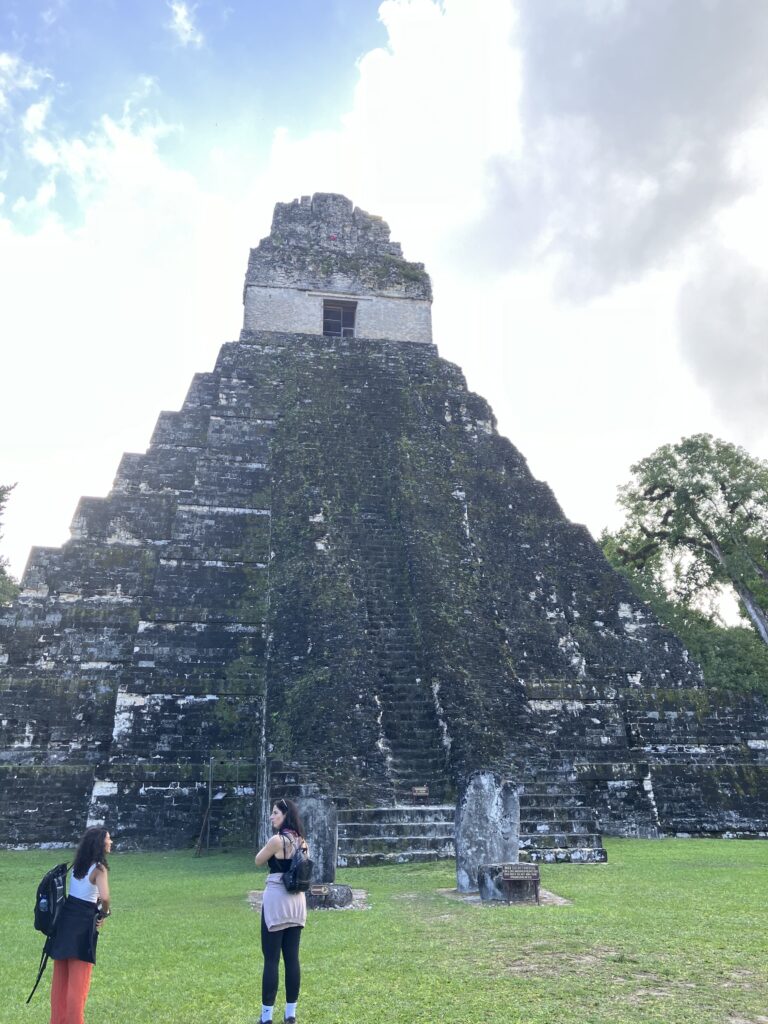
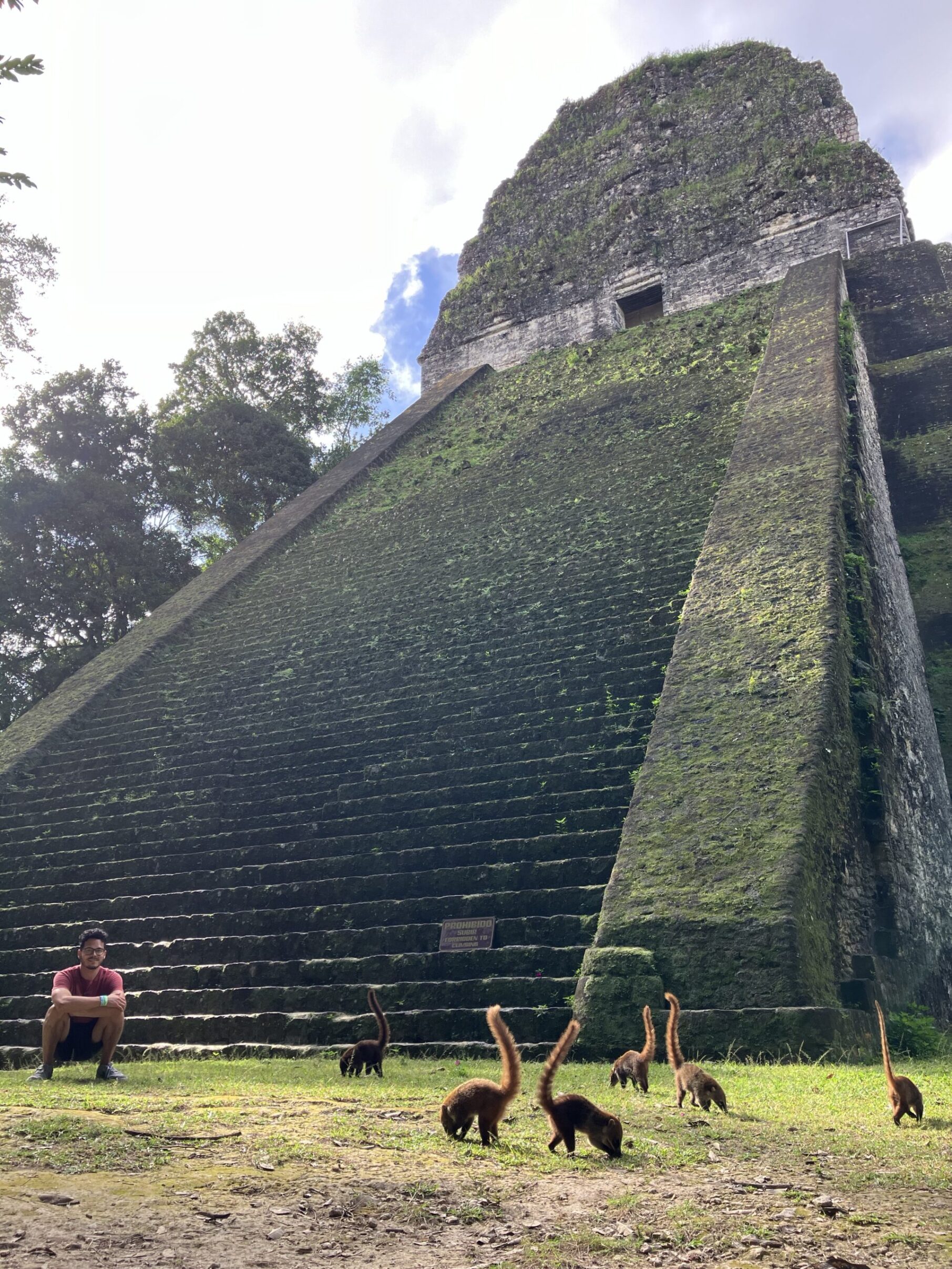
If you have flexibility, the drier part of the year can make exploring Tikal more comfortable.
You’ll spend a lot of time outside walking between ruins and through rainforest trails, so weather can make a major difference in the experience.
Even during the drier months, you’re still visiting a tropical environment. Bring sun protection and prepare for heat later in the day.
Bring Your Passport & Check Current Tikal Entrance Fees
Don’t forget your passport or other documentation required for your ticket.
For foreign visitors, regular admission to Tikal National Park is currently Q150. Sunrise admission costs an additional Q100, meaning a foreign visitor doing the sunrise experience should currently expect Q250 in park admission fees, separate from whatever you pay for your guide or transportation.
The sunrise ticket does not include a guide. An authorized guide must be arranged separately for sunrise access.
You can currently purchase official Tikal tickets online, so I recommend checking the latest admission requirements and prices before your visit rather than relying on old information from travel blogs.
Bring Food, Water, and Insect Repellent
Your tour may not include food, and you’re going to spend a lot of time walking. Even if lunch is included, I recommend bringing some snacks and enough water to stay comfortable throughout the tour. It can become hot as the day progresses.
I would also bring insect repellent and consider wearing long sleeves during the early-morning walk through the rainforest. Mosquitoes and other insects are part of the environment.
Enjoy the coatis!
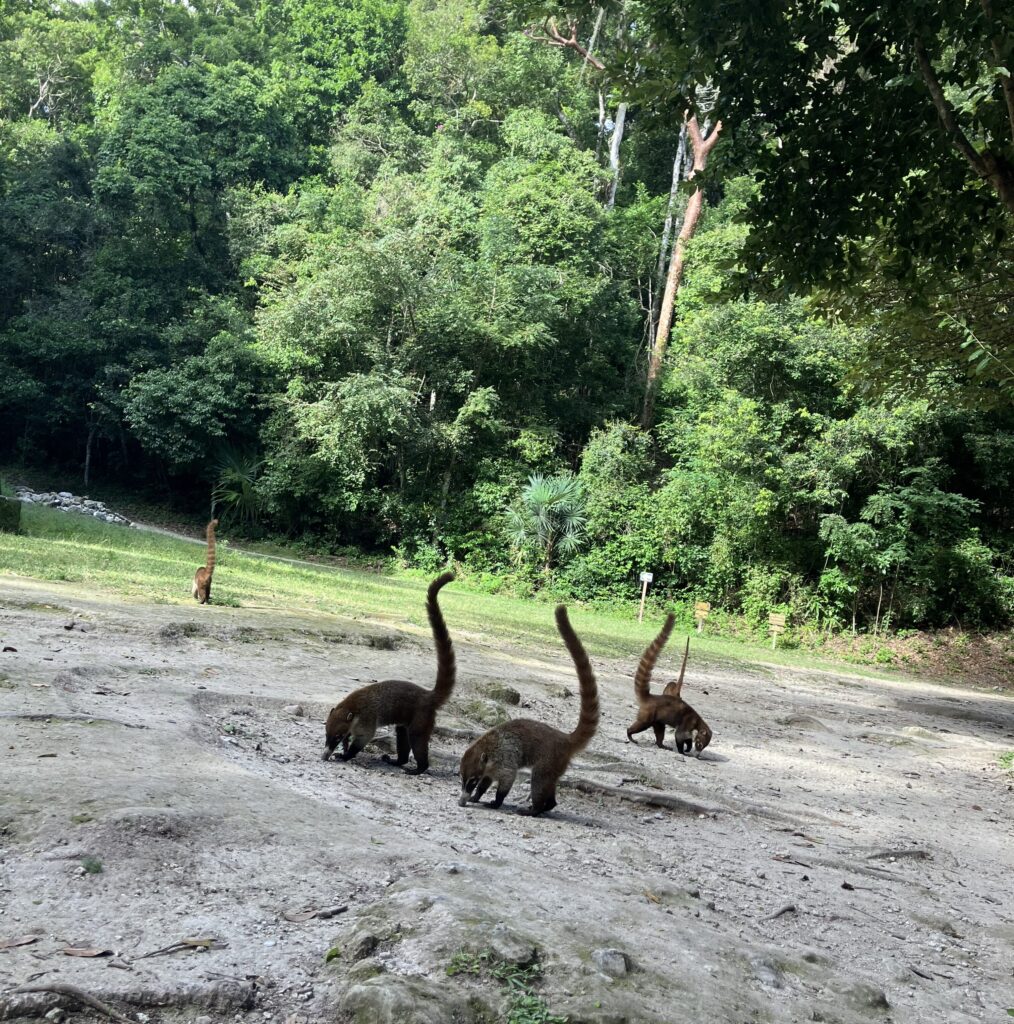
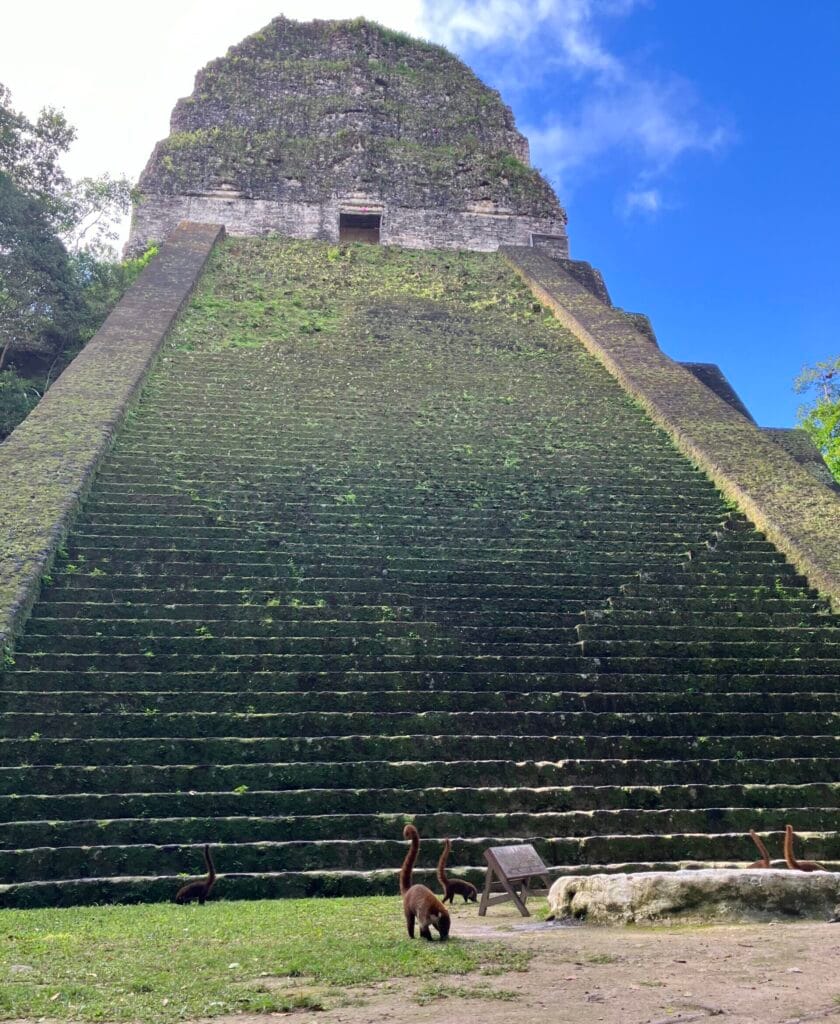
One of the animals you’re very likely to notice around Tikal is the white-nosed coati, also known as a coatimundi.
They’re relatives of raccoons with long noses and long tails, and they’re omnivores that forage for fruit, insects, roots, and other food. You’ll often see them wandering around the open areas and archaeological ruins at Tikal, sniffing through the ground for something to eat.
I saw them roaming directly around the temples and even climbing on parts of the ruins. They’re entertaining animals to watch and photograph, and seeing them casually wander through an ancient Maya city is another reminder that Tikal isn’t just an archaeological site. It’s located inside a living tropical ecosystem. That combination of wildlife, rainforest, and adventure is something I’ve experienced elsewhere in Central America too, including while backpacking around Ometepe Island in Nicaragua.
Enjoy watching them—but don’t feed them.