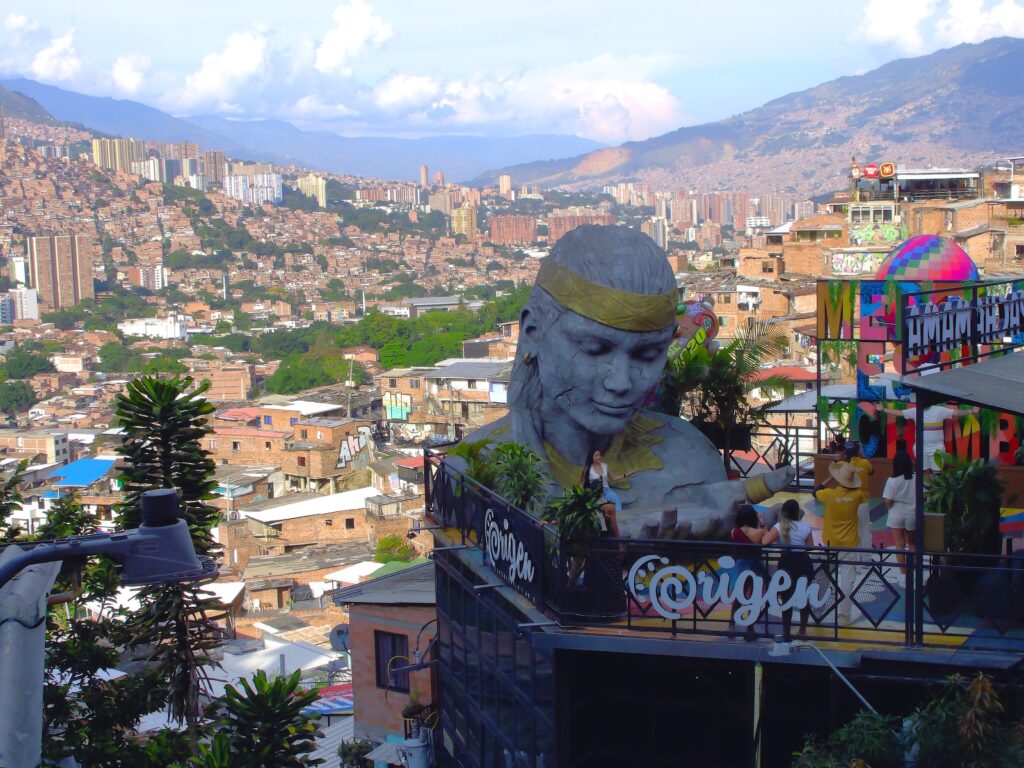
One of the most popular things to do in Medellín, Colombia, is visit Comuna 13. Once known primarily for violence and armed conflict, this hillside district has transformed into one of the city’s busiest tourist attractions.
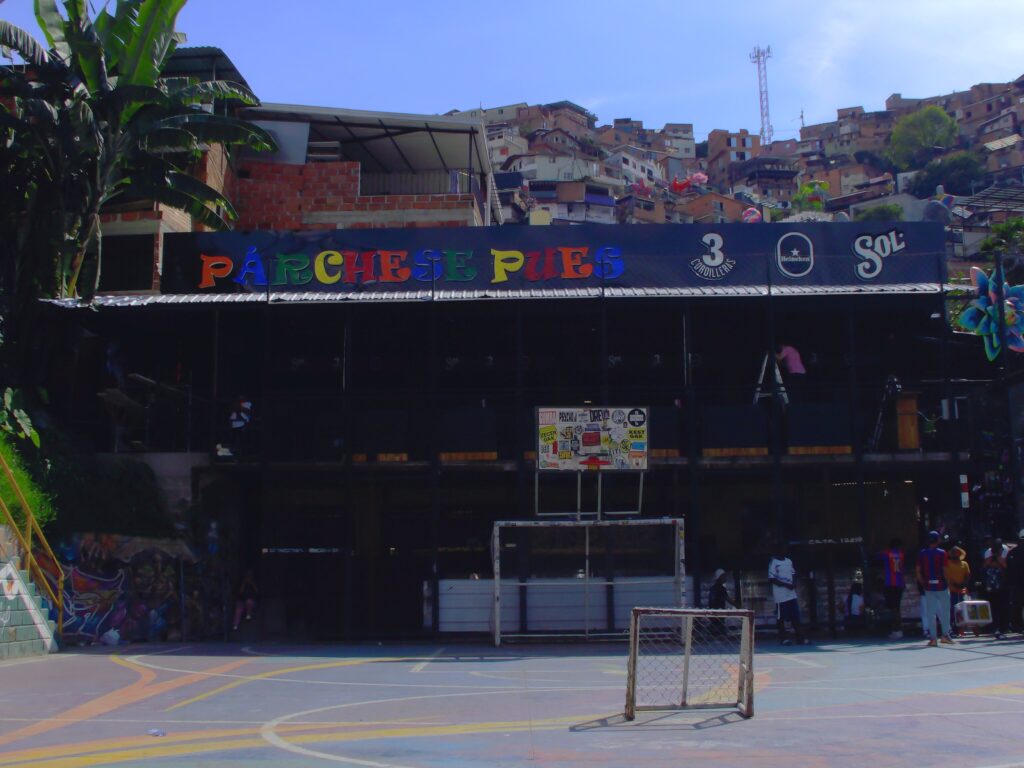
Today, the main tourist area is filled with colorful murals, outdoor escalators, viewpoints, breakdancers, musicians, restaurants, street food, bars, shops, and seemingly endless groups of visitors. It’s lively, crowded, commercial, fascinating, and unlike anywhere else I’ve visited in Medellín.
I’ve been to Comuna 13 twice under completely different circumstances. The first time, in 2021, I explored it with a couple of local friends who lived in Medellín. The second time, in January 2026, I returned and took an organized tour shortly before leaving the city for Jardín, one of my favorite small towns in Colombia and a completely different side of Antioquia.
Ironically, I enjoyed my informal first visit much more.
Here I’ll explain what visiting Comuna 13 is actually like, whether I think it’s worth visiting, whether you should take a tour, and what I learned from my own experiences.
What Is Comuna 13?
First, a comuna in Medellín is an administrative district consisting of multiple neighborhoods. Medellín is divided into 16 comunas, many of which stretch into the hills surrounding the city.
Comuna 13, also known as San Javier, has a particularly complicated history. For years, different armed groups fought for control of the area, and residents lived through an extremely violent period in Medellín’s recent history. In 2002, Comuna 13 was the site of Operation Orión, a major and controversial military operation that remains an important part of the community’s historical memory.
The Comuna 13 that tourists encounter today looks dramatically different.
One of the most visible symbols of this transformation is the system of outdoor escalators built to improve mobility for residents living on the area’s steep hillsides. The escalators began operating in 2011 and eventually became an attraction themselves.
Along with the murals, music, dance, viewpoints, small businesses, and growing tourism industry, they’ve helped turn this section of Comuna 13 into one of Medellín’s most recognizable destinations.
It’s important to remember, however, that you’re not walking through an amusement park or an outdoor museum. People live here.
What Is Visiting Comuna 13 Like?
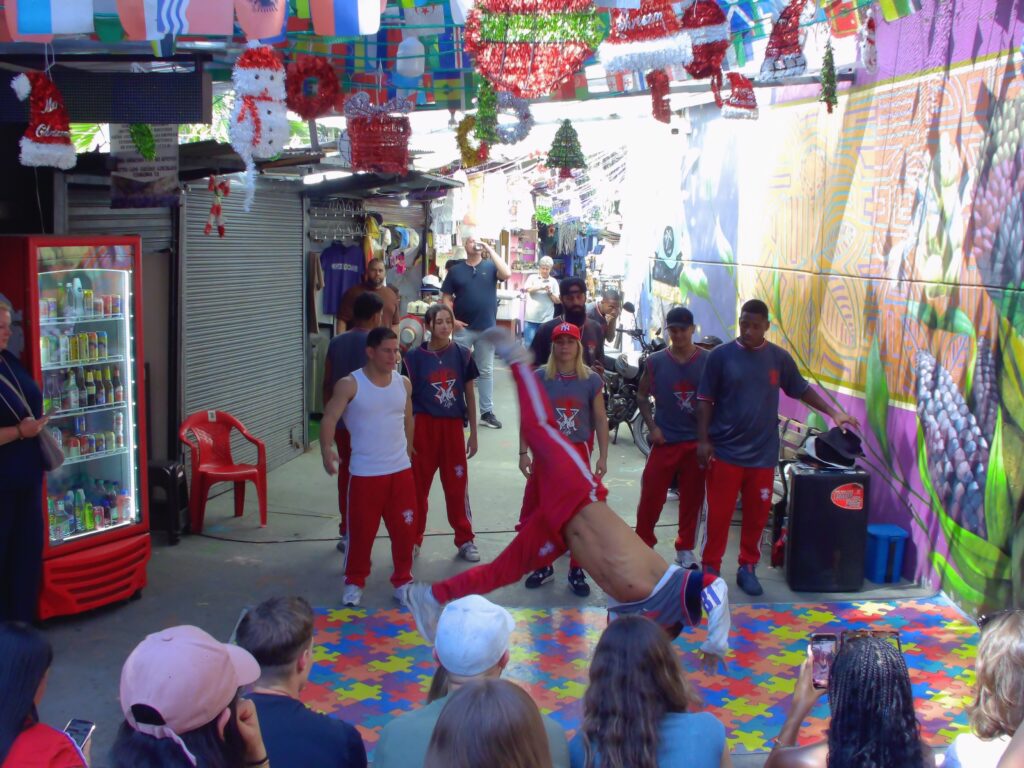
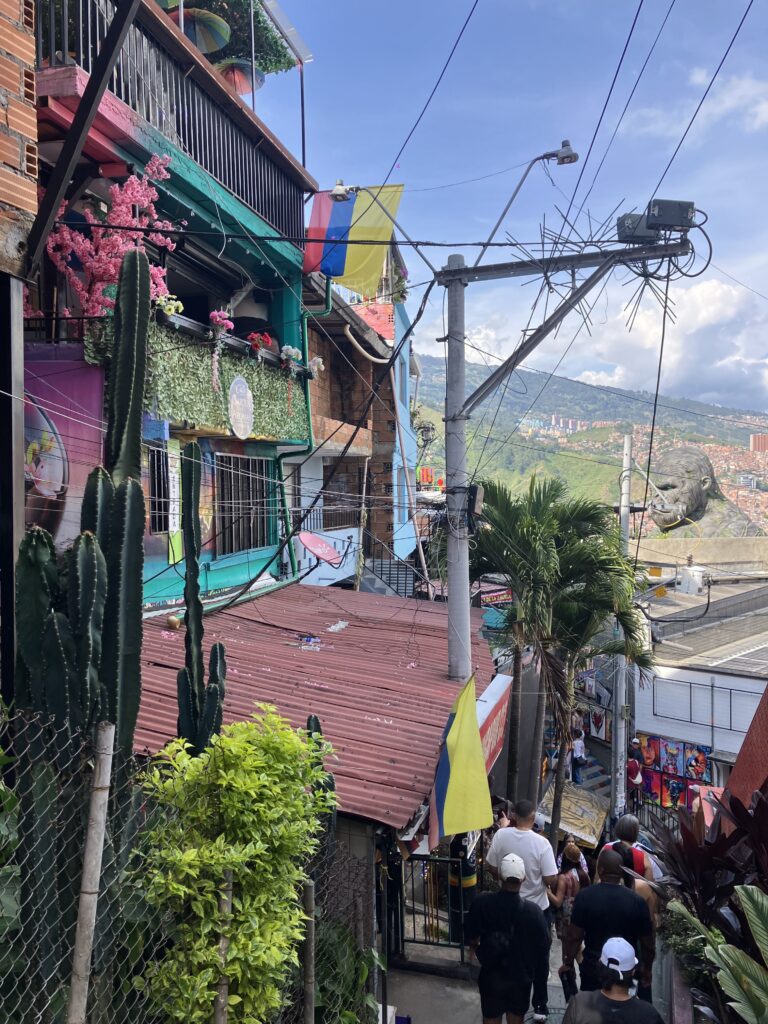
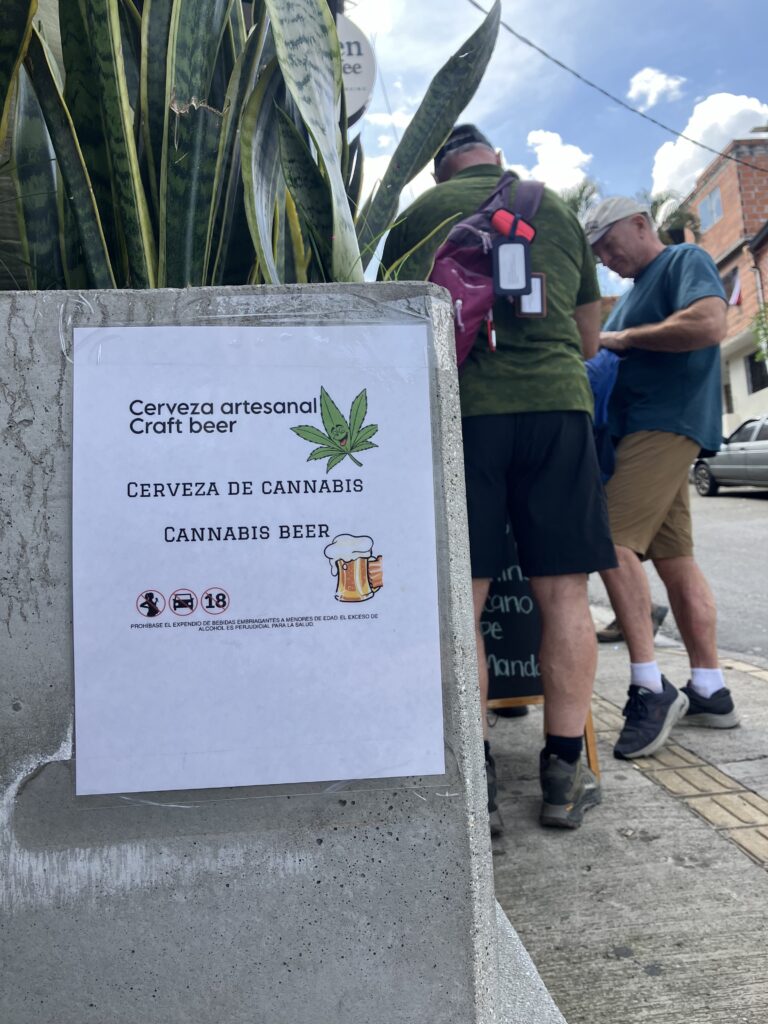
I found Comuna 13 to be a charmingly unique and engaging environment that’s constantly bustling with activity. The lively atmosphere and colorful landscape are stimulating for the senses.
There are breakdancers, artisanal shops, restaurants, singers, street-food vendors, bars, murals, viewpoints, and tons of visitors. There’s almost always something happening. I didn’t mind the crowds or the constant rotation of tour groups either.
The main tourist area is certainly commercialized. At times, it can feel almost like a presentation, so travelers looking for something completely untouched by tourism may find it a little too polished.
For me, that wasn’t bothersome.
I still felt a distinctly Colombian atmosphere, and I never got the impression that vendors were aggressively trying to take advantage of visitors. Tourism has also created income and opportunities for residents and local businesses, so I don’t have a problem spending money within the community.
If you want to escape the busiest streets, there are residential areas, parallel streets, and callejones beyond the principal tourist corridor. Just remember that you’re entering residential neighborhoods rather than another extension of the attraction.
Is Comuna 13 Worth Visiting?
Yes.
Even with the crowds and commercialization, I think Comuna 13 is absolutely worth experiencing if you’re visiting Medellín.
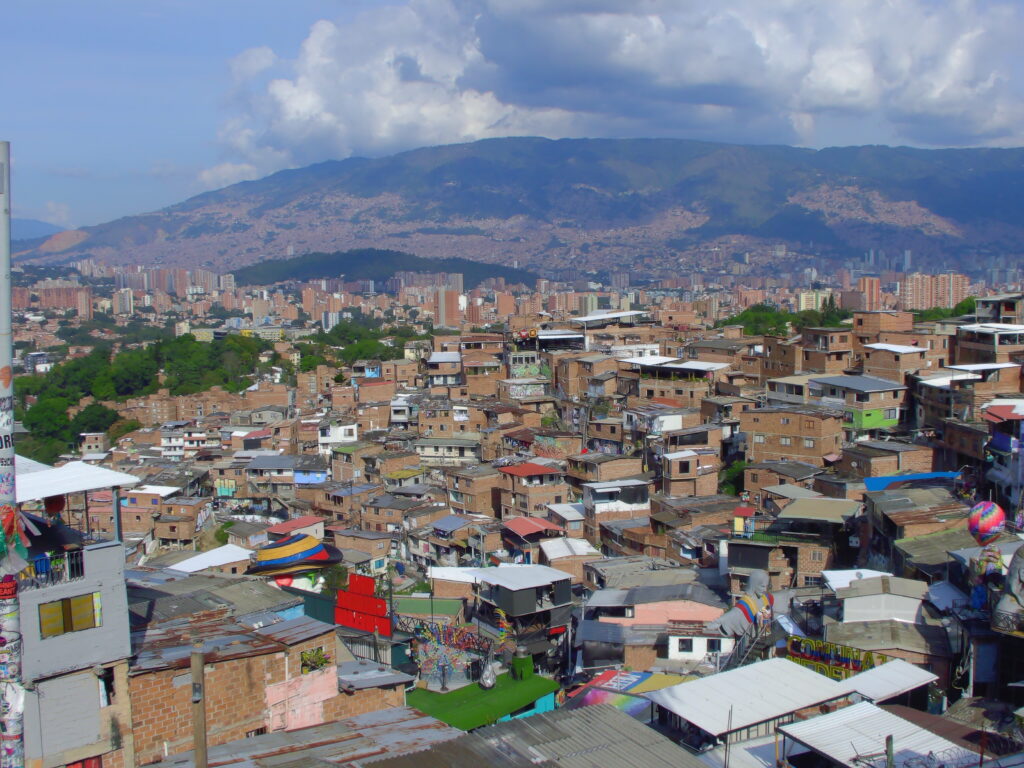
Part of what makes it interesting is actually the contrast. You’re walking through a real hillside community that has also become one of the biggest attractions in the city. Street art, tourism, residential life, difficult history, music, entrepreneurship, and huge groups of visitors all occupy the same space.
I wouldn’t visit expecting some undiscovered neighborhood that few foreigners know about. Those days are gone. Go because it’s energetic, visually fascinating, historically important, and an interesting example of the enormous changes Medellín has experienced. Comuna 13 is also just one of many worthwhile experiences around the country. If you’re planning a longer trip, check out some of my favorite things to do in Colombia for more ideas.
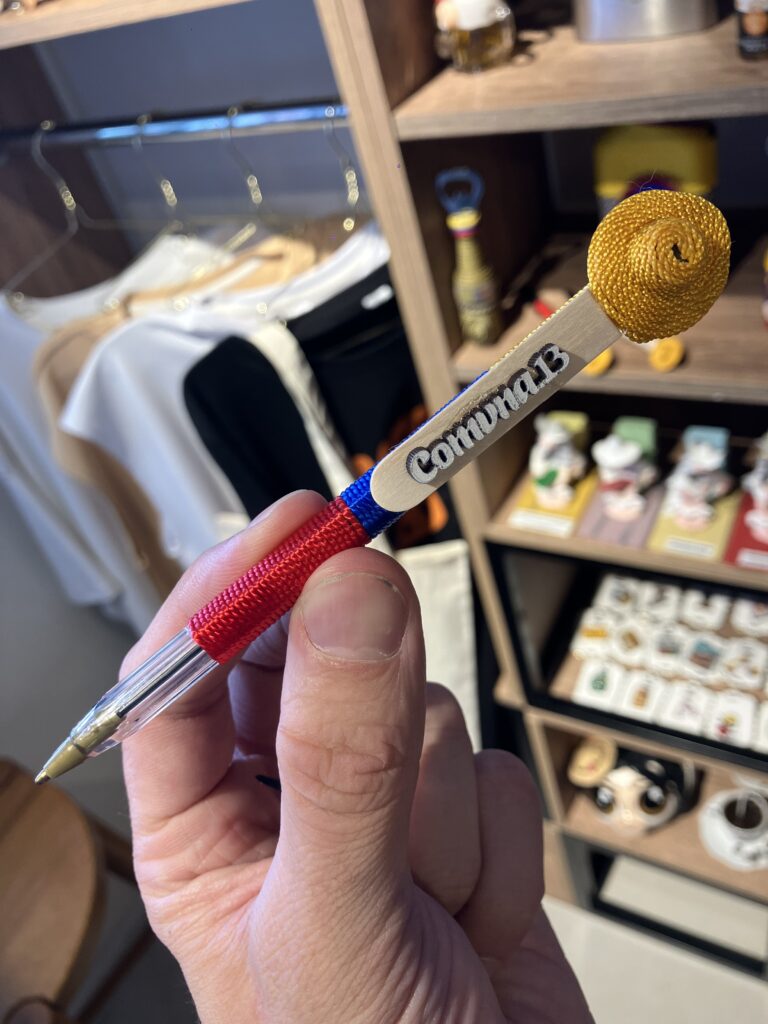
Should You Take a Comuna 13 Tour?
The short answer is maybe—if you do, make sure it’s the right one.
A guide can give context to the murals, history, community, and transformation that you simply won’t get by walking around and taking pictures. However, my own experience also taught me that a tour isn’t automatically worthwhile just because it has excellent reviews.
When choosing one, I’d look for a tour that has been personally recommended by someone who actually took it, is run or recommended by a credible local organization, or gives you a clear idea of who your guide will be and what the tour focuses on. Some of the best guided experiences I’ve had while traveling are included in my favorite tours from around the world.
Longer tours can be particularly interesting because they have enough time to go beyond walking through the main tourist corridor. Depending on the operator, tours may focus on graffiti and street art, community history, neighborhood transformation, food, music, or interaction with local residents.
Some also incorporate Medellín’s public transportation system or a Metrocable ride.
I’ve previously taken walking tours in Colombia with Beyond Colombia and had excellent experiences with them. They currently offer a Comuna 13 tour as well, although I didn’t know about it when I booked the tour I eventually took.
OTHER COMUNA TOURS IN MEDELLÍN
Comuna 13 isn’t the only place where you can experience Medellín’s residential neighborhoods and learn about the city’s transformation.
Real City Tours, for example, offers a tour through Comuna 4 and Moravia with a local community leader. It’s specifically positioned as a less-commercial alternative for travelers interested in understanding everyday life and community transformation beyond Comuna 13.
I’ve also met travelers who took a much more informal private tour in Comuna 9. Their guide had firsthand experience with the criminal network that once controlled the area, which gave them a very different perspective on Medellín’s history.
I don’t have his contact information and can’t personally recommend that particular tour, but their experience demonstrated something important: Medellín’s story extends far beyond Comuna 13.
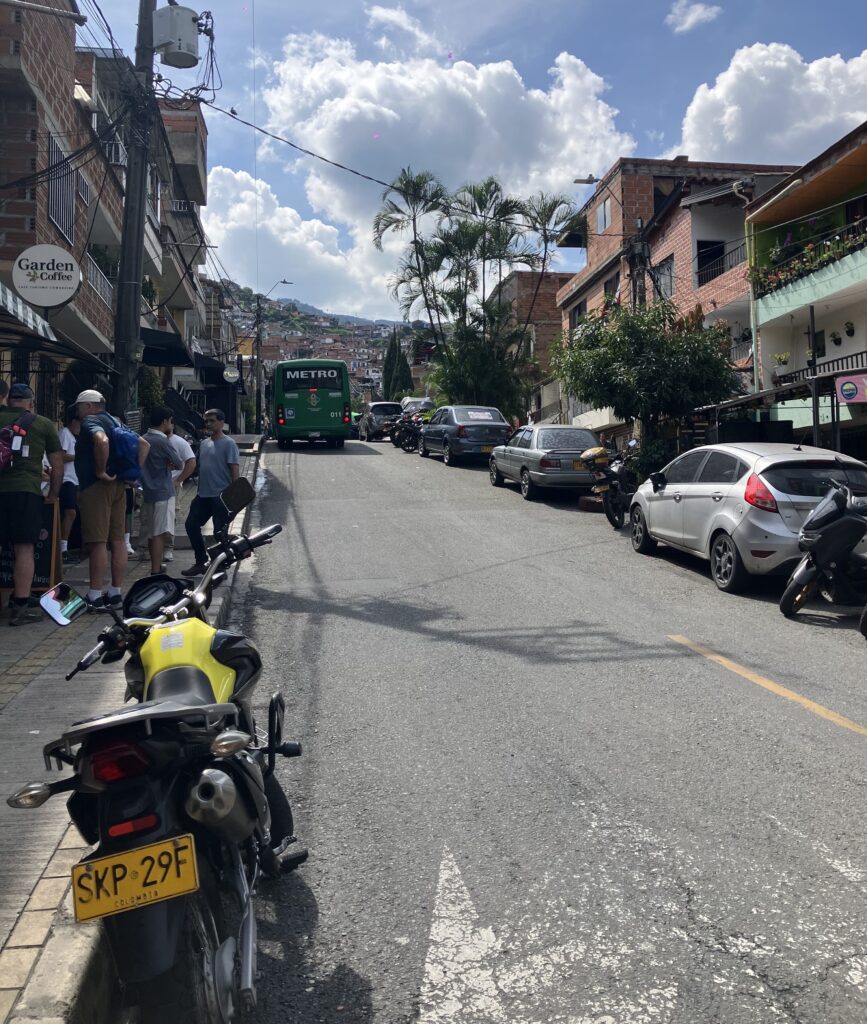
My Comuna 13 Tour Experience
The first time I visited Comuna 13 was in 2021 with a couple of local friends who lived in Medellín and were familiar with its general history. We simply walked around while they told me about the area.
Believe it or not, I enjoyed that visit more than the official Comuna 13 tour I took in January 2026.
For my second visit, I booked a tour through Viator. I rarely use the website, but this particular tour had more than 1,500 reviews and a 4.8-out-of-5 rating. At only $16, I figured it was worth trying.
I still don’t understand those reviews.
The tour lasted about two hours, and I found it boring. Maybe I simply had a bad guide. As we walked, she rushed through information, talked extremely fast, and regularly seemed out of breath. We stopped for a couple of snacks at a tiny restaurant, but even that somehow dragged on for around 30 minutes.
The whole experience had a somewhat serious and hurried vibe.
Ironically, the most interesting information was given to us during the introductory meeting at a café before the walking tour even started.
After that, I honestly don’t remember much of what she told us besides some background about the graffiti and one well-known artist. The tour could have lasted 20 minutes at the café and ended there.
I’m not saying this to discourage you from taking a Comuna 13 tour. Actually, I recommend doing one.
My point is the opposite: the guide matters.
A place with this much history deserves someone capable of bringing that history to life.
Is Comuna 13 Safe to Visit?
The principal tourist corridor of Comuna 13 feels completely different from the area’s violent reputation of decades past. It’s heavily visited, filled with businesses and tour groups, and tourism is now an important part of the local economy.
That doesn’t mean I’d treat every part of Comuna 13 exactly the same.
If you venture beyond the main tourist area, you’ll find residential streets and narrow callejones that can quickly become confusing. I enjoyed seeing some of this side of the comuna, but I’d use normal big-city awareness and be more cautious about wandering through unfamiliar residential areas alone—especially after dark.
If you’re a foreign visitor who doesn’t speak Spanish and doesn’t know Medellín well, I’d stick to the main areas or explore farther with someone who knows the neighborhood.
The main thing is not to confuse “Comuna 13 is now a major tourist attraction” with “every street in a large residential district should be treated like a tourist attraction.”
Those are two very different statements.
How to Get to Comuna 13
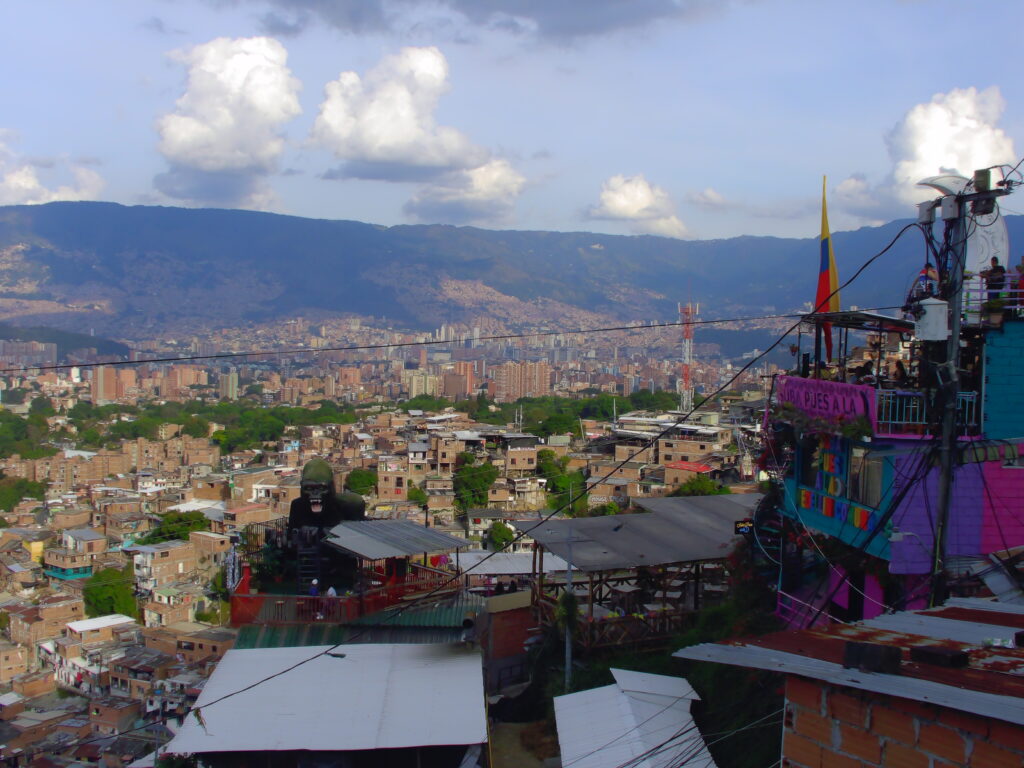
Comuna 13 is relatively easy to reach using Medellín’s public transportation system or by Uber/taxi.
The most common public-transit option is to take the Medellín Metro to San Javier Station. From there, you can continue toward the main Comuna 13 tourist area by bus, taxi/rideshare, or on foot.
Walking is possible, but expect roughly 30 minutes depending on your route and pace.
You can also take an Uber, taxi, or another rideshare service directly toward the tourist area if you want the simplest option.
RIDING THE METROCABLE FROM SAN JAVIER
If you haven’t experienced Medellín’s Metrocable system yet, I recommend incorporating it into the trip.
At San Javier Station, you can transfer to Line J, which travels uphill through Juan XXIII and Vallejuelos before reaching La Aurora.
You don’t need the Metrocable to reach the main Comuna 13 tourist corridor. Think of it instead as a scenic addition to your visit.
Ride uphill for the panoramic views across Medellín’s dense neighborhoods and mountainous landscape, then return to San Javier and continue toward Comuna 13.
Medellín’s cable cars aren’t merely sightseeing attractions—they’re part of the city’s public transportation network. Riding one also gives you a completely different perspective on the city’s geography and why transportation infrastructure has played such an important role in connecting its hillside communities.
Final Thoughts on Visiting Comuna 13
Comuna 13 is crowded. It’s commercialized. It’s touristic. I still really like it.
There is enough energy, art, history, food, music, scenery, and everyday activity packed into the area to make wandering around entertaining even without a tour. But understanding its history makes the experience considerably more meaningful.
That’s why I’d recommend doing both: take a good tour for the context, then give yourself some time to wander around afterward without following someone holding a flag.
I’ve visited Medellín multiple times, and it’s one of my favorite cities in Colombia. Comuna 13 is only one piece of what makes the city interesting, but it’s certainly one of the most memorable.
If you’re visiting Medellín for the first time, I wouldn’t skip it.