I’ve spent a total of about nine months in Colombia, and it’s safe to say that it’s one of my two favorite countries. Even after all that time, there’s still so much I haven’t seen, and I look forward to going back.
Colombia has an incredible amount of variety. You can hike through lush green valleys, relax in natural hot springs, explore Caribbean beaches and jungle, tour coffee farms, experience football with some of the most passionate fans imaginable, learn Spanish, dance salsa, listen to live rock music, and explore some truly unusual attractions.
A quick disclaimer: I only include places and activities that I know firsthand. This isn’t a list compiled from other travel guides. These are experiences I’ve actually had during my time traveling around Colombia.
Let’s get started!
1. Relax in the Hot Springs Around Manizales
Manizales is an Andean city in Colombia’s Coffee Region and an excellent base for exploring the mountainous landscapes surrounding Los Nevados National Natural Park, one of Colombia’s most distinctive high-altitude landscapes including snowcapped volcanoes, with peaks exceeding 5,000 meters.
One of my favorite experiences around Manizales, however, required considerably less physical effort: the hot springs.
Head into the mountains surrounding the city and you’ll find thermal waters surrounded by lush Andean scenery. Sitting in naturally heated water with green mountains rising in the distance is about as relaxing as it sounds.
Take a deep breath, exhale, and enjoy it.
2. Attend a Football Match in Medellín
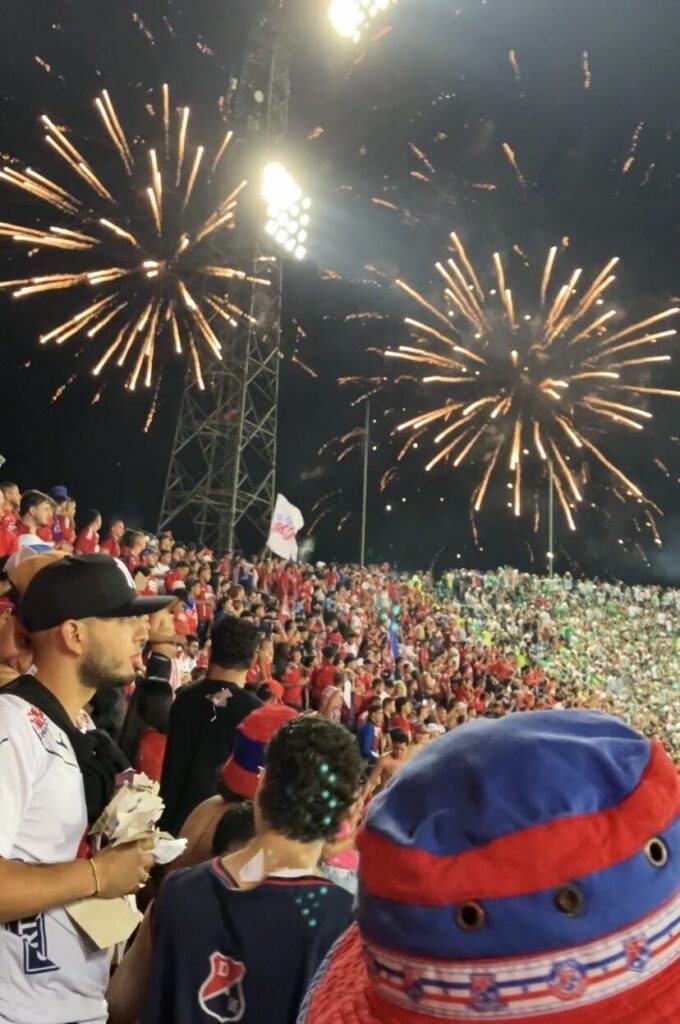
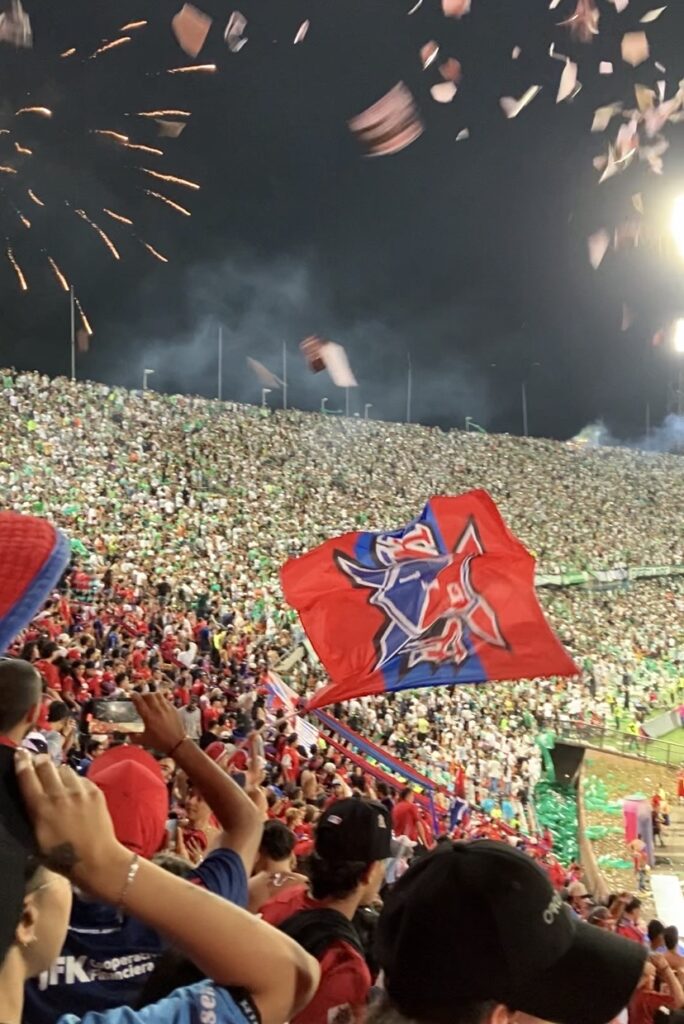
The first football—or soccer—match I ever attended was at Atanasio Girardot Stadium in Medellín.
To top it off, it was a clásico: a heated rivalry match.
The crowd was BANANAS.
The energy and passion were relentless and infectious, with constant chanting, massive flags, thousands of pieces of confetti flying through the air, and even a little pushing in the stands.
Atlético Nacional is one of Medellín’s major clubs and plays its home matches at Atanasio Girardot. If you’re a football fan and there’s a match happening while you’re in town, try to experience one.
Even as someone attending his first football match, I immediately understood why the sport inspires this level of passion.
3. Take a Coffee Farm Tour in Colombia
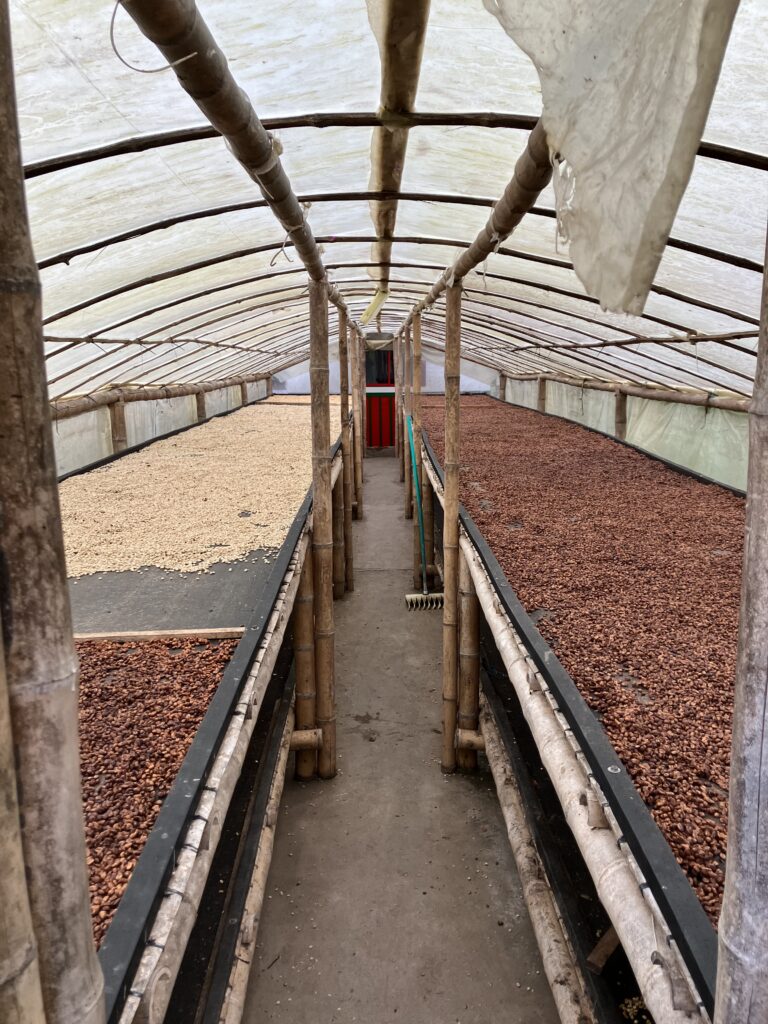
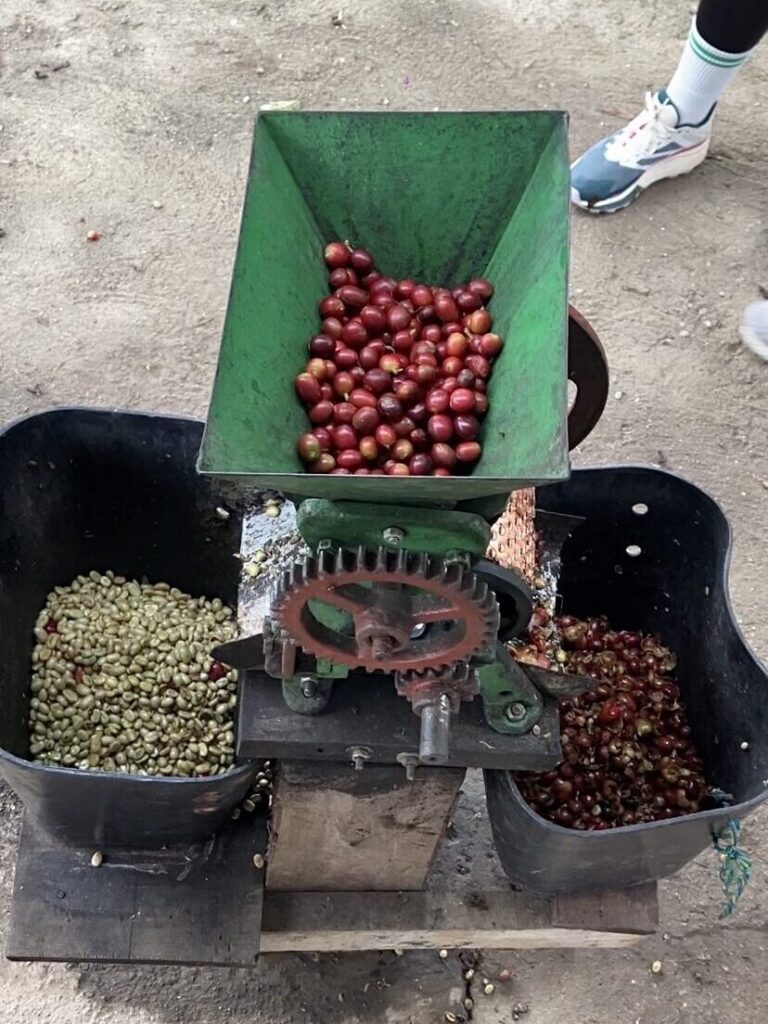
Coffee tourism in Colombia goes far beyond one particular town or region.
Coffee is grown across much of the country, from the famous Coffee Cultural Landscape in the Western Andes to departments including Antioquia, Huila, Tolima, Cauca, and areas around the Sierra Nevada de Santa Marta.
My own coffee-farm experience took place near Salento, in the department of Quindío. I toured Finca El Ocaso, where I learned about the process from the coffee plant itself through harvesting, processing, production, and eventually the finished cup.
Seeing how much work goes into something most of us casually drink every morning was impressive.
Salento is one of Colombia’s classic coffee destinations, but it certainly isn’t your only option. Antioquia is also one of the country’s major coffee-producing departments. If you’re traveling through that region, towns such as Jardín combine coffee culture with beautiful mountain scenery and a much smaller-town atmosphere.
Wherever you do it, I think touring a working coffee farm belongs on a Colombia itinerary.
4. Visit Cocora Valley & the Tatacoa Desert
These two places demonstrate just how geographically diverse Colombia can be.
COCORA VALLEY
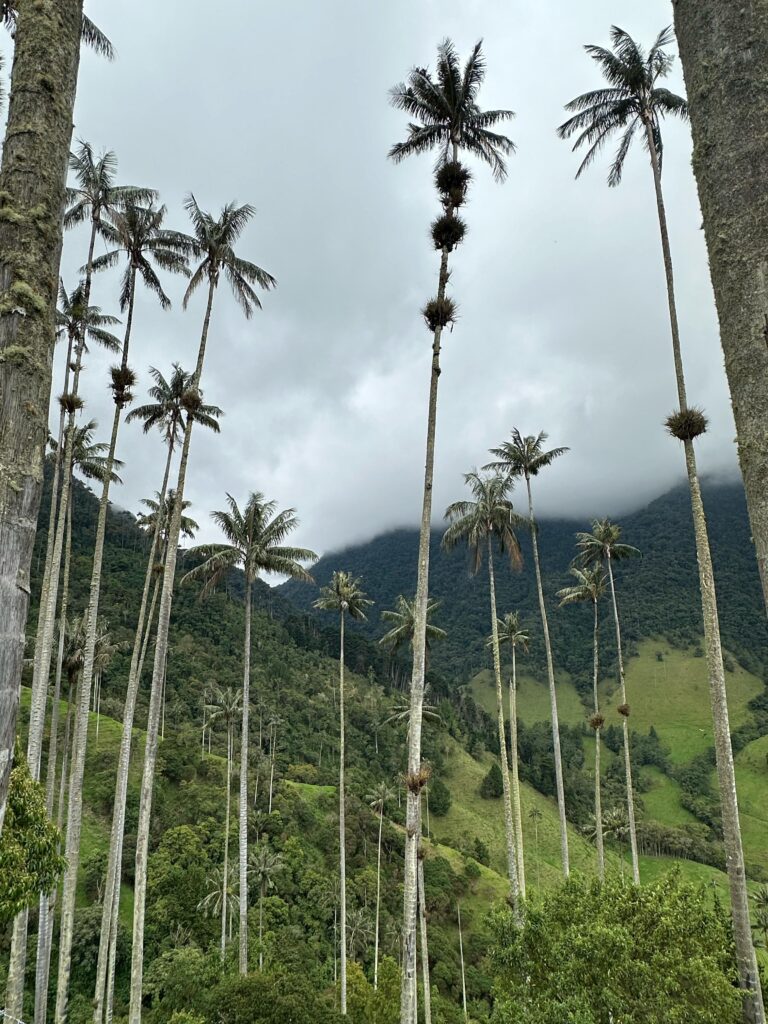
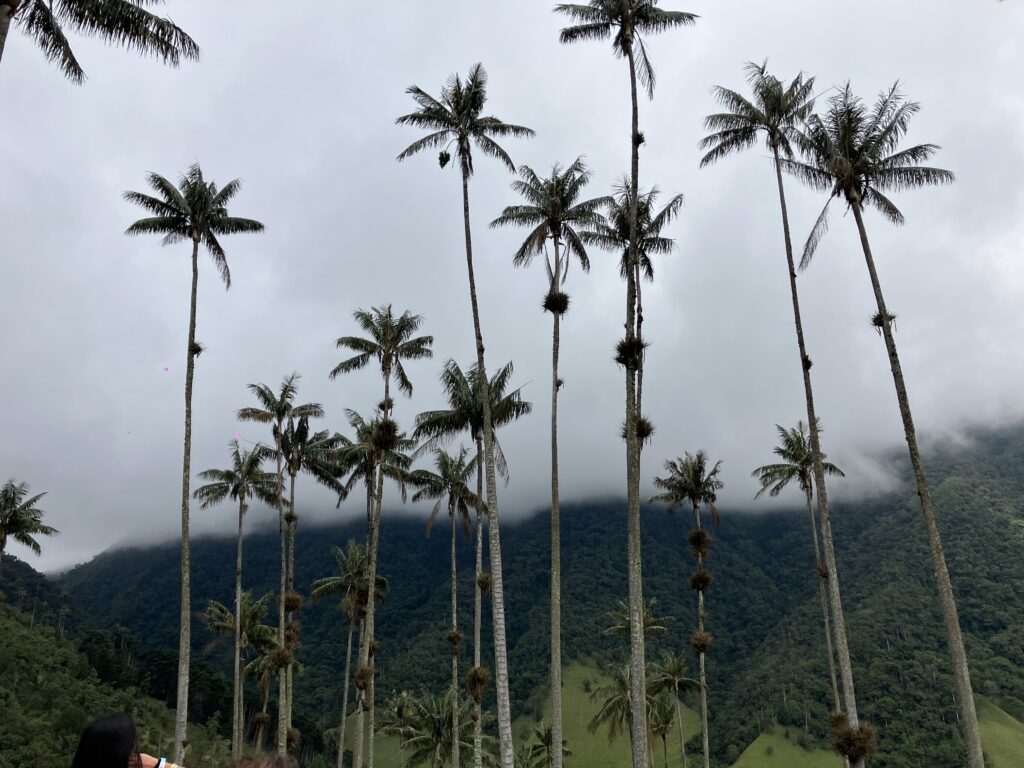
Near Salento in Quindío, Cocora Valley is a lush Andean landscape surrounded by mountains and famous for its enormous Quindío wax palms—the national tree of Colombia.
Some can reach around 60 meters in height.
The combination is surreal: impossibly tall, skinny palms rising above intensely green fields and cloud-covered mountains. There are different hiking routes through the area, making Cocora an easy addition if you’re already staying in Salento or traveling through Colombia’s Coffee Region.
TATACOA DESERT
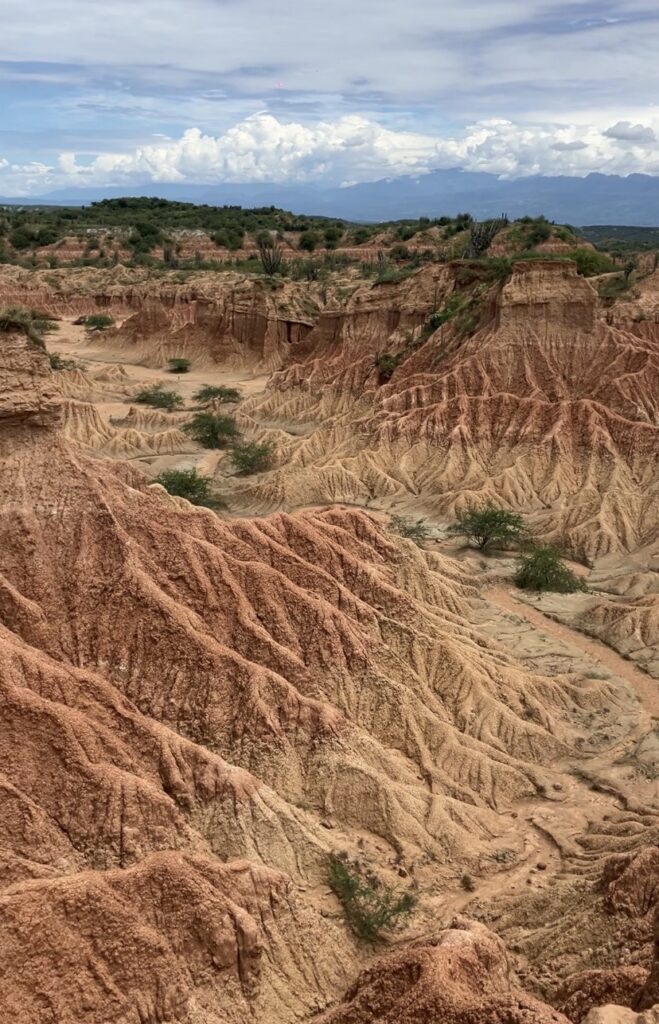
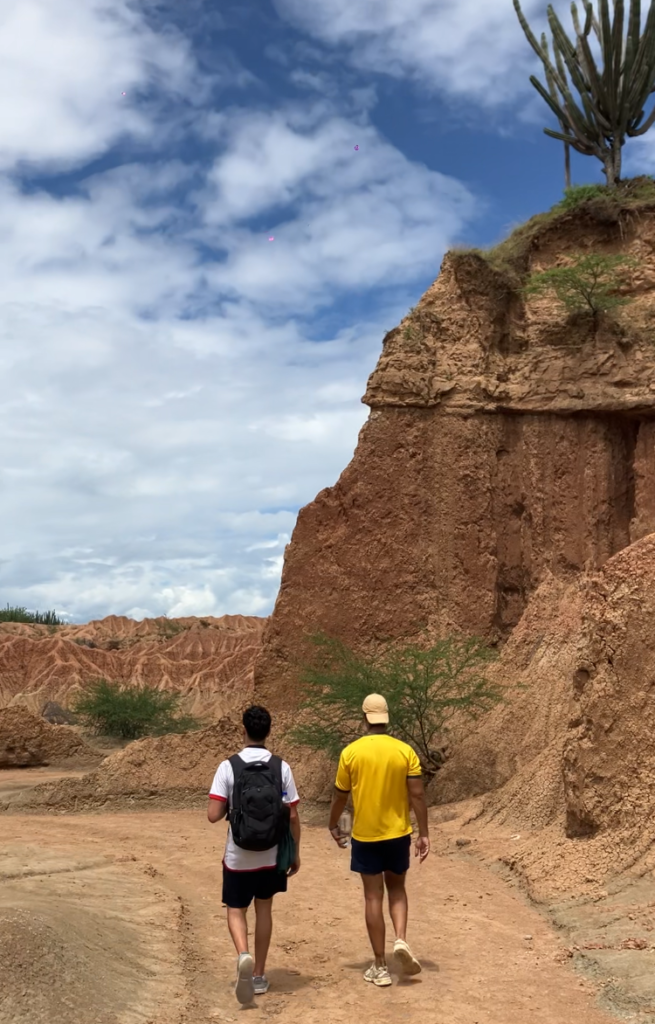
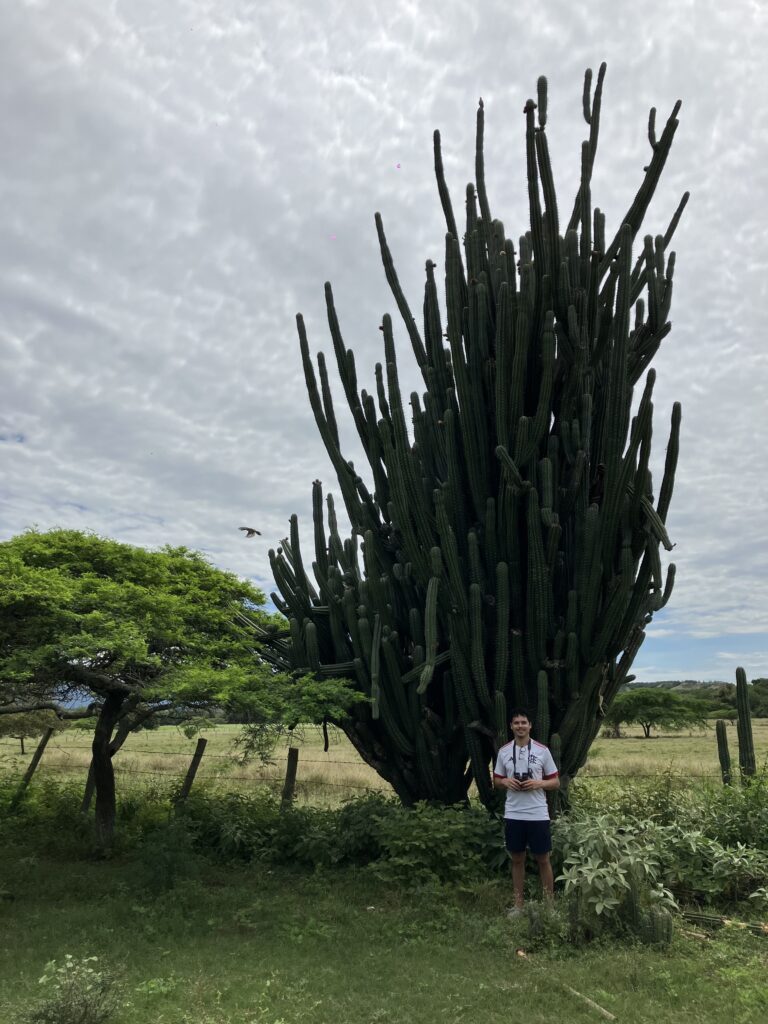
Then there’s the Tatacoa Desert, in Huila.
The contrast couldn’t be much greater.
Despite its name, Tatacoa isn’t technically a true desert. It’s an extremely dry tropical forest characterized by eroded formations, cacti, intense heat, and dramatic red, ochre, and gray terrain.
Walking through it can feel like you’ve been dropped onto another planet.
The area is also known for astronomy. Its dry environment, clear skies, and relatively low light pollution make it an excellent place for stargazing, with observatories operating around the region.
If Cocora represents the green, mountainous Colombia people imagine, Tatacoa shows you a completely different side of the country.
5. Go to a Language Exchange
In my opinion, language exchanges are some of the best social events for visitors to Colombia.
They’re especially useful because you’re not limited to meeting other travelers. Locals attend specifically because they want to practice languages and meet people too.
One of the best I’ve attended is Gringo Tuesdays, which currently holds events in Medellín, Bogotá, and Cali.
The concept is simple. People gather to practice different languages, socialize, and eventually party. It’s an easy way to practice Spanish while meeting Colombians and international travelers in the same place.
Even if your Spanish is terrible, that’s kind of the point.
6. Experience Bogotá’s Rock Scene

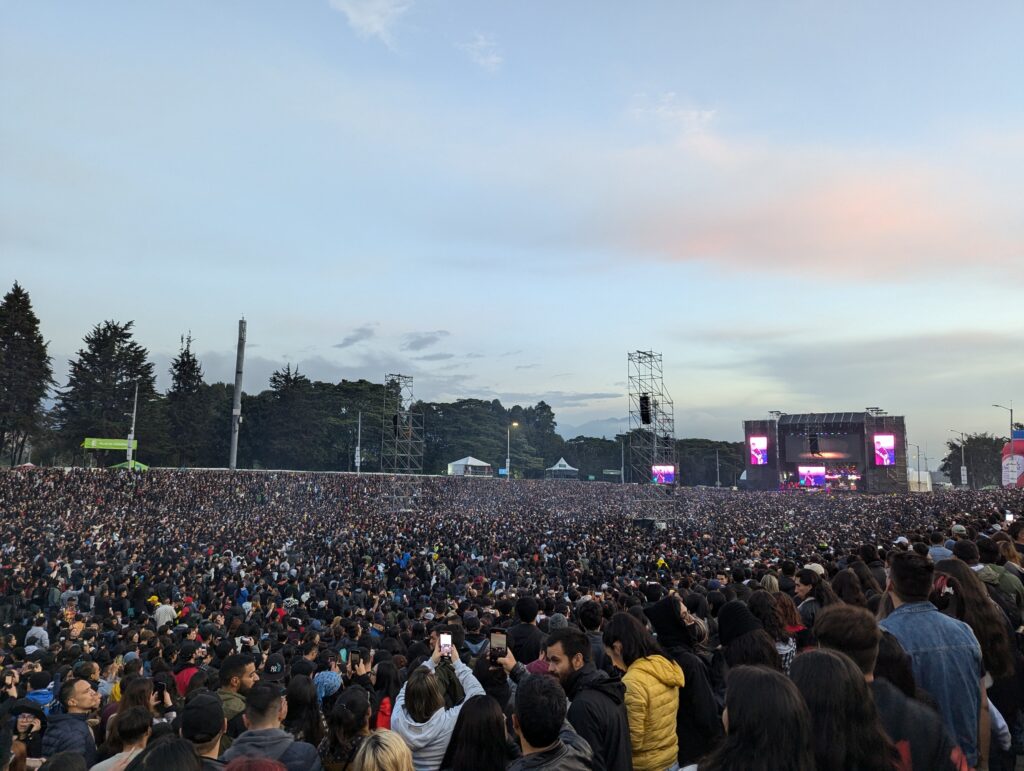
Rock, rock, rock.
Bogotá has a serious rock scene ranging from mainstream international acts to underground punk and metal.
I was never much of a punk fan until I started listening to a couple of Colombian bands. Now I’m at least a casual listener of rock in Spanish.
The centerpiece of Bogotá’s scene is Rock al Parque, a huge free music festival held at Parque Simón Bolívar. It brings together Colombian bands and international artists across rock, metal, punk, hardcore, ska, reggae, alternative music, and other related genres.
But you don’t necessarily need to plan your trip around the festival. Bogotá has enough venues, bands, and music culture that rock fans can explore the scene throughout the year.
If you like heavier music, don’t overlook Bogotá.
7. Explore Tayrona National Natural Park
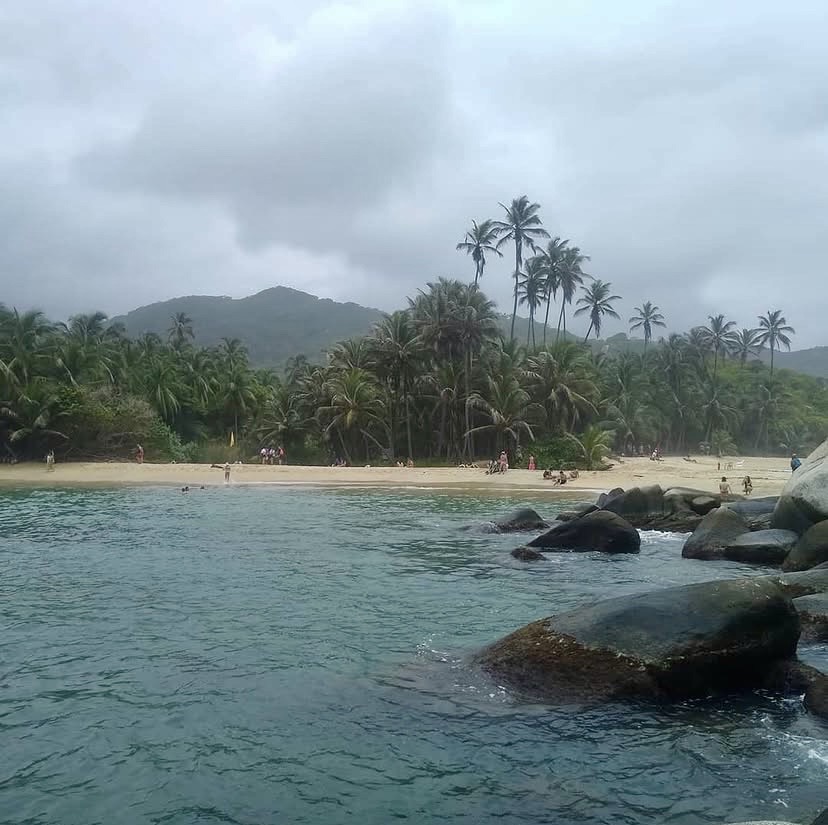
I only spent one day in Tayrona National Natural Park because of my travel schedule.
It was 1000% NOT ENOUGH.
I promise I’ll go back someday to finish what I started.
Tayrona is a stunning Caribbean environment where tropical forest, mountains, beaches, and marine ecosystems converge near the Sierra Nevada de Santa Marta.
My most vivid memory has nothing to do with one of the famous beaches.
I was walking through the jungle when I came across ripe mangos scattered everywhere. A group of monkeys high above me was shaking them loose from enormous mango trees.
I must have eaten about 15 little mangos that day.
Later, I found an empty beach and spent the rest of my time there completely alone. Being in that setting with nobody else around became one of those rare travel experiences that felt almost spiritual.
One practical note: Tayrona periodically closes for ecological and cultural restoration, and access conditions can change. Check the park’s current status before planning your visit.
And give it more than one day.
8. Visit the Salt Cathedral of Zipaquirá
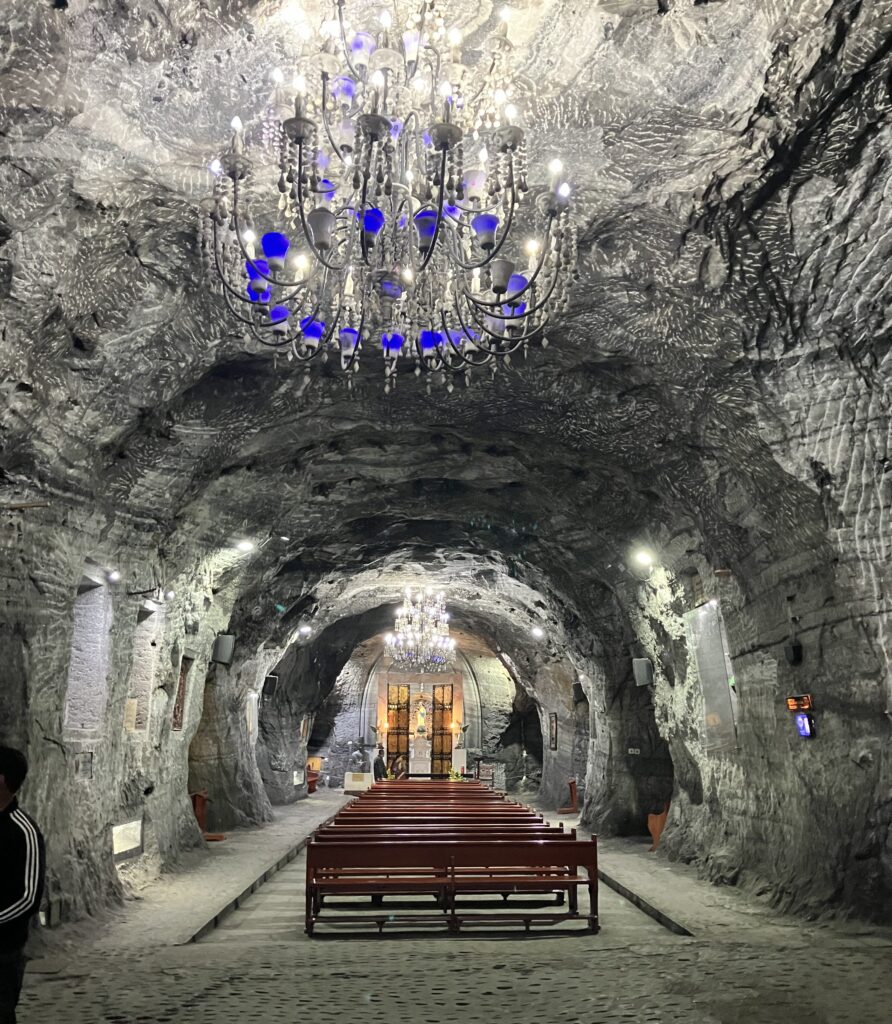
I put the Salt Cathedral of Zipaquirá on this list because I can’t really compare it to anything else I’ve visited.
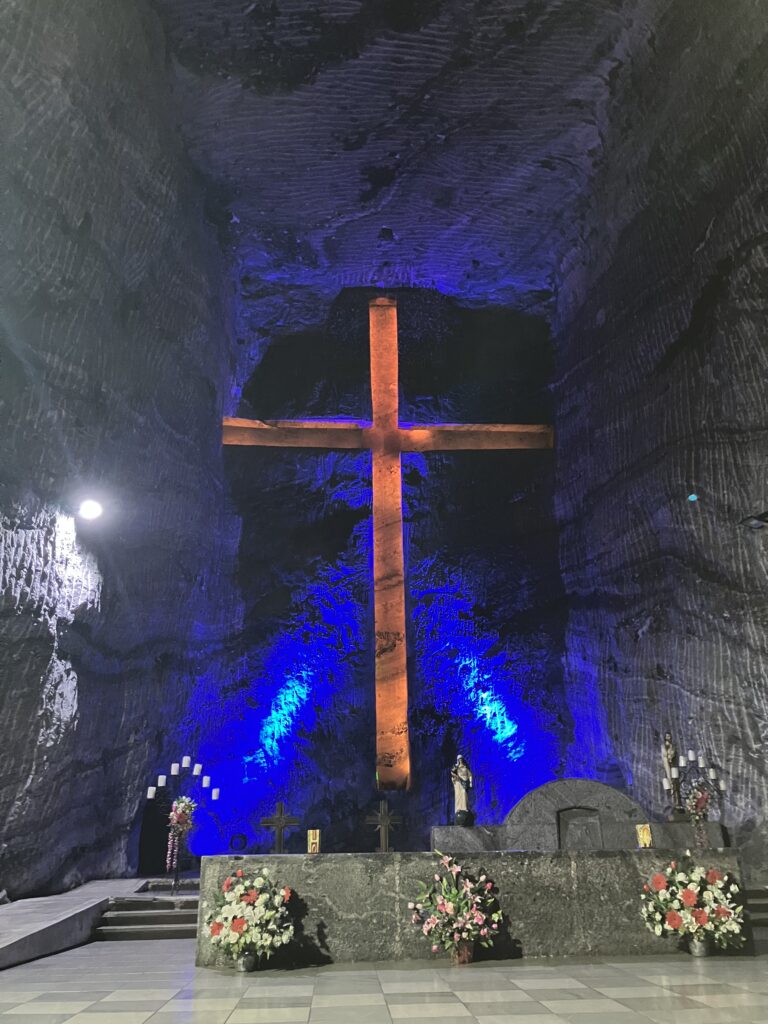
The enormous underground complex sits roughly 180 meters beneath the surface inside a former salt mine. Its religious spaces incorporate dramatic lighting, carved crosses, tunnels, chapels, and three central naves representing the birth, life, and death and resurrection of Jesus Christ.
As you walk through the mine, an audio guide can take you through the different sections and explain the history and religious symbolism.
There’s also a separate Miner’s Route, where visitors can experience part of what working underground as a salt miner was like, including extracting salt rock. Whether you’re religious or not, it’s an incredibly unusual combination of engineering, geology, art, history, and faith.
9. Learn to Dance Salsa
Colombia has a vibrant salsa culture.
I’ve met people who spent weeks or even months learning salsa in Medellín and became surprisingly good after starting completely from scratch.
It’s not easy.
I personally suck at salsa.
But even mastering a basic routine can make you pretty proud of yourself, and if you have a genuine passion for dance, Colombia might become one of your favorite places to learn.
Private classes are widely available, as are social events and group lessons where you can practice with other people.
For the full experience, Cali is particularly famous for its salsa culture and hosts major events including the Festival Mundial de Salsa and the Feria de Cali.
You don’t have to become an expert. Learning enough to survive a song without completely embarrassing yourself is already progress.
10. Escape to the Mountains of Minca
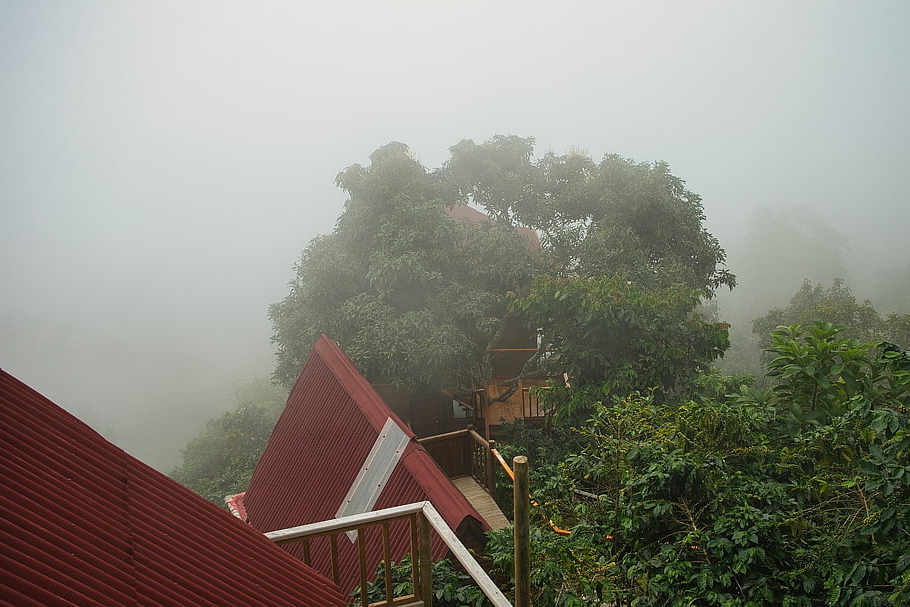
Rural Colombia is the greenest place I’ve ever seen, and Minca is no exception.
The only negative thing I have to say about this little mountain town is that the bugs are enormous and plentiful.
Even the bumblebees seemed ridiculously huge—which, honestly, I thought was pretty cool.
Minca sits in the foothills of the Sierra Nevada de Santa Marta, above the Caribbean coast. The area is filled with dense vegetation, waterfalls, hiking trails, coffee and cacao farms, mountain viewpoints, eco-hostels, and places to disappear into nature for a while.
Marinka and Pozo Azul are among its best-known waterfalls and swimming areas. Another experience I really enjoyed in Minca was visiting Finca La Candelaria, a family-run organic coffee and cacao farm in the mountains. I took their cacao tour, where I learned about the process of turning cacao fruit into chocolate—from the cacao pods and beans through the different stages of production.
One of the things I loved most about Minca was simply how dark it became at night. Away from the intense lighting and noise of a big city, I could sit there and hear everything happening somewhere out in the distance.
If you’re a nature lover, Minca is an easy place to slow down.
11. Take a Walking Tour in Medellín
Medellín has a fascinating and complicated history, and a good walking tour can add a tremendous amount of context to what you’re seeing.
I particularly enjoyed smaller tours around Centro, Medellín’s downtown area, which were incorporated into the schedule at my Spanish-language school.
There are plenty of other options throughout the city, but the most famous destination for visitors is undoubtedly Comuna 13.
I first explored Comuna 13 with Colombian friends in 2021 and later returned in 2026 for an organized tour. The two experiences were completely different, and they actually taught me quite a bit about what makes a good—or bad—walking tour.
Today, Comuna 13 is colorful, busy, artistic, commercial, and one of Medellín’s major tourist attractions. But understanding the violence, armed conflict, community struggles, and urban transformation behind what you’re seeing gives the experience considerably more meaning.
12. Take Spanish Classes in Colombia
Colombian Spanish is famous among Spanish learners, although talking about a single “Colombian accent” oversimplifies a country with substantial regional differences in vocabulary, pronunciation, rhythm, and expression.
What I particularly appreciate is how much language can reveal about Colombian culture.
A strong network of language schools operates in cities popular with international visitors, and you’ll find private lessons, group classes, online instruction, and language exchanges.
Besides the obvious practical benefit of speaking Spanish while traveling, learning the language allows you to understand Colombian culture at a much deeper level.
Courtesy and respect are expressed constantly through language. Once you begin speaking Spanish and spending meaningful time with Colombians, you start noticing cultural details that are almost impossible to appreciate when every interaction takes place in English.
If you’re staying in Colombia for more than a short vacation, I’d strongly recommend taking some classes.
13. Don’t Make Everything About Pablo Escobar
This final recommendation isn’t an attraction. It’s a little advice about being a respectful visitor.
Colombia is much more than Pablo Escobar, cocaine, cartels, and the international stereotypes created around them. Constantly asking Colombians about Escobar or treating the country’s history of drug trafficking like the plot of an entertaining Hollywood movie can come across as ignorant and insensitive.
For many Colombians, that history isn’t entertainment.
The violence associated with the drug trade destroyed families, traumatized communities, destabilized cities, and killed real people. Pablo Escobar wasn’t a fictional antihero. The consequences of that era are part of living memory.
That doesn’t mean Colombia’s history should never be discussed. Understanding the country’s conflicts and transformation can actually make traveling here considerably more meaningful.
The difference is how you approach it. Listen to Colombians. Learn about the history in context.
After spending about nine months in Colombia, what sticks with me isn’t some drug-lord mythology. It’s the mountains. The coffee. The music. The football. The food. The Spanish. The ridiculously green countryside. The people I’ve met.
That’s the Colombia I keep wanting to return to.