What Makes a Place Special to Me?
I grew up in Chicago, so I’ve always loved cities. I enjoy exploring different neighborhoods, discovering local cultures, meeting people, and experiencing the energy of a place. But after spending years traveling abroad, I’ve realized that some of my favorite destinations aren’t necessarily big cities.
What attracts me most is a combination of culture, atmosphere, nature, good food, and interesting people. I like places with a festive energy, a steady flow of international travelers, and something distinctive that makes them stand out. Whether it’s fresh coffee, incredible local cuisine, live music, beautiful scenery, or a lively social scene, I appreciate destinations that have something special to offer.
I also genuinely enjoy being a tourist. I love meeting other travelers, staying in hostels, and taking part in the international backpacker scene. But what I enjoy even more is eventually peeling back the layers and discovering how the locals live.
Sometimes that means exploring a huge city, and other times it means settling into a smaller vacation town for a few weeks or even a month. If the atmosphere is right, I can happily stay somewhere for a while, work, volunteer, make friends, and enjoy everyday life.
The following seven places have left a lasting impression on me for different reasons. They’re not ranked in any particular order.
They’re simply places I love.
1. Rio de Janeiro, Brazil
Rio de Janeiro, Brazil
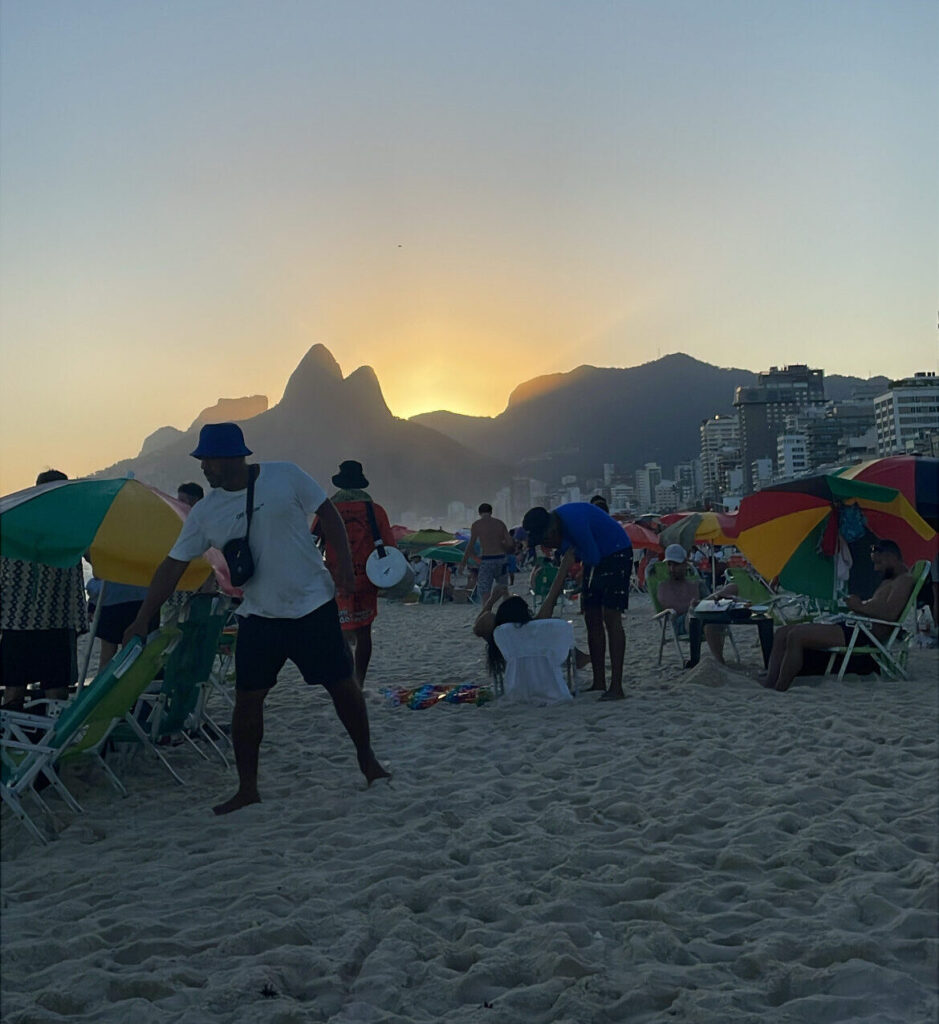
Rio de Janeiro is like opening a treasure chest.
It’s one of those rare cities that combines a massive urban environment with beautiful beaches, mountains, tropical forests, and a social atmosphere that makes you want to get outside and experience everything.
For me, Rio has almost everything I look for in a destination.
The only thing that didn’t completely win me over was the food.
But when it comes to scenery, outdoor activities, culture, and energy, Rio is difficult to beat. What makes this city especially interesting is the way nature and urban life exist right next to each other.
You can spend the morning hiking through tropical forest, the afternoon relaxing on a beach, and the evening enjoying music or socializing in one of the city’s lively neighborhoods. All without leaving one of the largest metropolitan areas in South America.
MOUNTAINS, BEACHES, AND THE CONCRETE JUNGLE
Rio’s landscape is extraordinary.
The city is surrounded by dramatic granite mountains, green hills, and stretches of coastline that make even ordinary walks feel scenic.
Some of its most famous attractions include Christ the Redeemer, Sugarloaf Mountain, Copacabana Beach, and Ipanema Beach,
But Rio’s appeal goes far beyond its internationally recognized landmarks. One of my favorite aspects of the city is its hiking opportunities.
Tijuca National Park protects a large area of Atlantic Forest within Rio, with trails, waterfalls, viewpoints, and mountains that offer remarkable views of the city.
Popular hiking destinations include Pedra Bonita, Pedra da Gávea, and Morro Dois Irmãos. I’ve explored several of these trails myself and put together a separate guide to hiking in Rio de Janeiro for anyone interested in seeing the city from above.
The combination of mountains, forest, beaches, and dense urban neighborhoods is something you don’t find in many major cities.
I love that you can be surrounded by concrete buildings one moment and overlooking a tropical landscape the next.
THE CULTURE, SOCIAL ATMOSPHERE & ACTIVITIES
Rio also has the festive energy I look for when traveling. There’s just so much to do.
The city is famous for Carnival celebrations, samba, beach sports culture, football, and its outdoor social life.
Neighborhoods such as Lapa are known for nightlife and live music, while areas like Ipanema, Copacabana, and Botafogo offer different combinations of restaurants, bars, beaches, and social activity. A neighborhood like flamengo is full of parks next to the beach and near the departure port for yacht parties.
There’s a steady flow of Brazilian and international visitors, which makes it appealing for travelers who enjoy meeting people and being part of an active social scene.
And then there’s the local culture. Rio just very ACTIVE!
Whether you’re hanging out at the beach, exploring a neighborhood, listening to music, or enjoying a casual conversation, there’s a strong social element to everyday life.
Another major appeal for me was the ease of commute between the subway system and mototaxis. Sounds perfect, right?
Well, Rio isn’t perfect. Like any major city, it has challenges, and visitors should pay attention to safety and their surroundings. But the combination of natural beauty, urban energy, and outdoor lifestyle makes it one of the most fascinating places I’ve experienced.
For someone who loves both big cities and nature, Rio offers an incredible amount of variety.
It’s a place where I never seem to run out of things I want to do.
2. Chiang Mai, Thailand
Northern Thailand
Chiang Mai is one of Thailand’s largest cities and a place I won’t forget.
One of the biggest reasons Chiang Mai is on this list is the food. Northern Thai cuisine includes some of my favorite dishes. From sticky rice and chili pastes to everything in between, it’s delicious. Even better, some of the most flavorful Thai salads and smoothies I’ve ever had were in Chiang Mai. I felt like quality was a priority here.
Beyond the food, there are plenty of things to do. Visit beautiful temples, tour an ethical elephant sanctuary where you can observe the animals without disturbing them, explore huge night markets, enjoy locally grown coffee, experience the nightlife, hike in nearby national parks, take cooking classes, or learn traditional Thai massage.
The energy is great here, which makes it easier to look past some of the crowded tourist attractions and still appreciate them. Chiang Mai is pleasant, surrounded by mountains, and has a subtropical climate that gives it a different feel from Bangkok and the beach destinations of southern Thailand.
Another popular activity is exploring other parts of northern Thailand. Chiang Rai, home to the famous White Temple, makes an interesting excursion, while Pai is known for its night market, relaxed atmosphere, and beautiful hills that you can explore by scooter. Both are worth visiting, although Pai is better suited to an overnight trip than a quick day trip.
The landscape of northern Thailand is gorgeous, mountainous, and lush.
Overall, Chiang Mai is a place that isn’t really missing anything. It checks so many boxes.
I also found the locals, especially younger people, friendly and welcoming. Compared with some of the heavily touristed areas of Bangkok and southern Thailand, my interactions here often felt more relaxed.
It’s also incredibly easy to meet other travelers. Some of the coolest people I’ve met during my travels were in Chiang Mai.
Between the food, nature, culture, and social atmosphere, this is somewhere I could happily spend a long time.
Definitely worth a visit!
Side note: Check the current status of Art in Paradise if you’re interested in visiting this interactive art museum.
3. New Orleans, Louisiana, USA
The Big Easy
My favorite city in the United States, besides Chicago, of course.
New Orleans is a vibrant city in the swampy American South, with a culture unlike anywhere else I’ve visited in the country.
I spent six months here and had the opportunity to experience the city on a deeper level. During that time, I volunteered at a supposedly haunted guesthouse in the Lower Garden District, a beautiful, green neighborhood filled with historic mansions and enormous old trees. Parts of the city just look haunted, perfecty fitting for a scary movie. That’s what I love it some places – the unusual.
And yes, I had some unusual experiences.
I believe I saw a ghost, heard stories about black magic, and even had an encounter with people who claimed to practice witchcraft and put a curse on me. All true stories from my time there!
Whether you believe in the supernatural or not, New Orleans has a fascinating history of spiritual traditions, folklore, and Voodoo that adds another layer to its identity.
Putting those experiences aside, New Orleans has a beautiful culture. It’s especially famous for Mardi Gras, its historic jazz and blues scene, and unforgettable Creole cuisine.
The people are another reason I love it. They remind me of Southern New Yorkers in a way. There’s the personality and energy of a major American city, but with a dose of Southern hospitality.
I recommend learning about the city’s history through a walking tour or a ghost tour. I loved strolling through the streets, watching performers and tarot card readers, visiting candy shops, drinking coffee, and simply people-watching.
THE FOOD ALONE IS WORTH THE TRIP
The one thing you MUST do in New Orleans is eat as much as possible.
Creole cuisine is one of the city’s signatures, blending French, Spanish, African, Caribbean, and other influences into a distinctive local food culture. I
Ask locals where to go, do some research, and try as many different dishes as you can.
Some of my personal food recommendations include:
- Camellia Grill: The chef’s special omelet
- Drago’s Seafood Restaurant: Charbroiled oysters
- District Donuts: Coconut cream doughnut
Beyond eating, don’t miss the French Quarter and Frenchmen Street, where you can enjoy live music and soak up the atmosphere.
Visit one of the city’s historic cemeteries with above-ground tombs. I recommend taking a guided tour if you want to understand the history behind them.
You can also ride the famous streetcars, attend a New Orleans Saints football game, explore local farmers’ markets, or take a historical plantation tour that addresses slavery and Louisiana’s past.
Here’s a fun fact: You can organize your own parade in New Orleans, provided you obtain the necessary permits and follow the city’s regulations.
That tells you something about the city’s character!
New Orleans is one of those places where the music, food, history, and everyday street life all contribute to the experience.
Have a drink, listen to some live jazz, and enjoy yourself.
4. Hoi An, Vietnam
Central Vietnam
Hoi An is a former international trading port that flourished between the 15th and 19th centuries.
Its history is reflected in the architecture, which combines Vietnamese traditions with Chinese, Japanese, and European influences.
The Ancient Town is a UNESCO World Heritage Site, known for its preserved historic buildings, colorful lanterns, old bridges, markets, art galleries, and coffeehouses.
I found myself attracted to this place like a magnet.
It’s so unique and relaxed.
Hoi An has a charming atmosphere, an excellent backpacker scene, and a strong food culture. I loved simply strolling around the old town, admiring the buildings, and enjoying the historic setting. Walking through the intimate town center at night while it’s magically lit up by handmade lanterns is a special vibe.
It’s also a great place to eat.
Believe it or not, I had some of the best Greek food I’ve ever tasted at MIX Greek Restaurant in Hoi An!
Of course, you should also explore the Vietnamese cuisine. Consider booking a street food tour or venturing away from the busiest tourist streets to discover where locals eat.
For me, coming here inspired me to explore, and that’s exactly what I recommend doing.
Rent a bicycle or scooter and ride through the surrounding rice fields, take a boat through the nipa palm forests, explore nearby temples and ruins, cross the Japanese Covered Bridge, and visit the local markets.
The surrounding countryside adds another dimension to Hoi An. You can spend part of your day exploring rural landscapes and then return to the historic center for dinner.
At night, simply walk around and admire the colorful lanterns illuminating the streets and reflecting off the water.
It’s a beautiful sight.
And you should definitely consider buying a lantern from one of the local shops!
DISCOVER HOI AN’S SILK AND TAILORING TRADITIONS
One of the more interesting activities is visiting Hoi An Silk Village to learn about silk production, traditional weaving techniques, and the local textile industry.
Hoi An is famous for its tailors and fabric shops. Many visitors come here to have clothing custom-made, including suits, dresses, and other garments.
It’s an interesting part of the town’s identity and another example of something Hoi An does particularly well.
I would describe Hoi An as a magical place.
It has history, great food, a pleasant atmosphere, and enough things to do in the surrounding area to keep you occupied.
I hope it preserves its character for generations to come.
5. Medellín, Colombia
Antioquia, Colombia
I’ve spent approximately nine months in Colombia across two separate trips. If you’re planning to explore more of the country, I’ve also put together a detailed list of destinations and activities based on my travels.
Medellín is my favorite city in Colombia because of its combination of size, history, lifestyle, landscape, weather, public transportation, and people.
This large metropolitan area has a lot to offer.
Let’s start with the people. In my experience, Colombians from Antioquia are generally polite and accommodating, something I found especially appealing about Medellín.
I was also thoroughly impressed by the city’s Metro system. I love exploring random neighborhoods, and the trains made getting around incredibly convenient. During my time there, I rarely had to wait more than five minutes for a train.
The city itself is visually stunning.
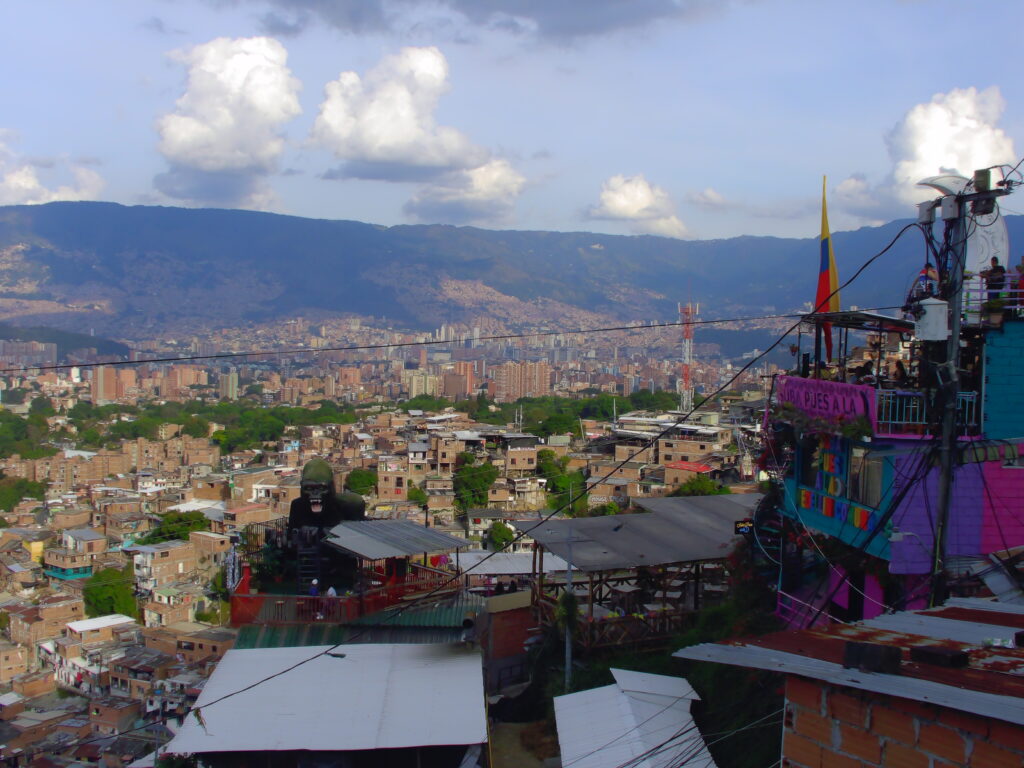
Medellín sits in a valley surrounded by green mountains and densely populated hillsides. From its parks and gardens to its viewpoints and surrounding countryside, there’s beauty everywhere.
The fruits and vegetables are another highlight. Much of the produce sold locally comes from farms in the surrounding region, and I found it fresh and affordable.
One of my favorite activities was riding the Metrocable and looking out over the hills, neighborhoods, and city below.
Medellín also has a captivating history involving politics, violence, urban transformation, and culture. You can learn about it through museums, neighborhood tours, and conversations with residents.
For international visitors, there’s also a well-established expat and digital nomad community, with WhatsApp groups, language exchanges, and social events.
I personally spent a lot of time studying Spanish here, and I consider Medellín a great place to practice the language.
THINGS TO DO IN MEDELLÍN
The City of Eternal Spring offers plenty of activities.
Explore Comuna 13, hike one of the surrounding hills, attend a language exchange, take salsa classes, watch outdoor movie screenings, study Spanish, go to a local football (soccer) match, visit museums, or stroll through Plaza Botero.
You can also check out the art galleries at Palacio Nacional, attend cultural events, enjoy an evening at a mirador (viewpoint), visit a coffee farm, or take a trip to Guatapé.
And if you’re feeling adventurous, explore the city’s hilly neighborhoods on foot or by bicycle, keeping the steep terrain and traffic in mind.
More importantly, make an effort to spend time with locals!
Language exchanges are a particularly good way to meet people, practice Spanish, and learn about everyday life in Medellín.
I also recommend following local event pages or community groups to see what’s happening during your visit. There’s always something going on.
One thing worth mentioning is that Medellín’s popularity with international visitors has brought some negative aspects of tourism, including sex tourism. I’ve noticed that these issues can affect how some locals perceive foreign visitors.
However, I wouldn’t let that discourage you from getting to know this amazing city. Be respectful, make an effort to learn the culture, and remember that there’s much more to Medellín than its nightlife and international reputation.
For me, the combination of urban life, beautiful scenery, social opportunities, and accessibility makes Medellín a special place.
6. Antigua, Guatemala
Sacatepéquez, Guatemala
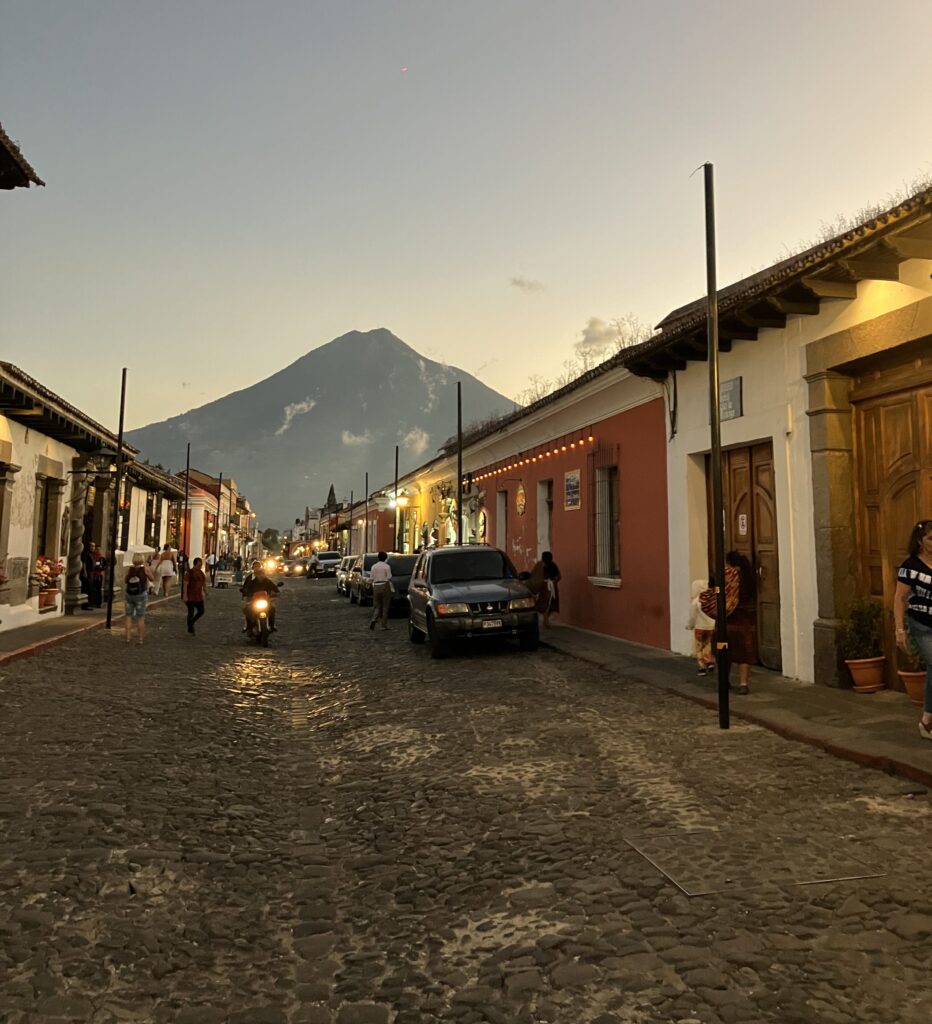
Antigua is proof that a destination doesn’t need to be a major city to keep me entertained.
This historic town in Guatemala’s central highlands has a relaxed atmosphere, beautiful colonial architecture, excellent coffee, and a strong international traveler community.
Surrounded by volcanoes and green mountains, Antigua is one of those places where the scenery immediately catches your attention.
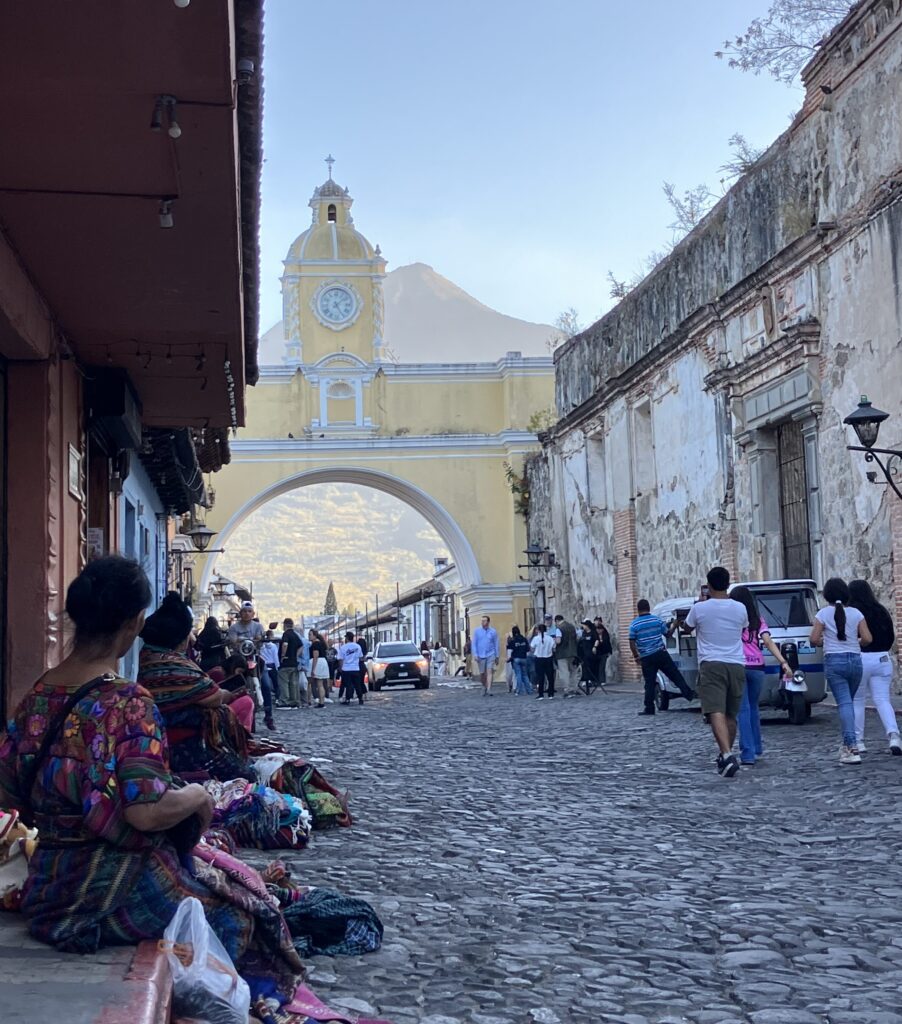
It’s quite an charmingly artisinal town too, from the gorgeous yellow cathedral and arch, colorfully custom-painted buses, down to main plaza and the beautifully crafted wooden entrance doors to all the buildings. Not a single door is the same.
Antigua’s historic center is a UNESCO World Heritage Site, known for cobblestone streets, colorful buildings, churches, convents, and preserved colonial-era ruins. Nearby villages, each inhabited by different tribes, provide interesting cultural exploration and immersion.
Walking around the town is an activity in itself. You can spend time wandering the streets, stopping at cafés, admiring the architecture, and discovering little shops and restaurants. It’s a particularly appealing place for backpackers, language students, digital nomads, and travelers who want to slow down for a while.
VOLCANO ADVENTURES
One of Antigua’s biggest attractions is its proximity to several volcanoes.
The most famous adventure is hiking Acatenango, a demanding high-altitude trek that can offer views of nearby Volcán de Fuego, one of Guatemala’s active volcanoes.
Many travelers book an overnight excursion to Acatenango, where they can camp at elevation and, when conditions allow, watch Fuego’s volcanic activity from a safe viewing area.
It’s a serious hike, though, and visitors should choose reputable guides and check current volcanic conditions. Another popular excursion is Pacaya Volcano, which offers a different volcanic landscape and is often visited on guided day trips when access is permitted.
For adventure travelers, the opportunity to experience these landscapes is a major reason to visit Antigua. And even if you’re not interested in climbing a volcano, simply seeing the surrounding peaks from the town adds something special to the atmosphere.
COFFEE, CACAO, AND LOCAL CULTURE
Another reason Antigua appeals to me is its connection to coffee and cacao.
Guatemala is known for producing excellent coffee, and the highlands surrounding Antigua have a long tradition of coffee cultivation.
You can visit coffee farms, learn about growing and processing methods, and taste locally produced coffee. It’s a great opportunity to appreciate the work behind something many of us drink every day.
Cacao is another interesting part of the experience. Antigua offers chocolate workshops where visitors can learn about cacao, its cultural history, and the process of making chocolate. I actually took a chocolate-making class, which I included in my article about some of my favorite tours around the world.
It’s the kind of hands-on activity I enjoy because it connects a local product with history, food, and everyday culture.
A PLACE TO STAY FOR A WHILE
Beyond the volcanoes, coffee, and architecture, Antigua has a welcoming international atmosphere. The town has hostels, cafés, language schools, coworking spaces, restaurants, and social activities that make it easy to meet other travelers. Guatemalan cuisine is grossly underrated as well. I ate really good while I was there!
Besides filling your belly, you can explore the town on foot, take Spanish lessons, volunteer, join excursions, or simply settle into a routine for a few weeks.
That’s what I appreciate about smaller vacation towns.
They don’t need the endless attractions of a major city. Sometimes a pleasant atmosphere, interesting people, good coffee, and a beautiful setting are more than enough.
Antigua has all of those things, along with some truly memorable outdoor adventures. It’s a place where I could easily imagine spending a month, getting to know the town, improving my Spanish, and enjoying a slower pace of life.
7. Playa del Carmen, Mexico
Quintana Roo, Mexico
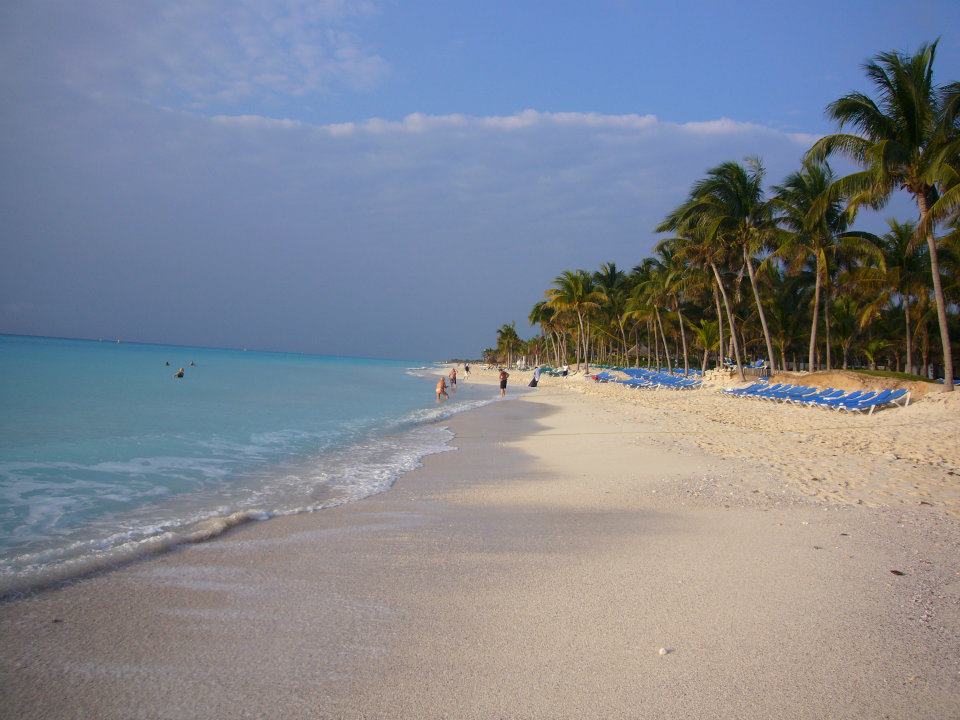
Playa del Carmen is one of my favorite beach destinations in Latin America. I chose it for its walkability, location, transportation, beaches, cenotes, scuba diving, and warm weather.
Playa del Carmen is absolutely a tourist-oriented beach town, and I have no problem with that.
In fact, it’s part of the appeal for me.
Located along the Riviera Maya between Cancún and Tulum, Playa del Carmen makes an excellent base for exploring the Caribbean coast of Mexico. Transportation is another major advantage. The ADO bus network makes traveling between many destinations in the region convenient, and there are also local transportation options for shorter trips.
From Playa del Carmen, you can explore places such as Akumal, Tulum, and Cancún, or plan longer excursions to Bacalar and Isla Holbox.
Another reason I enjoy Playa del Carmen is that, in my experience, it offers a more practical and affordable base than some of the resort-heavy areas around Cancún and Tulum.
I particularly love how concentrated and lively the downtown area is. You can be surrounded by restaurants, bars, shops, and tourists, then walk 15 minutes and find yourself on a quiet residential street.
It offers a combination of vacation energy and everyday convenience. The town caters to families, couples, backpackers, digital nomads, and people who simply want to relax somewhere warm for a while.
During my stay, almost everything I needed was within walking distance.
SCUBA DIVING, CENOTES, AND THE RIVIERA MAYA
Now to the good part.
One of the best things you can do here is take a scuba diving course and explore the warm Caribbean waters around Cozumel. I’ve also written about my personal diving experiences in Playa del Carmen, including diving near Cozumel and exploring the cenotes.
The reefs are full of marine life, and the underwater scenery is incredible.
Another unforgettable experience is diving in the region’s cenotes, natural limestone sinkholes connected to freshwater systems. Some offer guided cavern dives through spectacular underwater formations.
If you’re interested in scuba diving, don’t pass up the opportunity.
I personally dove with Good Vibes Diving, and I’d highly recommend them.
Even if scuba diving is the main reason for your trip, Playa del Carmen makes an excellent base.
But there’s plenty more to do.
Visit Playacar Beach, swim or snorkel in cenotes, take an excursion to the Mayan ruins of Chichén Itzá, shop for Mexican silver, watch a show at Coco Bongo, discover the nightlife, or simply enjoy the beach and relaxed atmosphere.
Accommodations range from backpacker hostels to apartments and resorts, making it possible to stay for a few days or settle in for a month.
I even rented an Airbnb for a month and used to feed a coati that lived in a tree next door!
That’s one of the little memories that has stayed with me.
Playa del Carmen is solid on so many levels. It has the vacation atmosphere I enjoy, a constant flow of international travelers, and enough nearby attractions to keep things interesting.
I’ll definitely be visiting again.
Final Thoughts: It’s About More Than the Attractions
Looking back at these seven places, they might seem like an unusual combination.
Some are large metropolitan cities, while others are smaller towns with a strong vacation atmosphere. Some are famous for their food, others for their natural beauty, history, or nightlife.
But they all have something in common.
They’re places where I genuinely enjoyed being.
I love destinations with character, movement, fresh food and ingredients, beautiful surroundings, music, culture, and opportunities to meet interesting people.
I enjoy the international traveler scene, but I also want to get beyond the tourist attractions and understand what makes a place special to the people who live there.
Sometimes that means staying in a city for months. Other times it means relaxing in a smaller town, working remotely, volunteering, or simply enjoying life without a packed itinerary.
And that’s one of the things I love most about long-term travel.
You don’t always know which places will leave the biggest impression on you until you experience them for yourself.
These seven certainly left an impression on me, and I’d happily return to every one of them.