Affiliate Disclosure: Some links on this page are affiliate links, meaning I may earn a commission if you make a purchase or booking through them, at no additional cost to you. Using my affiliate links is greatly appreciated, as it helps support Nico Just Landed and allows me to continue traveling and creating useful content. Thank you for your support!
Four Months in Rio de Janeiro: What Makes This City Special?
I’ve visited Brazil twice. The first time, I spent two months in the country, entirely in Rio de Janeiro. On my second trip, I traveled throughout Brazil for six months, spending another two months in Rio during the summer and winter. After approximately four months exploring the city, I’ve developed a pretty good understanding of what makes it special.
And for me, it starts with the geography.

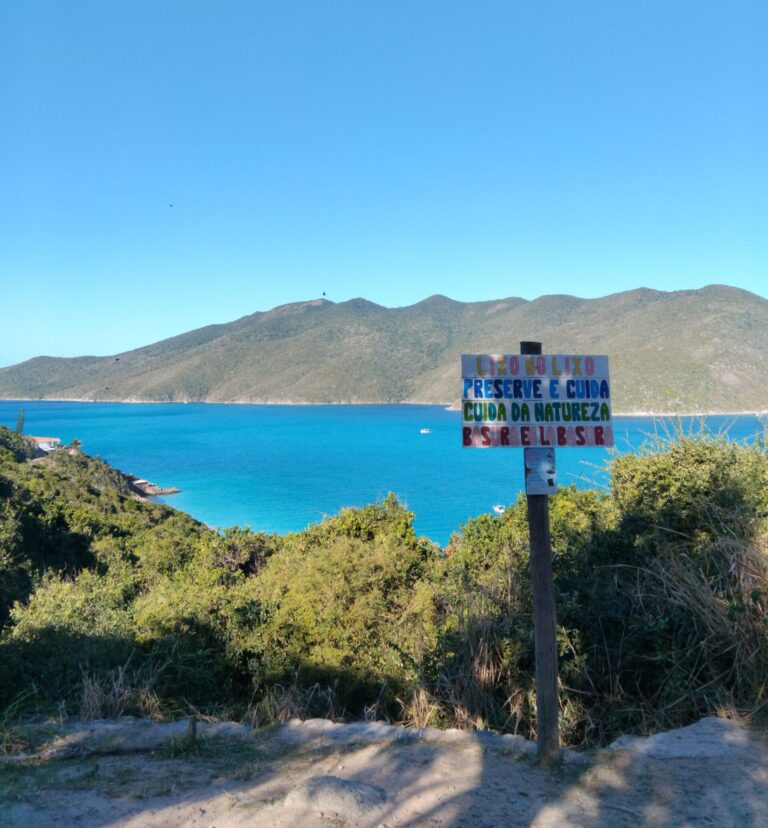
Rio de Janeiro is one of the most visually spectacular metropolitan areas I’ve ever visited. It’s a concrete jungle mixed with an actual jungle, surrounded by enormous granite mountains (morros), tropical vegetation, beaches, and the Atlantic Ocean. The city has a tropical climate, with hot, humid summers (high season) and generally milder winters (low season), and its dramatic terrain is part of everyday life.
You can admire the mountains from Ipanema Beach, hike through forested trails for panoramic views of the city, or ride a bicycle along the ocean with skyscrapers on one side and spectacular natural scenery on the other.
From the top of Morro Dois Irmãos at sunrise to the sunset at Arpoador, Rio offers extraordinary views from just about every perspective imaginable.
But the landscape is only half the story.

THE CITY VIBE
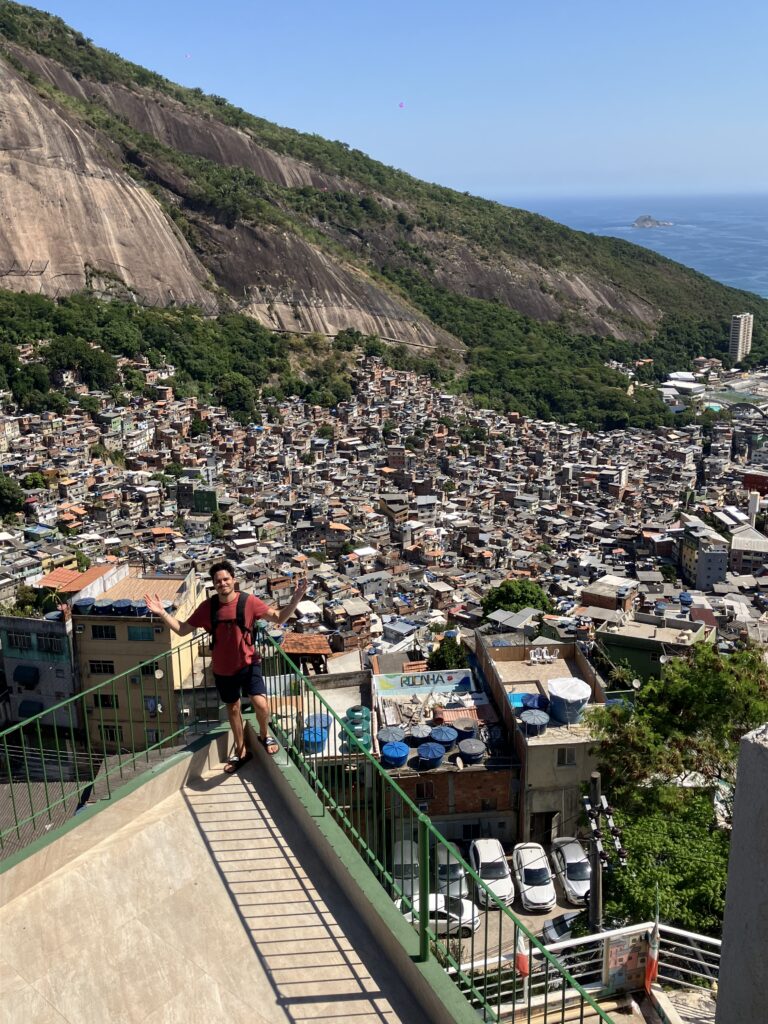
Rio is action-packed. It’s huge, busy, sometimes chaotic, and full of energy. There’s a lively hostel scene, an extensive metro system, beaches filled with people playing volleyball and footvolley, and countless opportunities to socialize. Samba spills out of bars and onto the streets, while other venues offer everything from forró and electronic music to Brazilian funk.
I also appreciate that Rio still feels authentically Brazilian despite being an internationally famous tourist destination. Portuguese dominates everyday life, and outside the most tourist-oriented establishments, you’re very much experiencing a Brazilian city rather than a place designed exclusively for foreign visitors. These are some of the reasons why it’s one of my favorite cities in the world.


It isn’t perfect. Rio has its frustrations, including crime, inequality, traffic, and genuine safety concerns. But I love its energy, natural beauty, social atmosphere, and sheer variety of things to do.
This guide isn’t intended to tell you exactly how many days to spend in Rio or give you an itinerary to follow. It’s a collection of firsthand experiences, honest recommendations, and practical information from my time exploring the city as an independent backpacker.
Whether you’re visiting for a week or staying for a couple of months, hopefully you’ll discover something useful.
In order to make this worth your while, I’ll be discussing:
- Where to stay
- Things to do & specific places to go (in depth)
- Transportation
- Food
- Nightlife & music scene overview
- Practical advice & costs
All from four months in Rio. Take your time reading through it all! Let’s get started.
Where to Stay in Rio de Janeiro: Neighborhoods, Hostels & Airbnbs
Rio is a sprawling city, so choosing the right neighborhood can make a huge difference to your experience.
As a backpacker, I generally stay in hostels and occasionally stay at Airbnb’s to unwind for a few days. I’ve spent the most time at places around Santa Teresa, Lapa, and Glória, although I’ve also stayed near the beaches in Ipanema and explored much of the city.
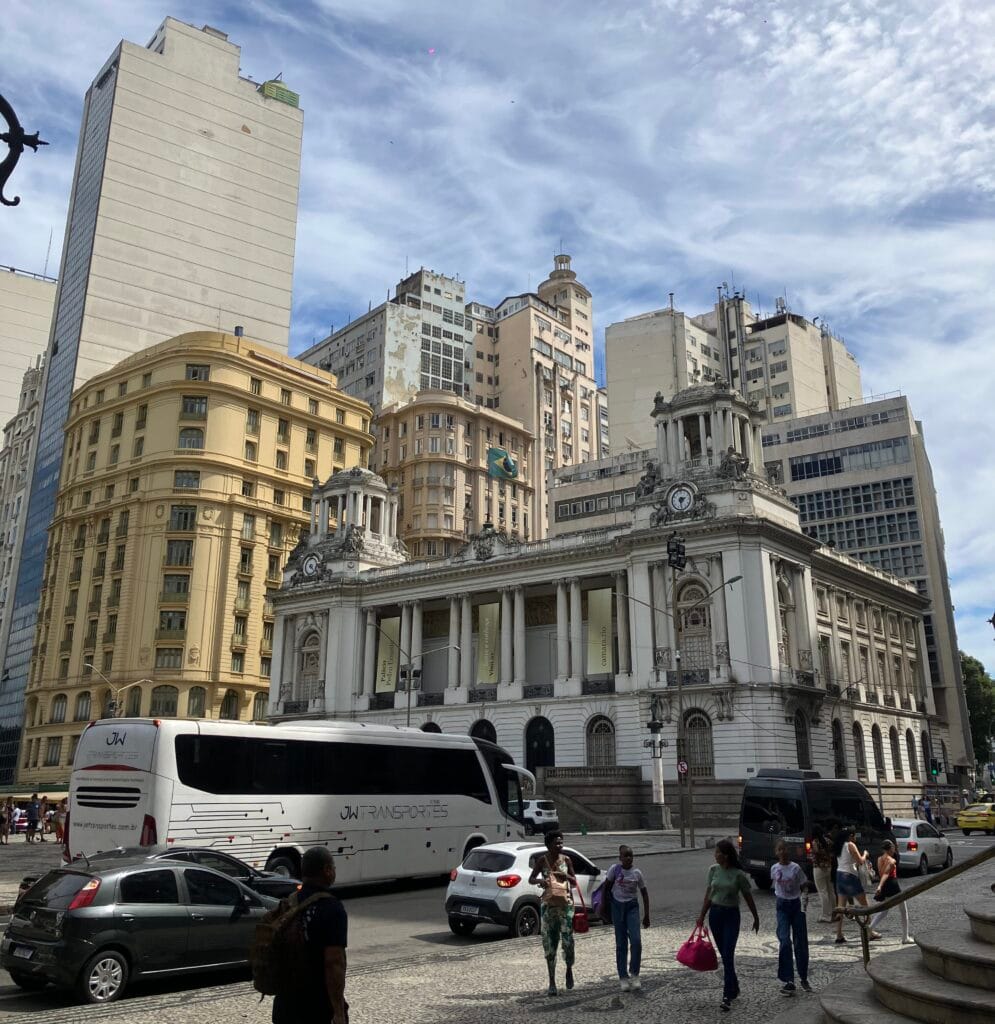
SANTA TERESA, LAPA & GLÓRIA: MY FAVORITE BASE
These neighboring areas offer a great combination of affordability, nightlife, local character, and/or convenient access to the rest of the city.
Santa Teresa is a charming, bohemian hillside neighborhood with winding cobblestone streets, older buildings, restaurants, and some beautiful views. It’s a great place to explore and has several excellent hostels. Just remember that the steep streets can become exhausting, especially when walking home.
Lapa is one of Rio’s main nightlife districts, known for samba, bars, live music, and the famous Arcos da Lapa. It’s lively, gritty, and full of character. I enjoy spending time here, although extra caution is advisable late at night.
Glória sits between Lapa and Flamengo. It’s one of my favorite practical locations because it offers a metro station, a neighborhood atmosphere, and easy access to both the city center and the South Zone.
My favorite hostels in this general area include:
- Castelo dos Tucanos: (Free breakfast) A huge hostel, and one of my personal favorites, perfect for digital nomads. The swimming pool, communal spaces, excellent free breakfast, bar, happy hour and overall atmosphere make it an excellent place to relax or meet people. The only downside is its hillside location is somewhat isolated.
- Mambembe Hostel: (Free breakfast) A very affordable option. This cozy, compact Santa Teresa hostel has a laid-back social atmosphere. It feels more like a home than a hostel sometimes. This is a good option for travelers who want to meet people without staying in a full-on party hostel.
- Hostel Sunrise: Another personal favorite, perfectly situated near the edge of Santa Teresa, between Lapa and Glória. I particularly love the location. The atmosphere is great and I’m drawn to the open-air layout, pool and balcony, views of the city, and quick access to Glória metro station.
- Discovery Hostel: (Free breakfast) I haven’t stayed here personally, but it’s a popular, social hostel in Glória, conveniently located near the metro. It’s a great option for solo travelers who want organized activities and an easy way to meet other backpackers.
The most popular party hostel in the area is Books Hostel. It’s a bit too chaotic and tiny for me for me to stay there as a digital nomad and yoga practitioner, but it’s a great way to meet other travelers before going out.
Books hosts a daily happy hour from 7:00 PM to 11:00 PM and non-guests are welcome. Feel free to join! The hostel is conveniently located a block away from the main strip in Lapa.
IPANEMA, COPACABANA & LEME: FOR BEACH LOVERS
If you want the beach to be the center of your Rio experience, the South Zone is probably your best option. Compared to grittier areas of the city where drugs and homelessness are more prevelant, the South Zone feels more cleaned up. You can tell it’s where the money is invested.
Ipanema has the best beach atmosphere, excellent cycling access, restaurants, shops, and a generally more polished feel. It’s one of my favorite areas to spend time during the day.
Copacabana is larger, busier, and filled with accommodation options. It has a lively beachfront, plenty of commercial activity, and convenient metro access.
Leme, at the eastern end of Copacabana, feels somewhat more residential and relaxed while remaining close to the action.
Some hostel options worth considering:
- Mango Tree Hostel, Ipanema: A nice hostel in an excellent location near the beach. It’s more expensive than many alternatives, but a good choice if you want comfort and somewhere to work.
- Pura Vida Hostel, Copacabana: Highly regarded and a great party hostel near the boundary of Copacabana and Ipanema. Its location and social environment make it particularly attractive for travelers who want to meet people and go out.
- Bamboo Rio Hostel, Copacabana: Another sociable, party-oriented option that can be relatively affordable compared with some other beach-area hostels. Bamboo also has a location in Búzios, a great beach town I visited about 3-4 hours away from Rio. It’s a well-run brand and establishment.
BOTAFOGO, FLAMENGO & OTHER AREAS
Botafogo is a trendy neighborhood with restaurants, cocktail bars, and a more intimate nightlife scene than Lapa. It’s a good choice if you enjoy going out but prefer something less chaotic.
Flamengo offers a more residential atmosphere, a large waterfront park, and convenient metro access. It can be a practical compromise between the beaches and the city center.
Tijuca is another possibility for travelers interested in a more residential, local environment, although it’s less convenient for frequent beach visits.
Barra da Tijuca has long beaches and modern development, but its greater distances and reliance on road transportation make it less appealing to me as a first base for backpacking Rio.
HOW MUCH DOES ACCOMMODATION COST?
For a general non-Carnival budget, expect roughly:
| Accommodation | Approximate nightly cost |
|---|---|
| Hostel dorm bed (at a good hostel) | R$75–175 |
| Private hostel room | R$200–400 |
| Airbnb private room | R$150–400 |
| Entire Airbnb apartment | R$250–900 |
These are broad planning estimates, not guaranteed rates. Location, season, apartment size, booking fees, and availability can make a big difference.
Ipanema and desirable beachfront locations generally command higher prices, while Santa Teresa, Glória, and parts of Lapa can offer better value. For Airbnbs, compare the full total including cleaning and service fees, not just the advertised nightly rate.
Important note: During Carnival, accommodation prices skyrocket. I’ve personally found that sharing an entire Airbnb with a group can be a more economical option than paying inflated hostel rates.
For much more detailed information about booking accommodation during Brazil’s biggest celebration, read my firsthand Rio Carnival guide.
My recommendation: If you’re priority is the quickest access to beaches and good hiking, stay around Ipanema or Copacabana. If you’re looking for nightlife, local character with good value, I’d lean toward Glória, Lapa, or Santa Teresa. Wherever you stay outside of the South Zone, being close to a metro station is a major advantage to reaching that area. I’ll be discussing transportation later in the article.
Things to Do in Rio de Janeiro: 23 of My Favorite Activities & Experiences
Rio has enough attractions and experiences to keep you entertained for weeks. Some are internationally famous, while others are more about enjoying the city the way locals do.
Here are the activities I’d personally recommend.
1. HIKE MORRO DOIS IRMÃOS & PEDRA BONITA


If there’s one type of activity I especially recommend in Rio, it’s hiking. The city’s mountains provide extraordinary views of the beaches, ocean, forests, and neighborhoods below.
Morro Dois Irmãos (seen in the photos above) is one of my favorite hikes, particularly for sunrise. The trail begins above Vidigal and leads to a spectacular viewpoint overlooking Ipanema, Leblon, Lagoa Rodrigo de Freitas, and the surrounding coastline.
Pedra Bonita is another rewarding option, with expansive views of the dramatic mountain landscape, including Pedra da Gávea. It’s an excellent hike for travelers who want spectacular scenery without committing to a particularly strenuous climb. Rappelling and paragliding are examples of other activities to pursue here.


Both Morro dis Irmãos and Pedra Bonita offer a different perspective on Rio from its famous paid attractions. For trail information, access details, and my firsthand experiences for both of these hikes, check out my guide to two hikes in Rio de Janeiro.
2. RIDE A BICYCLE AROUND LAGOA RODRIGO DE FREITAS & ALONG THE OCEAN FRONT
One of my favorite daytime activities in Rio is cycling around Lagoa Rodrigo de Freitas, the beautiful lagoon just inland from Ipanema and Leblon.
The lagoon has a roughly 7.5-kilometer cycling circuit, surrounded by mountains, greenery, and city scenery. At a comfortable pace, you can complete a loop in approximately 30–45 minutes, although I’d allow an hour or more to enjoy the surroundings.
It’s a liberating escape from the crowded beaches without actually leaving the heart of the city.
I rented a bicycle from one of the public bike stations in the area. Bike Itaú operates a bike-sharing system with regular and electric bicycles, with short-ride and multi-ride options available through its app. Check the current rates and ride limits before unlocking, as longer rides can incur additional charges.
Another excellent route
I particularly enjoyed the ride is the from Leme through Copacabana and Ipanema toward Leblon. Between the beaches, mountains, hotels, and constant activity, it’s one of the best ways to appreciate Rio’s incredible urban landscape.
3. EXPERIENCE RIO’S BEACHES & BEACH SPORTS
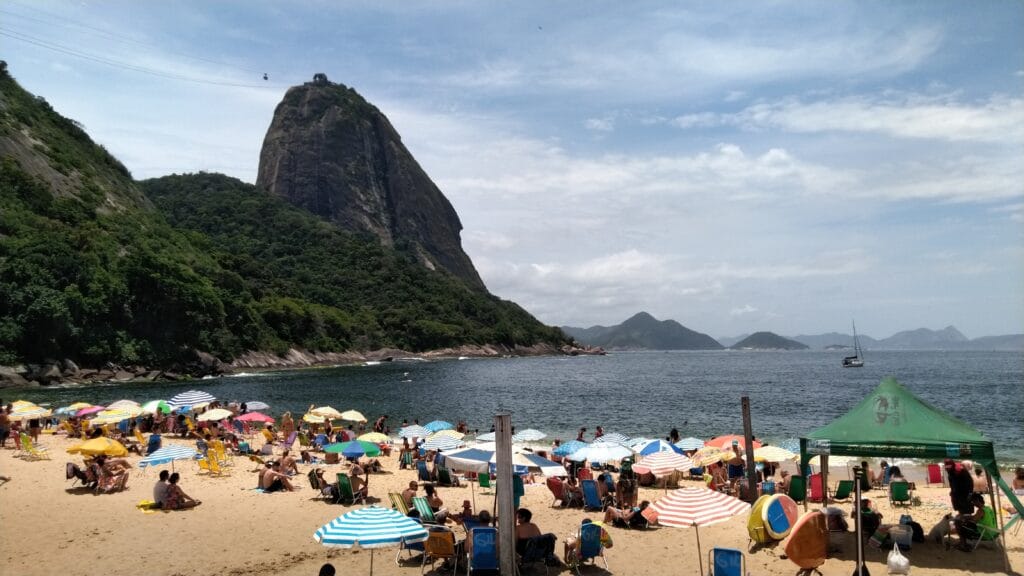


You don’t need to be a dedicated beach person to enjoy Rio’s coastline. The beaches are social spaces, sports grounds, meeting points, and some of the best places to observe everyday Carioca life.
My three personal favorites are:
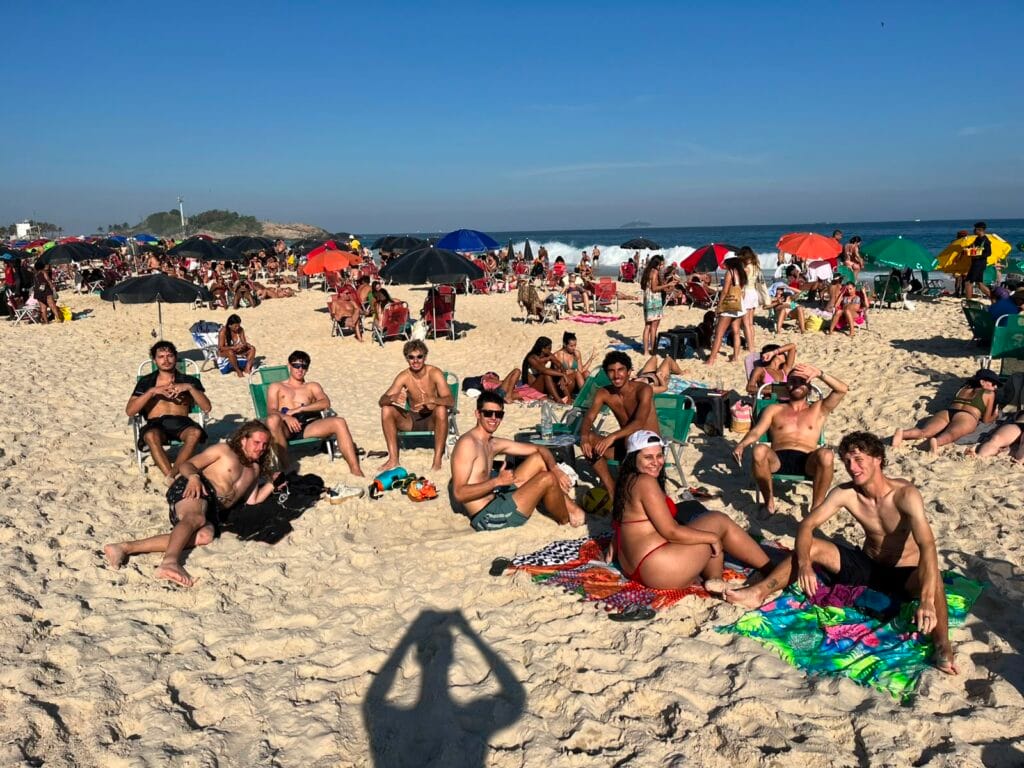
Ipanema Beach: My favorite overall for its lively atmosphere, beautiful scenery, and spectacular sunsets. It’s a fantastic place to spend an afternoon swimming, relaxing, socializing, or watching people play beach sports.
Praia Vermelha: A much smaller beach near the base of Sugarloaf Mountain. The surrounding mountains give it a cozy, enclosed atmosphere, and the water is often calmer than at the open-ocean beaches. It’s one of Rio’s most visually distinctive beaches.
Flamengo Beach: More local, less people, and much less tourist-oriented than Ipanema or Copacabana. I especially like the surrounding parkland and recreational areas. Swimming conditions in Guanabara Bay can vary, so check official water-quality reports before entering the water.
Beach Sports


Beach sports are an important part of Rio’s culture. You’ll regularly see people playing volleyball, futevôlei (footvolley), and altinha, a cooperative game in which players keep a football in the air without using their hands. Classes our reaadily available to learn futevôlei if you’d like to take part in the action.
Even if you don’t participate, watching the action is entertaining.
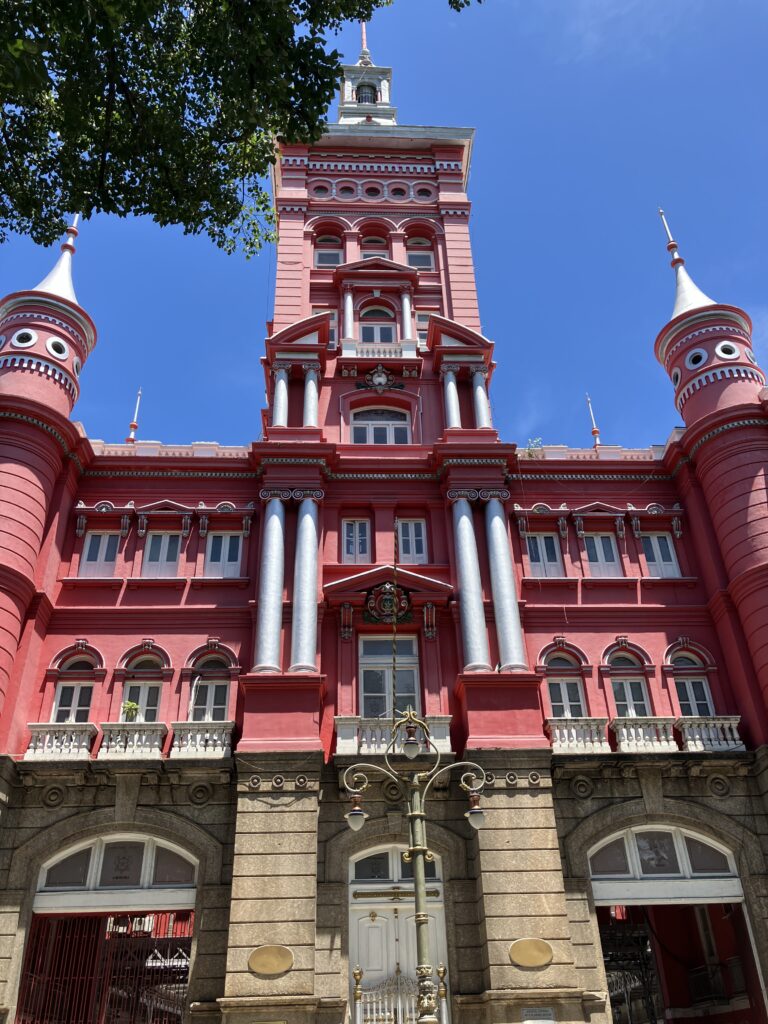
4. VISIT THE PALACIO DO CATETE
One of Rio’s most underrated attractions is the beautiful Palácio do Catete, now home to the Museu da República.
Built in the nineteenth century, the palace later served as the seat of Brazil’s presidency from 1897 until the national capital moved to Brasília in 1960.


The building’s richly decorated interiors, elegant staircases, and historic rooms offer a fascinating glimpse into Brazil’s political past.
It’s also associated with President Getúlio Vargas, who died there in 1954.
The surrounding gardens are lovely and worth visiting on their own.


Visiting hours: The museum currently lists Wednesday through Sunday, 11 AM–5 PM, with the gardens open daily from 8 AM–6 PM. Admission is free.
5. SUPPORT LOCAL ENTREPRENEURS AT THE SUNDAY FEIRA DA GLÓRIA
The Sunday market in Glória is my favorite market in Rio. It covers a lot of space, so you’ll come across a ton of options when shopoping around.
It’s a extremely vast outdoor gathering of artisans selling a variety of items like clothes, accessories, art, and jewelry, along with food vendors selling fresh fruit, vegetables, specialty foods, fresh fish, meat, juices, snacks, and other goods.
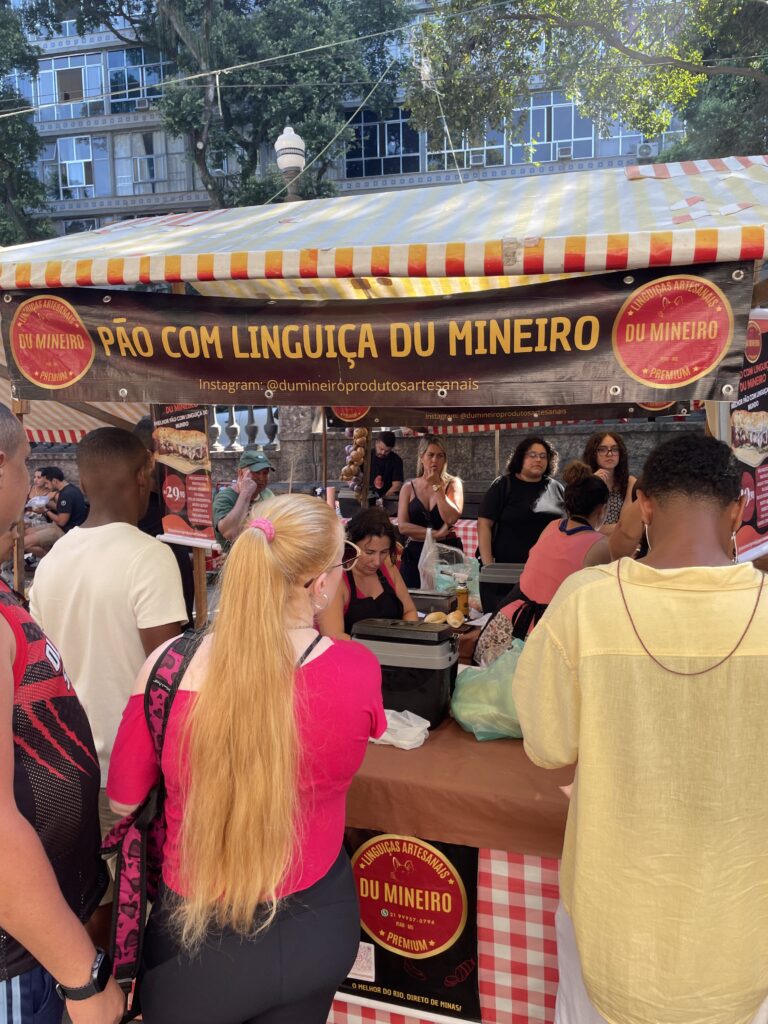


It’s a great opportunity to experience local commerce, try different foods, and enjoy a different side of the city.
The traditional morning market is best visited early, generally around 7 AM to early afternoon, although nearby Sunday artisan activities can continue later.
I recommend arriving hungry and taking your time.
6. ENJOY LIVE SAMBA & PAGODE AROUND LAPA
If you want to experience Rio’s music culture, Lapa is one of the first neighborhoods I’d recommend.
The famous Arcos da Lapa are the architectural centerpiece of the district, with the striking Metropolitan Cathedral located nearby. At night, the surrounding streets fill with bars, food vendors, music, and people socializing.
A few places in the area I recommend include:
Botequim Vaca Atolada: (Free entry) A lively and compact place for live samba, with a passionate energetic atmosphere inside and a lot of socializing outside. It can get very packed and hot inside on busy nights. Nothing fancy here. Just order a large ice cold beer and listen to live music. It’s standing room only, but there is seating outside in front of the tiny venue.
Beco do Rato: Another excellent samba venue, known for its intimate environment and enthusiastic crowds.
Pagode da Garagem: A great place to experience pagode, a popular style related to samba with a particularly social, singalong atmosphere. Inside is a dark, lively environment. Out front is a large patio area for socializing. Check operating days/hours.
A couple more upscale options include:
Carioca da Gema: One of Lapa’s most iconic samba venues, offering a traditional samba. The atmosphere resembles a cozy live music club, with wooden tables, warm lighting, a bar serving cocktails and Brazilian food, and a stage where talented musicians perform samba, choro, and other Brazilian musical styles.
Rio Scenarium: One of Rio’s most distinctive live music venues, housed in a beautifully decorated 19th-century mansion. It’s like an elegant cocktail lounge with the energy of a traditional Brazilian samba show. The three-story venue is filled with antique furniture, chandeliers, and vintage decorations. You relax at tables with cocktails and food while enjoying live performances, or head toward the main stage and dance floor to join the action
Other non-Samba related places I like in the area:
Destilaria Maravilha: (Free entry) A cocktail-focused spot that I enjoyed for its atmosphere and somewhat lower-key setting away from Lapa’s busiest strip.
Bar da Cachaça: (Free seating) A classic restaurant/bar to sit outside with friends like locals do, have a few drinks, and experience the casual social atmosphere of Rio’s nightlife.
For larger concerts, check the schedule at Fundição Progresso, an established cultural venue that hosts major performances and special events. It isn’t a nightly samba bar, so tickets and dates depend on the individual event.
Lapa can be a fantastic night out, but it’s also an area where you should be particularly careful with your phone and belongings, especially late at night.
7. PERUSE SANTA TERESA & RIDE THE HISTORIC TRAM


Santa Teresa is one of Rio’s most charming neighborhoods.
The winding cobblestone streets, colorful buildings, hillside houses, old architecture, and occasional panoramic views give it a completely different atmosphere from the flat beachfront districts.
I’d recommend exploring fairly early in the morning, when you can enjoy the neighborhood’s cafés, restaurants, and streets without feeling rushed.
You can begin near the famous Escadaria Selarón, the colorful mosaic staircase created by Chilean-born artist Jorge Selarón. It’s extremely popular and often crowded, so arriving before approximately 9:30 AM can make the experience more pleasant.
From there, head uphill and explore Santa Teresa itself. Grab a coffee and then catch an early lunch at one of the local restaurants. I have some personal recommendations further along in the article.

The Santa Teresa tram
Another classic experience is riding the historic yellow Santa Teresa tram, which departs from the city center near Carioca and crosses the famous Arcos da Lapa before climbing into the neighborhood.
The arches were originally built as an aqueduct and later adapted to carry the tram. Riding across them is a memorable way to experience one of Rio’s most recognizable landmarks.
Check the current tram timetable and fare before visiting, since service schedules can change.
And remember: Santa Teresa has some seriously steep streets!
8. WATCH THE SUNSET AT ARPOADOR OR IPANEMA BEACH
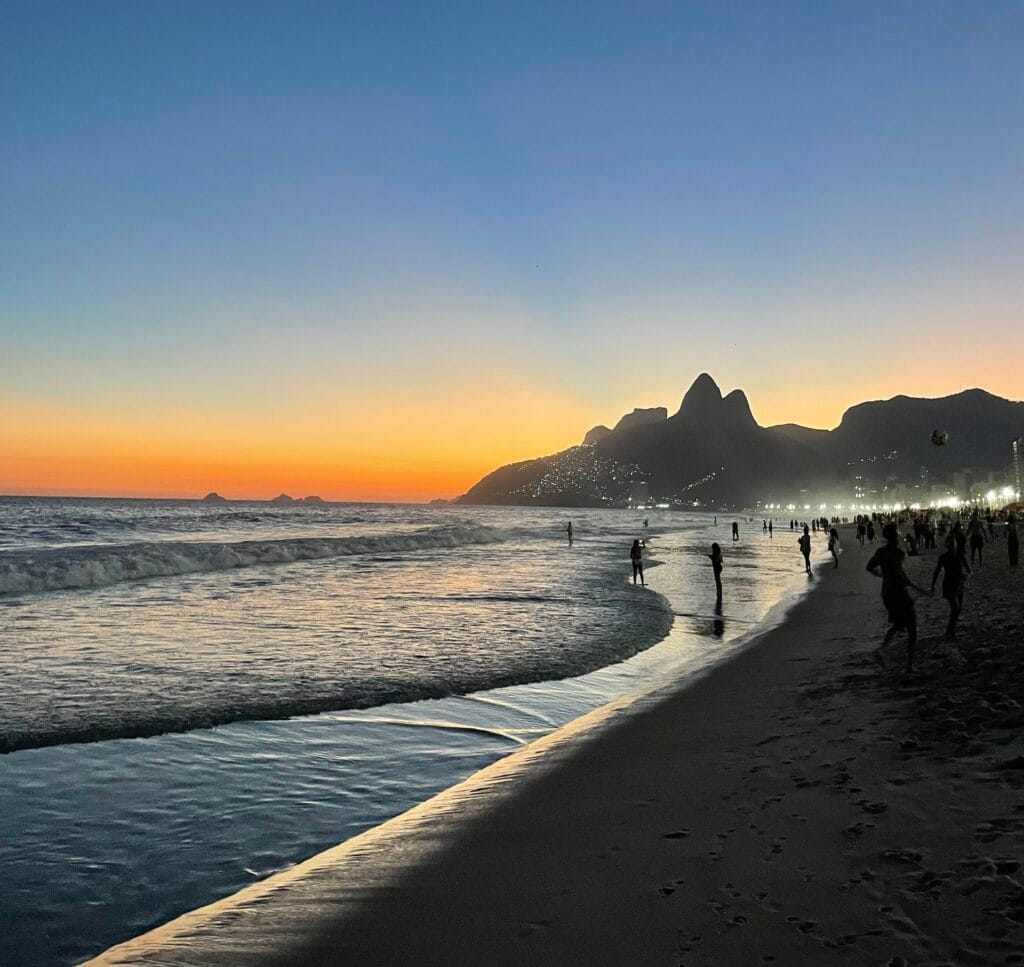

Rio’s sunsets deserve their own recommendation.
The rocky peninsula of Arpoador, between Copacabana and Ipanema, is one of the city’s most popular sunset viewpoints. People gather on the rocks to watch the sun disappear behind the mountains near the western end of Ipanema.
You can also enjoy the spectacle directly from Ipanema Beach.
It’s simple, free, and genuinely one of my favorite experiences in Rio.
9. VISIT THE REAL GABINETE PORTUGUÊS DE LEITURA
I like to call this place the Hogwarts Library.
The Real Gabinete Português de Leitura is one of the most beautiful libraries I’ve ever seen, with towering wooden bookshelves, ornate architectural details, and an extraordinary historic reading room.

Founded in 1837 by Portuguese immigrants, the institution preserves an important collection of Portuguese-language literature and cultural history.
It’s located in Centro and is free to visit.
It’s also extremely photogenic, so expect plenty of visitors taking pictures. In my experience, though, entry is straightforward and doesn’t require a lengthy wait.
Visiting hours: Monday through Friday, 10 AM–5 PM. I’d recommend going on a weekday, preferably earlier in the day.
10. EXPERIENCE PEDRA DO SAL ON A FRIDAY NIGHT
Pedra do Sal is a historic site in Rio’s Saúde neighborhood, closely associated with the city’s Afro-Brazilian heritage and the development of samba. Today, it’s famous for its outdoor samba gatherings, where musicians perform and crowds fill the surrounding streets and tons of vendors serve street food and alcholic beverages.
Monday nights are particularly famous, but I personally prefer Fridays. Mondays can become overwhelmingly crowded, to the point where the atmosphere feels claustrophobic. Fridays tend to offer a more relaxed, local-feeling experience, although they can still be busy.
Below are photos from a busy Monday night, so you can get an idea of what to expect.


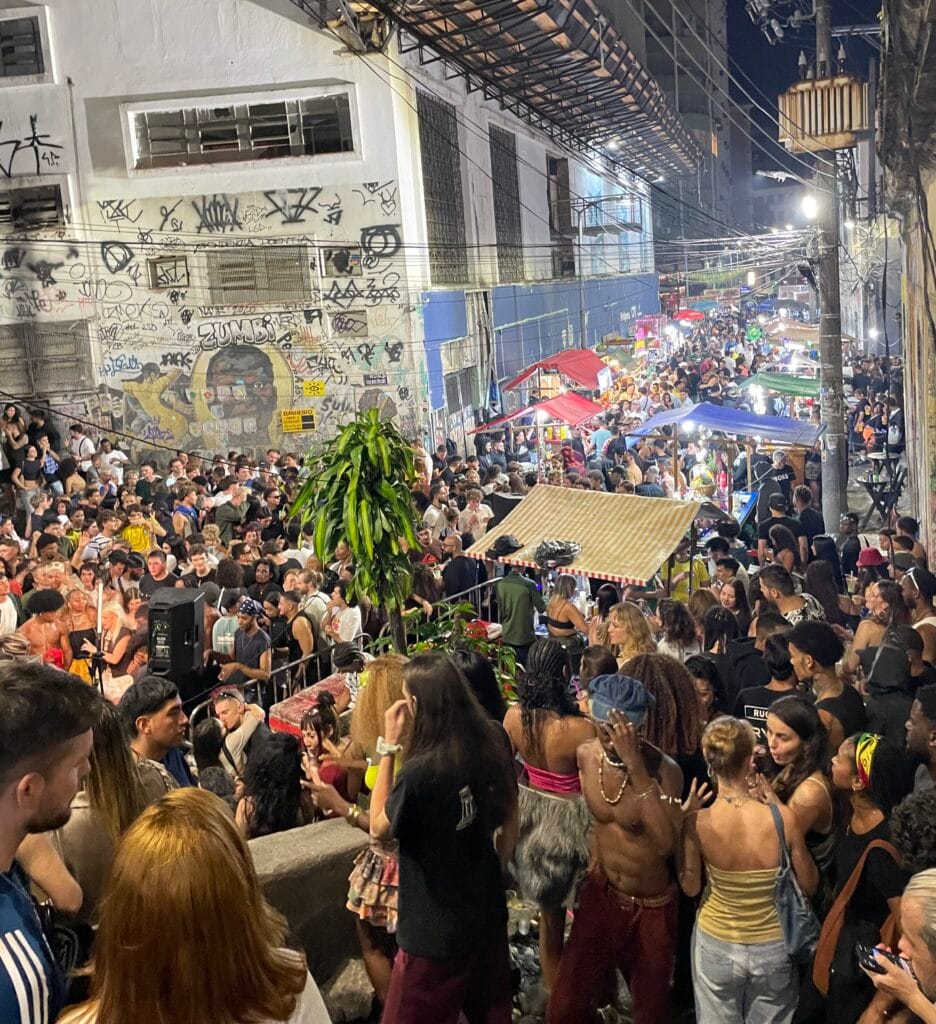
If you love enormous crowds and want to see the big event, by all means experience a Monday night. But if you prefer having a little more room to socialize and enjoy the music, Friday is my recommendation. Generally speaking, during winter in Rio, Mondays aren’t so packed.
Side note: After the event is over, KZA De Sal is a nightclub right next door where the party continues.
11. TAKE A SUNSET RIDE ON THE TELEFÉRICO DA PROVIDÊNCIA
One of Rio’s lesser-known attractions is the Teleférico da Providência, a cable car system that travels above Morro da Providência, a historic favela near the city center.
Originally built to provide transportation for local residents, the cable car connects Central do Brasil, the hilltop community of Providência, and the port neighborhood of Gamboa.
It’s a short ride, but the elevated views of the densely packed neighborhood, surrounding hills, Guanabara Bay, and Rio’s urban landscape make it a memorable experience.
My recommendation is to take a round-trip ride in the late afternoon, ideally around sunset. If you’re lucky enough to catch the sun setting while suspended above the neighborhood, the scenery can be spectacular!
The entire journey is only about 721 meters, with each ride taking approximately three minutes, so this isn’t a lengthy sightseeing excursion. But it’s an excellent way to experience a different perspective of Rio, away from the famous beaches and tourist attractions.
And the best part? It’s completely free, even for visitors.
Practical information:
- Cost: Free.
- Stations: Central do Brasil, Américo Brum (Morro da Providência), and Gamboa.
- Operating hours: Monday–Friday, 6 AM–11 PM; Saturday, 6 AM–7 PM; Sunday and holidays, 8 AM–4 PM.
- Best time to visit: Late afternoon on a weekday or Saturday if you want to catch the sunset.
Since this is primarily public transportation for local residents, be respectful of the community and avoid photographing people or their homes intrusively.
For a quick, scenic, and completely free experience, this is one of my favorite underrated activities in Rio.
12. ATTEND A FOOTBALL MATCH
Football is a major part of Brazilian culture, and Rio is home to four famous clubs: Flamengo, Fluminense, Vasco da Gama, and Botafogo.
Attending a match is a great way to experience the city’s passion for the sport.
The historic Maracanã Stadium is particularly famous and hosts major matches, including games involving Flamengo and Fluminense.
Important note: Before buying tickets, check the club’s official website for the current registration and entry requirements. Some matches require online identification and facial-recognition enrollment, so don’t assume you can simply arrive at the stadium and purchase a ticket at the gate.
13. VISIT RIO’S HISTORIC CHURCHES AND SÃO BENTO MONASTERY

Rio has several impressive religious buildings, and three in particular are worth visiting.
Catedral Metropolitana de São Sebastião: Rio’s modern Metropolitan Cathedral looks completely different from a traditional European-style church. Its enormous conical concrete structure rises dramatically above the surrounding city, while towering stained-glass windows fill the interior with colored light.
Mosteiro de São Bento: A historic Benedictine monastery with an extraordinary Baroque church interior featuring elaborate gilded woodwork. If you’re interested in sacred music, the monastery is particularly special. Its Sunday conventual Mass, generally celebrated at 10 AM, includes Gregorian chant. Even if you’re not religious, the architecture and musical tradition are worth appreciating. Be respectful of worshippers and check service times before visiting.
Igreja de Nossa Senhora da Candelária: A grand historic church in Centro, recognizable for its imposing dome, classical façade, and richly decorated interior.
14. TAKE A DAY TRIP TO NITERÓI, HIKE TO MIRANTE DA TAPERA & ENJOY THE BEACHES


Across Guanabara Bay from Rio lies Niterói, a city that offers beautiful scenery and a worthwhile change of pace.
One of my favorite experiences there involved hiking to Mirante de Tapera, a gorgeous viewpoint and exploring the coastline, including a larger beach and a smaller, rocky, more enclosed beach nearby.
It’s an excellent opportunity to discover a quieter coastal environment away from Rio’s busiest tourist areas.
You can reach Niterói by ferry or road, depending on where you’re going. For more distant beaches and trailheads, you’ll likely need additional transportation.
If you have extra time in Rio and enjoy outdoor activities, I’d highly recommend exploring this side of the bay.
15. EXPERIENCE CARNIVAL IN RIO DE JANEIRO
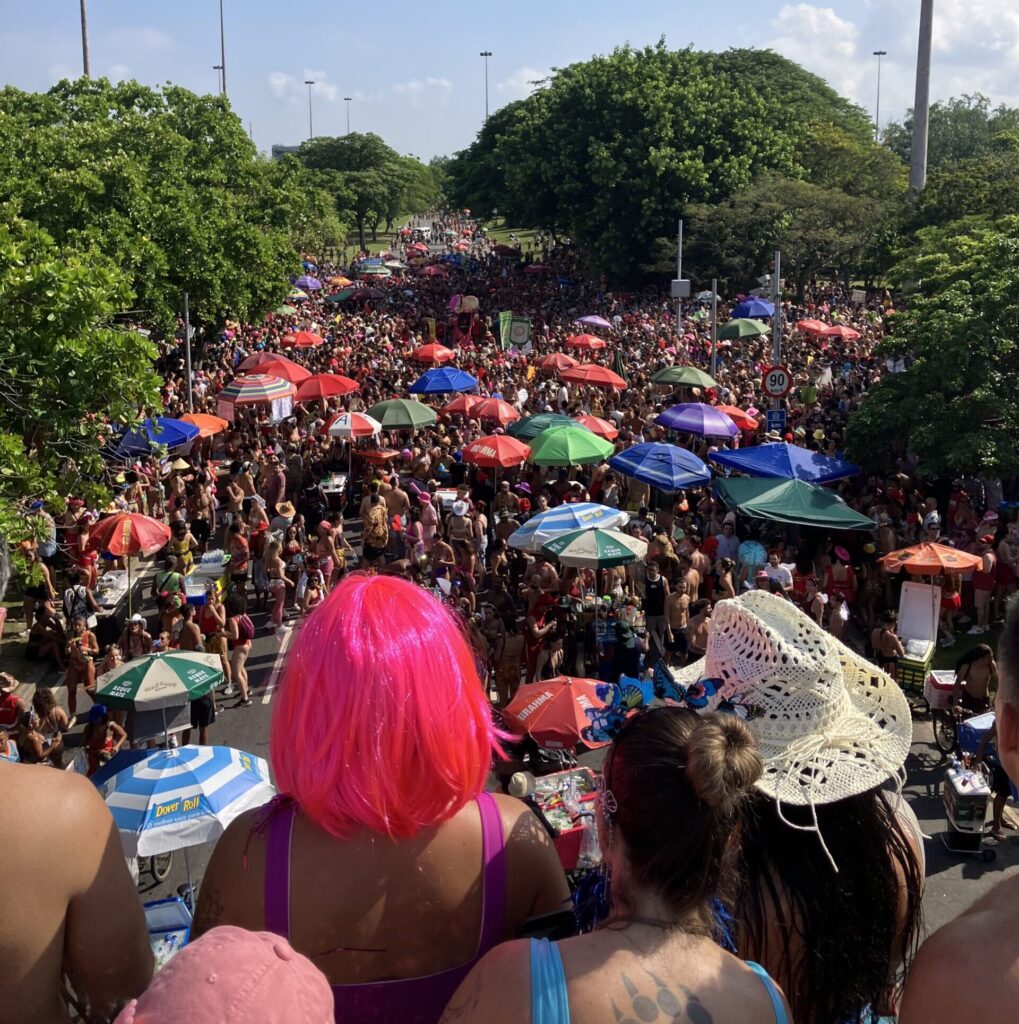


If you’re fortunate enough to visit during Carnival, you’re in for one of the world’s great celebrations.
Rio’s Carnival combines massive street parties known as blocos, samba performances, elaborate costumes, parades, and an extraordinary citywide party atmosphere.
I’ve experienced Carnival in Rio twice, in 2025 and 2026.
What makes it special isn’t just the famous Sambadrome parades. It’s the way entire neighborhoods transform into gathering places, with music and celebrations taking place throughout the city.
The pre-Carnival period is also worth experiencing. The celebrations gradually build in intensity before the official holiday, offering a somewhat less chaotic introduction to the festivities.
As I mentioned before, for everything from accommodation and transportation to neighborhood recommendations, safety, and the street parties themselves, read my complete firsthand guide to Carnival in Rio de Janeiro.
16. EXPLORE TIJUCA NATIONAL PARK
Rio’s mountains aren’t just impressive to look at. Much of the surrounding forest is protected within Tijuca National Park, one of the city’s greatest natural attractions.
The park contains hiking trails, waterfalls, forest roads, viewpoints, and opportunities to observe wildlife.
It’s a great option for anyone who wants to experience the tropical environment that makes Rio so visually unique.
Choose trails according to your experience level, check current access conditions, and avoid unfamiliar isolated routes without appropriate preparation.
17. ATTEND A LANGUAGE EXCHANGE
The Mundo Lingo event at Bar Bukowski in Botafogo is a dynamic weekly language exchange where individualize socialize and practice speaking foreign language.
The event begins at 7:00 PM, and closer to 10:00 PM it transitions from a structured social meetup to a standard nightlife experience. The 2 story venue has multiple rooms, bars, and a large patio area.
18. VISIT CHRIST THE REDEEMER & SUGARLOAF MOUNTAIN
These are Rio’s two most famous tourist attractions, and both provide spectacular views of the city. In my humble opinion, they’re overrated, but still worth a visit.
Christ the Redeemer, located on Corcovado Mountain within Tijuca National Park, is one of Brazil’s most recognizable landmarks.
I’ve visited it myself, and while the monument is very impressive, the crowds can be overwhelming. Cloud cover can also interfere with the panoramic views, as I experienced during my visit.


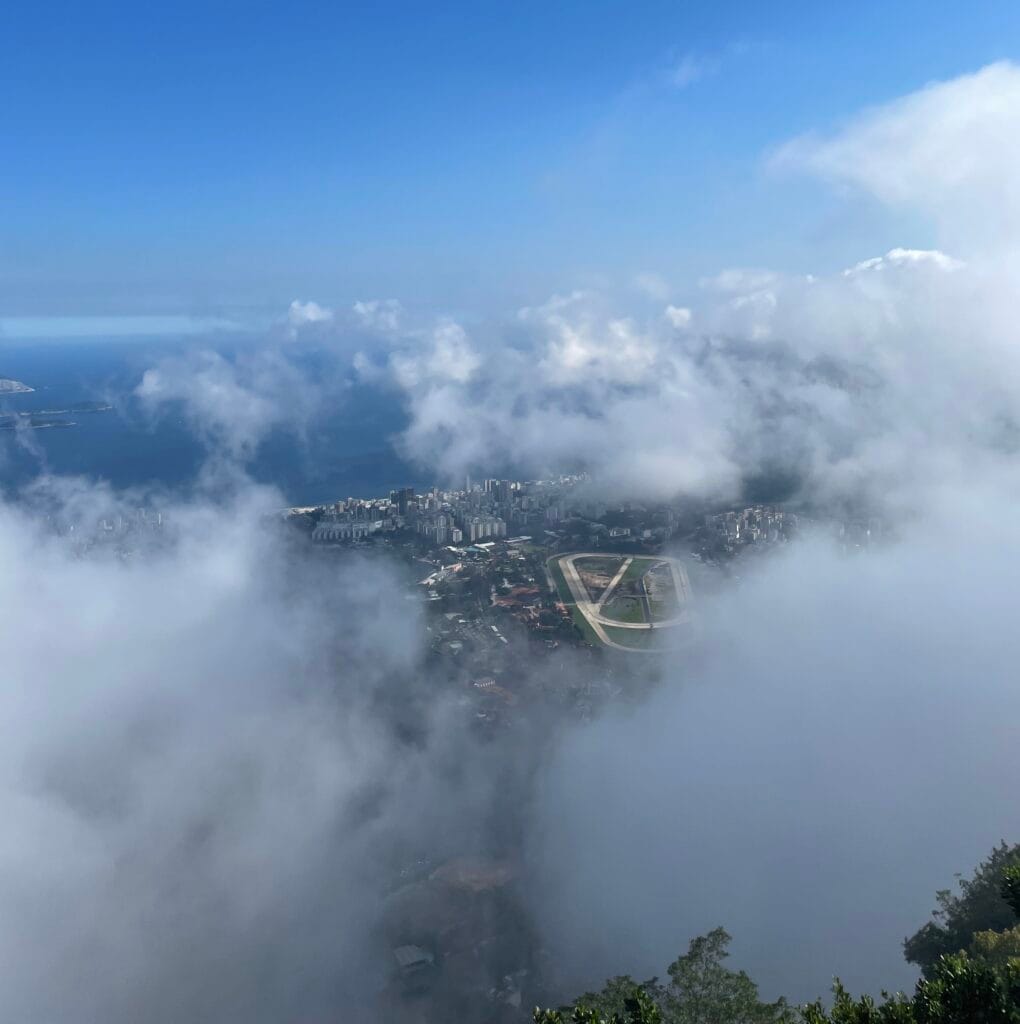
I wouldn’t necessarily consider it essential if you’re short on time and already planning to do some of Rio’s excellent hikes. But if seeing the statue is something you’ve always wanted to do, go for it!
Read my firsthand guide to visiting Christ the Redeemer for transportation options, tickets, and my experience.
Sugarloaf Mountain, or Pão de Açúcar, is reached by a two-stage cable car journey from Praia Vermelha. The first stage takes you to Morro da Urca, followed by a second cable car to the higher Sugarloaf summit.
A standard adult ticket is currently around R$205, covering both cable car stages.
Personally, I’ve been to Morro da Urca but not the Sugarloaf summit. I recommend hiking the trail to Morro da Urca instead of paying for the first cable car experience if you’re comfortable hiking. The trail generally takes around 30–45 minutes, and the views from the top are already excellent. The cable cars are way too crowded and the ride is super short.



Morro da Urca also has a lot of restaurants, shops, viewpoints, and occasional sunset entertainment or DJ events. Check the official event schedule if you want to combine your hike with music.
If you’re determined to reach the actual Sugarloaf summit, you’ll generally need a cable car ticket. Don’t assume that hiking to Morro da Urca guarantees access to a cheaper second-stage-only ticket.
For backpackers on a budget, I’d prioritize Rio’s free hikes and consider the cable car an optional splurge.
19. GO SHOPPING IN CENTRO OR CATETE
Not every activity in Rio needs to involve an attraction.
If you enjoy exploring cities on foot, spending time in Rio’s commercial districts can be entertaining in itself.
Centro has a huge market, busy shopping streets, small shops, and vendors selling everything from clothing and accessories to inexpensive everyday goods.
Catete, particularly along Rua do Catete, has an active commercial strip with affordable shops, restaurants, and plenty of local foot traffic.
These aren’t glamorous tourist attractions, but they’re great places to experience the everyday rhythm of the city. Wondering on foot is one of the ways I bond with a place.
I once walked 1 hour from Trem do Corcovado to the Gloria metro station, strolling through the neighborhoods of Cosme Velho and Laranjeiras, just to do it. When you see non-touristic neighborhoods, you learn so much more about the fabric of a city. If you decide to settle somewhere long-term, you discover quality places to live for locals.
20. JOIN A YACHT PARTY

For a completely different kind of Rio experience, consider joining a yacht party.
I attended one that included food, drinks, music, and a lively social atmosphere while cruising on the water.
It was a really fun experience and a great opportunity to meet people.
Some organized yacht parties offer all-inclusive food and drinks, while others charge separately, so read the details carefully before booking.
21. EXPLORE PARQUE DO FLAMENGO LIKE A LOCAL
Parque do Flamengo, officially Parque Brigadeiro Eduardo Gomes, is an enormous waterfront green space stretching along Guanabara Bay. It’s also home to the best blocos during Carnival, in my opinion.
It’s a great place to walk, cycle, exercise, relax on the grass, or watch people playing sports.
The views across the bay toward the mountains are beautiful, and the atmosphere feels considerably more local than Rio’s famous South Zone beaches. If you want to experience a different side of Rio without spending money, this is a great option.
22. TAKE A SAMBA OR FORRO DANCE CLASS
If you’re spending time in Rio, why not learn a little Brazilian dancing?
Samba is deeply connected to Rio’s cultural identity, particularly through Carnival and the city’s famous samba schools.
Beginner classes can introduce you to the basic steps, rhythm, and movement without requiring previous dance experience.
Forró, originally from northeastern Brazil, is another fantastic option. It’s generally a partner dance and has a distinct musical and social culture.
Both can be great ways to meet people and engage with Brazilian culture beyond simply watching a performance.
You can look for local dance schools or organized beginner experiences.
23. EXPERIENCE FEIRA DE SÃO CRISTOVÃO

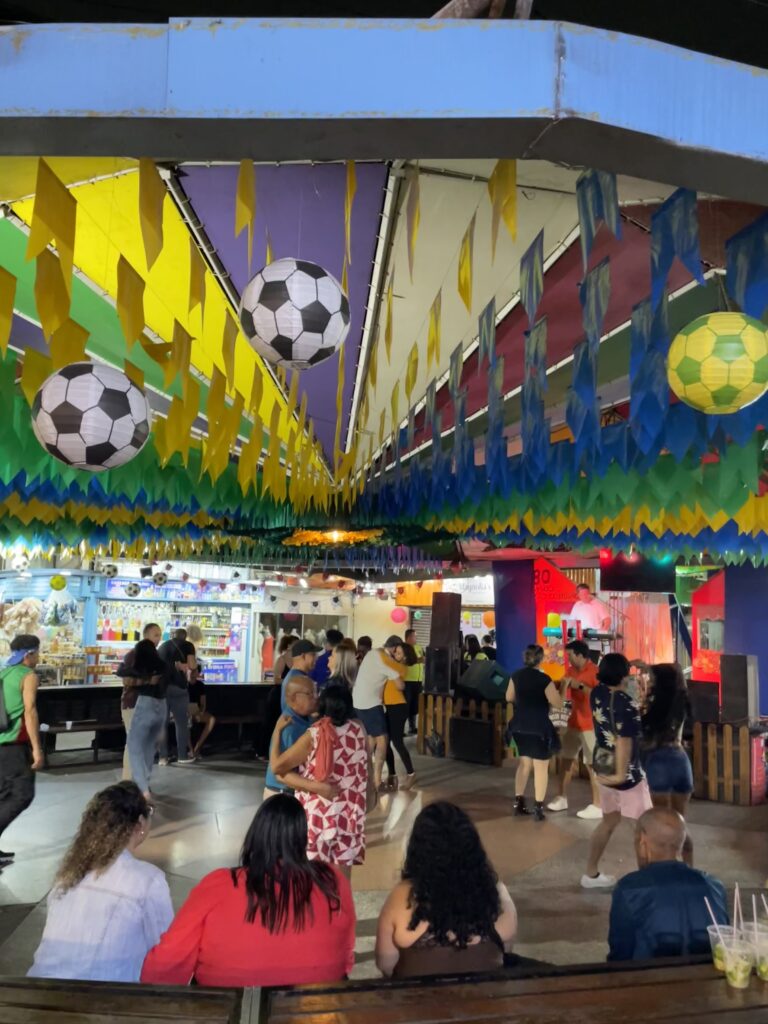
One of the most entertaining cultural experiences in Rio is the Feira de São Cristóvão, also known as the Centro Municipal Luiz Gonzaga de Tradições Nordestinas.
It’s a large market and entertainment complex dedicated to the culture of northeastern Brazil.
You’ll find regional food, handicrafts, shops, live performances, and plenty of dancing.
I especially recommend visiting on a Friday night, when the atmosphere becomes lively and the music and socializing continue late into the evening.
Forró is a major part of the experience, making this a particularly fun place to watch people dance or try it yourself.
The standard entrance price is currently around R$10 on Fridays through Sundays, although special concerts may cost more. Friday and Saturday activities can continue until approximately 4 AM.
I’d aim to arrive around 9 PM if you’re interested in the nightlife atmosphere.
Getting Around Rio de Janeiro
Rio is enormous, but getting around doesn’t have to be complicated.
METRO: MY PREFERRED TRANSPORTATION
The MetrôRio subway system is my favorite way to travel around the city.
It’s fast, clean, efficient, and avoids the heavy traffic that can make traveling by car frustrating.
The metro connects many important neighborhoods, including Ipanema, Copacabana, Botafogo, Flamengo, Glória, and parts of Centro.
I highly recommend choosing accommodation near a metro station. It makes a noticeable difference in your ability to explore Rio conveniently and affordably. Rio & Learn, a Brazilian language school, has an excellent overview Rio’s subway system https://rioandlearn.com/rio-de-janeiro-metro/.
For reference, the ride from the Gloria metro stop to the last stop in Copacabana takes around 15 minutes.
UBER, 99 & MOTORCYCLE TAXIS
Uber is widely available and especially useful late at night, early in the morning, or when you’re traveling somewhere without convenient metro access.
The Brazilian rideshare app 99 is another option worth comparing for prices. Foreign visitors should verify current account-registration and payment requirements before relying on it, since CPF and phone-number requirements can complicate signup.

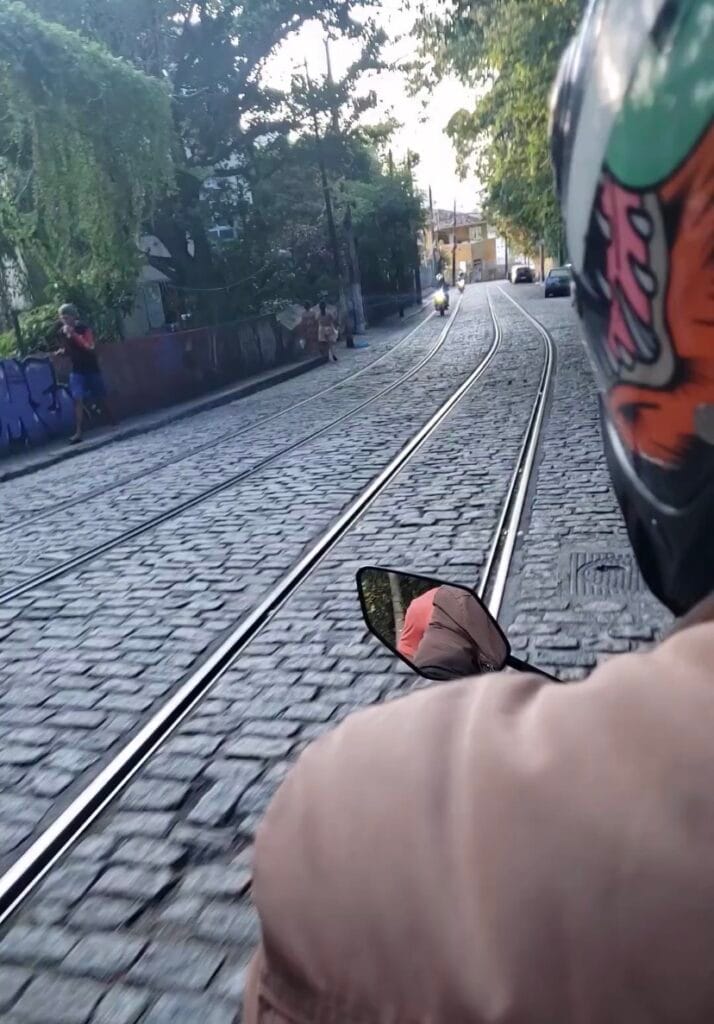
One of my favorite transportation options for short distances is the motorcycle taxi, including rides available through Uber Moto where the service operates. Motos are cheaper and can move through traffic MUCH faster than cars.
A lot of travelers I’ve met religiously take them even for long distances of 10-20 kilometers. I personally max out at like 5 km, otherwise it starts getting uncomfortable sitting on the back of the motorcycle.
During weekends or major events, I’ve found it difficult to catch a regular Uber near crowded beaches. During times like Carnival, even getting a mototaxi can be very difficult.
BICYCLES, BUSES & AIRPORT TRANSFERS
For the flatter beachfront neighborhoods, bicycles and e-bikes are excellent transportation options.
Rio also has an extensive bus network, although routes can be less straightforward for first-time visitors. The metro and app-based rides generally make things easier.
For airport transfers, your best option depends on whether you’re arriving at Galeão International Airport or Santos Dumont Airport, your arrival time, and your accommodation’s location.
My general advice is to use the metro when it’s convenient, compare rideshare prices when you need a car, and take advantage of the coastal bike paths whenever possible.
Food in Rio de Janeiro: What to Eat and How to Save Money
A FEW RESTAURANTS I PERSONALLY RECOMMEND
Although this isn’t intended to be a restaurant guide, I do have a few favorites around Lapa, Catete, and Santa Teresa.
Lapa and nearby:
- Sabor Peruano en Rio: A really good Peruvian restaurant and a nice change from everyday Brazilian food.
- Lapa Artesanal — Rua da Lapa, 123: Tasty, home-cooked-style food with an artisanal atmosphere. I’ve also enjoyed its specialty drinks, including kombucha.
- Miró Massas — Rua Francisco Muratóri, 2A: Excellent pizza and, in particular, the mouthwatering salaminho sandwich. The food is high quality, including the desserts, and vegetarian options are available.


Santa Teresa:
- Bar do Mineiro: A classic option for Brazilian food, particularly feijoada.
- Café do Alto: A great place to explore flavors associated with northeastern Brazilian cuisine.
- Bonde Brasa: Another worthwhile option along Santa Teresa’s restaurant strip.
Catete/Glória:
- Karolina’s Restaurante — Rua Pedro Américo, 22: A buffet-style restaurant near Glória metro station. It’s a good example of the affordable, satisfying lunchtime meals I recommend looking for. Budget roughly R$40–60 per person, but verify current pricing.
FOOD IN RIO
Food isn’t one of Rio’s strongest selling points for me, at least as a budget backpacker. Brazilians certainly know how to cook excellent food at home, but when it comes to affordable everyday restaurants, I’ve found the quality in Rio to be extremely inconsistent.
A typical inexpensive meal might consist of grilled steak or chicken breast with rice, beans, French fries, and farofa. Sometimes it’s good. Other times, it’s bad.
I wouldn’t stress about finding the perfect restaurant every day. Just stick to what works if you find something good. I was in Brazil long enough to learn about the cuisine. Most travelers don’t have that much time to experiment like I did.


What is a boteco? These casual establishments are the social heart of Rio’s neighborhoods. The iconic red plastic tables and chairs set up on the sidewalk are usually sponsored by major national breweries (such as Brahma) and feature the brewery’s branding. They are known to serve incredibly cold chopp (draft beer) or bottled beer, alongside petiscos (traditional Brazilian bar snacks and tapas). Order a longneck beer and share it with friends.
BUFFETS, FRUITS, SALGADOS, STREET FOOD, GROCERY SHOPPING & AÇAI
Buffets
One of my favorite ways to eat well in Brazil is at a good buffet restaurant. There are several types. Some charge by the weight of your plate (por quilo), while others offer fixed-price meals with unlimited sides or additional servings. The exact rules vary by establishment. A good buffet can offer excellent value, particularly at lunchtime.
Fresh Fruit & Açai
Fresh tropical fruit is another highlight. Visit a frutaria, browse a market, or grab a freshly made fruit juice or smoothie. For the quality, you pay a reasonable price. Stay healthy while you explore!
I didn’t eat much Açai in Rio though, not like I did in northeast Brazil, especially in places like Pipa & Serra Grande, and maybe even Itacaré, which provide much more fresh and artisinal options .


Salgados
I also recommend trying salgados if you want a cheap option to hold you down. Salgados (salty in Portuguese) are savory/salty baked or fried snacks, usually filled a combination of meat and/or cheese, commonly sold at bakeries, cafés, and snack bars.
Popular examples include coxinhas, pastéis, and empadas. My go-to is probably Kibe (filled with beef) or Coxinha (usually filled with stredded chicken). You’ll know if a salgado spot is good if it looks genuinely busy with customers. For example, I only order empadas from popular places that constantly make them fresh. That’s when they’re really good.
The ultimate Brazilian snack, and the cheapest one, is Pão de queijo (cheese bread). I ate at least one every day. Ideally you want to get them when they’re freshly baked and warm.


Street food & Grocery Shopping
If you want to stay full while saving money, these are your best options in Rio. Groceries are affordable if you buy whole foods to cook. When it comes to street food, I’ve tried it all. After trial and error, I stick with a select few items:
- Espetinho – (R$ 10-15) meat skewers, generally beef (carne), chicken (frango), or pork sausage (linguiça), or mixed with beef and pork sausage, and sometimes chicken (misto). There is an option to add farofa, which is basically crumbled fried cassava flour.
- Stroganoff –(R$ 15-25) Usually chicken stroganoff and rice
- Yakisoba – (R$ 15-25) A popular stir-fried noodle dish heavily influenced by Chinese-Brazilian cuisine
- Macarrão – (R$ 20-35) Macarrão (pasta in Portuguese) is usually spaghetti with bolognese sauce
Rio de Janeiro Nightlife & Live Music
Rio has a diverse nightlife scene, and there’s everything, from large venues, special themed events, rooftop bars, live music, electronic, Brazilian funk, reggaeton, pop, etc. Generally speaking, there’s a lot going on. If you’re staying at a social hostel, you’ll be hearing about places and events every day through whatsapp groups and word of mouth.
Around Ipanema and Copacabana, you’ll find international-style rooftop bars and lounges, and clubs playing pop, reggaeton, and other familiar music.
Lapa offers a more energetic and sometimes chaotic environment, with samba venues, street drinking, live performances, and an eclectic crowd.
Botafogo has a different atmosphere, with attractive cocktail lounges, smaller bars, and venues featuring DJs or alternative music. Some places worth exploring include Vuvu, Bar Bukowski, and Canastra Rose.
Centro has a variety of venues from large electronic clubs, special events, LGBTQ nightlife, and venues dedicated to funk carioca, a distinctly Brazilian urban music style with strong roots in Rio.
Vidigal also has a notable rooftop bar scene and various favela parties, showcasing Brazilian Funk and some electronic.
FAVELA PARTIES
I generally don’t go to these events because some are highly exploitative and expensive to enter, plus they can be strange for foreigners. I’ve been a couple rooftop parties in the Vidigal favela, which are completely normal and fun.
I’ve heard some other parties in the biggest favela, Rocinha, have strict rules for gringos interacting with locals, and are patrolled by gang members around brandishing firearms. I’ve been told the music is deafening and it’s not so fun. If you stay in Lapa or Santa Teresa, the closest favela party is in Santo Amaro, a favela in Santa Teresa. Feel free to look into it if you’re staying in the area.
LIVE MUSIC
For me, the real highlight is the live Brazilian music.
Samba is central to Rio’s musical identity, and the city’s rodas de samba bring musicians and audiences together in an informal, highly social environment. As I listed earlier, these are some great options: Botequim Vaca Atolada, Rio Scenarium, Beco do Rato, Choperia do Papaia (restaurant with a samba band at night), and Fundição Progresso
Pagode is closely related, often emphasizing catchy rhythms, group singing, and a festive atmosphere.
Forró comes from northeastern Brazil and has its own dedicated dance community in Rio. If you want to see it in action Feira de São Cristóvão is an excellent starting point along with Forró da Gloria and Rio Scenarium. If you’re interested in learning, plenty of classes are available.
One thing I love about Rio’s nightlife is the interaction between indoor music and outdoor socializing. You might listen to a band inside a small venue, then step outside to find dozens of people talking, drinking, and enjoying the evening.
It’s a very social city, and the nightlife reflects that.
Is Rio de Janeiro Safe? Practical Advice From My Experience
Rio has genuine safety concerns, but I don’t believe travelers should be unnecessarily frightened of visiting.
I’ve spent almost eight months in Brazil altogether, including four months in Rio, and most of my experiences have been positive.
However, I eventually had my phone stolen in Rio towards the end of my trip, and it taught me an important lesson.
I had just left Pedra do Sal around 2 AM on a Monday night and was standing away from the main crowd, waiting in an area where people catch Ubers.
I had my phone in one hand.
A man suddenly ran up, snatched it, and sprinted toward an accomplice waiting on a motorcycle. Within seconds, they were gone.
I’d used my phone in public countless times without any problems. But on that particular night, when I least expected it, it happened.
I’ve also witnessed a phone being snatched from a guy in broad day, and them from someone taking a group selfie in Lapa late at night. IT HAPPENS IN SECONDS. The thief grabs your phone, runs to the getaway motorcycle, and flees the scene like ghost.
The point isn’t that you should be afraid to take photos or use your phone. It’s that you should be conscious of when and where you’re using it, particularly in crowded nightlife districts, isolated streets, and late-night pickup areas. I
A few practical precautions go a long way:
- Keep your phone secure when you’re not actively using it, and consider bringing an inexpensive backup phone.
- Avoid standing distracted with your phone exposed, particularly near roads where someone can escape quickly.
- Use rideshare transportation instead of walking long distances through unfamiliar areas late at night.
- Be particularly cautious around Lapa, parts of Centro, and isolated streets in Santa Teresa after dark.
- Travel with friends when possible, especially if you’re unfamiliar with the neighborhood.
- Keep valuables discreet and avoid resisting if confronted by an armed robber.
Motorcycle-assisted armed robbery occur as well, affecting locals and tourists alike. Risks vary by neighborhood, time of day, and circumstances, so don’t assume an area is completely safe or unsafe based on its reputation alone.
Most people visiting Rio won’t experience a serious incident. Just don’t let that become an excuse to ignore reasonable precautions.
How Much Does Rio de Janeiro Cost?
Rio can be surprisingly affordable in some respects, particularly when you take advantage of cheap transportation, hostels, markets, and free outdoor activities. On the other hand, accommodation in desirable neighborhoods, nightlife, and major tourist attractions can quickly increase your expenses.
Accommodation expenses is what will vary the most, depending on what time of year you decide to visit. High season is generally between December and March. Times in and around New Years Eve and Carnival will see the most drastic spikes.
Here are some broad planning estimates in Brazilian reais (October 2026):
| Expense | Approximate cost |
|---|---|
| Hostel dorm (good hostel) | R$75–175/night |
| Budget restaurant meal | R$30–45 |
| Street food or salgado | R$10–25 |
| Caipirinha or cocktail | R$15–45 |
| Weekly groceries | R$150–275 |
| Sugarloaf cable car | From R$205 |
| Beaches and many hikes | Free |
For a backpacker staying in dorms, cooking some meals, using the metro, and enjoying free or cheap attractions, a daily budget of approximately R$130–300 is a reasonable starting point. Your actual expenses will depend heavily on accommodation, drinking, and paid activities.
My advice is to spend selectively. Rio has so many outstanding free experiences that you don’t need to pay for every major attraction to enjoy the city.
Final Thoughts: Why I Keep Coming Back to Rio
Rio de Janeiro is one of those cities where simply exploring can be an activity in itself.
You can start the morning hiking through tropical forest, spend the afternoon cycling beside the ocean, watch the sunset from a beach, and finish the evening listening to live samba.
Few major cities offer that combination of natural beauty, outdoor recreation, cultural energy, and social life.
What I love most is that Rio doesn’t feel like a destination where you have to constantly chase attractions to have a good time. The city itself is entertaining. It’s all about the vibes.
After four months there, I still feel like there’s more to discover.
For independent travelers who enjoy energetic cities, beautiful scenery, social hostels, music, and a little spontaneity, Rio de Janeiro has an enormous amount to offer.
Just come prepared to explore.